
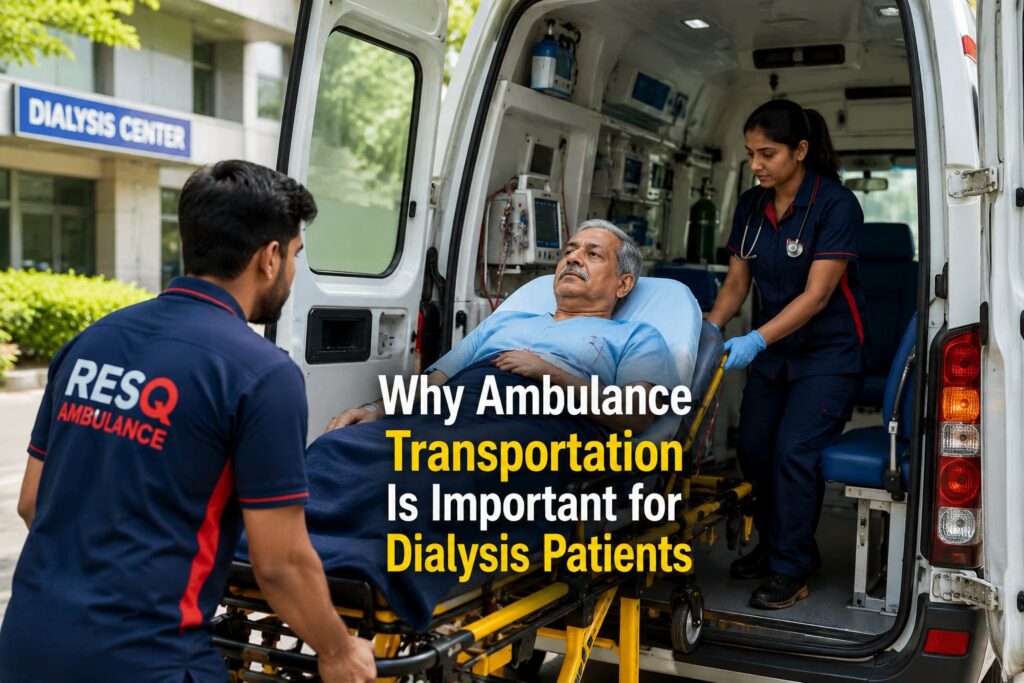
Dialysis is an essential treatment for people with advanced kidney disease. Many patients need to visit a dialysis center several times each week, making safe and reliable transportation an important part of their ongoing healthcare.
For some patients, traveling in a regular car can be difficult or unsafe. Elderly patients, bedridden individuals, people with limited mobility, and those who experience weakness after dialysis may require additional assistance during transportation.
A professional ambulance provides a medically appropriate option for patients who need stretcher transportation, wheelchair assistance, oxygen support, or monitoring during their journey.
Why Dialysis Patients May Need an Ambulance
Dialysis can leave some patients feeling tired or physically weak. Some may also experience dizziness, low blood pressure, nausea, or other symptoms after treatment.
An ambulance can be particularly useful for patients who:
- Cannot walk independently
- Require a stretcher
- Use a wheelchair
- Need oxygen support
- Have multiple medical conditions
- Become weak after dialysis
- Require medical supervision during transportation
For patients who need dependable ambulance service in zirakpur, RESQ Ambulance provides professional patient transportation options for dialysis and other medical appointments.
Transportation Before Dialysis
Patients may need transportation from their home to a dialysis center.
Professional ambulance staff can assist with:
- Moving the patient from bed to stretcher
- Wheelchair transfers
- Safe entry into the ambulance
- Comfortable positioning
- Transportation to the treatment center
This is particularly helpful for patients with limited mobility.
Transportation After Dialysis
The journey home after dialysis can be challenging for some patients.
Patients may feel tired or weak after treatment and may not be comfortable sitting in a private car.
A professional ambulance provides a secure environment where the patient can remain comfortably positioned during transportation.
If you are searching for dependable ambulance service chandigarh, professional medical transportation can provide additional support for patients who have difficulty traveling after treatment.
Safe Stretcher Transportation
Some dialysis patients are bedridden or unable to sit for extended periods.
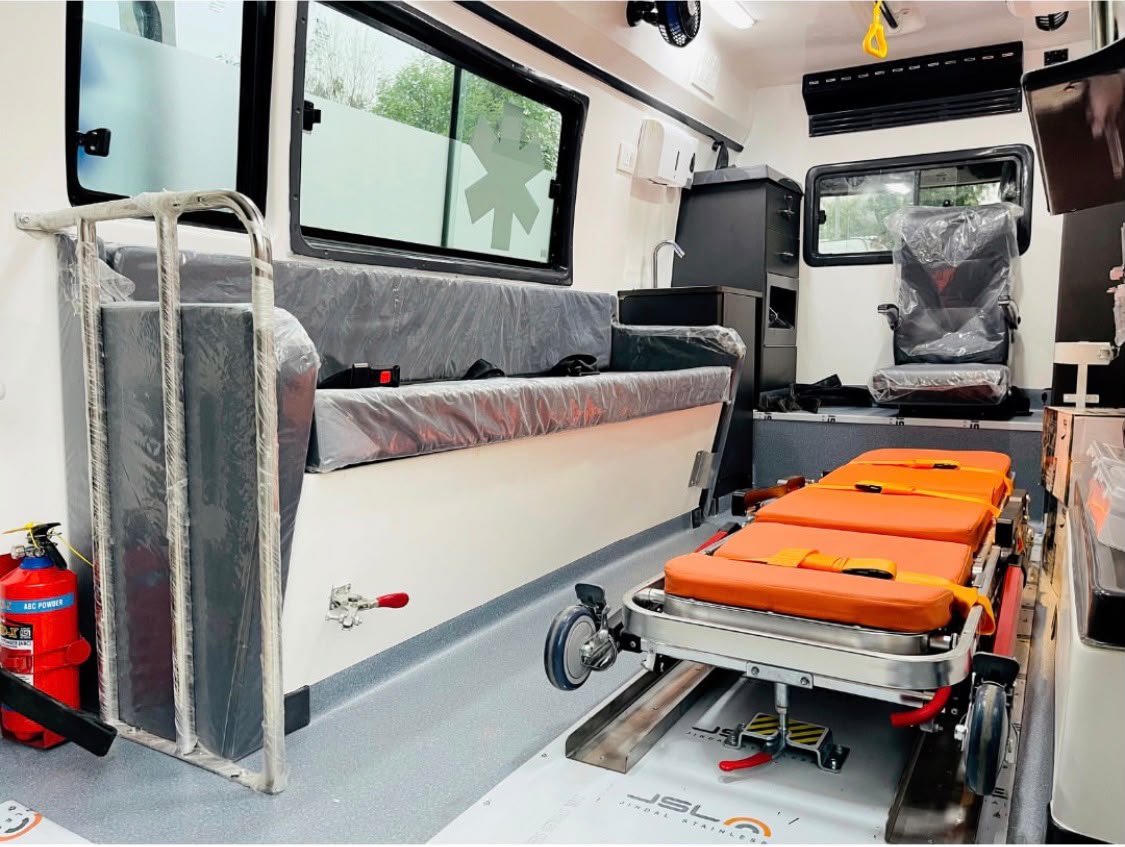
In these situations, a stretcher ambulance can provide safer transportation.
Trained ambulance personnel can help transfer the patient between:
- Bed and stretcher
- Stretcher and dialysis center
- Stretcher and home
Proper handling reduces the risk of falls and unnecessary physical strain.
Wheelchair Transportation for Dialysis Patients
Patients who can sit but cannot walk independently may benefit from wheelchair assistance.
Professional ambulance teams can help patients safely move between their home, ambulance, and treatment facility.
This makes regular dialysis visits easier for both patients and caregivers.
Oxygen Support During Transportation
Some dialysis patients may also have heart or respiratory conditions that require oxygen.
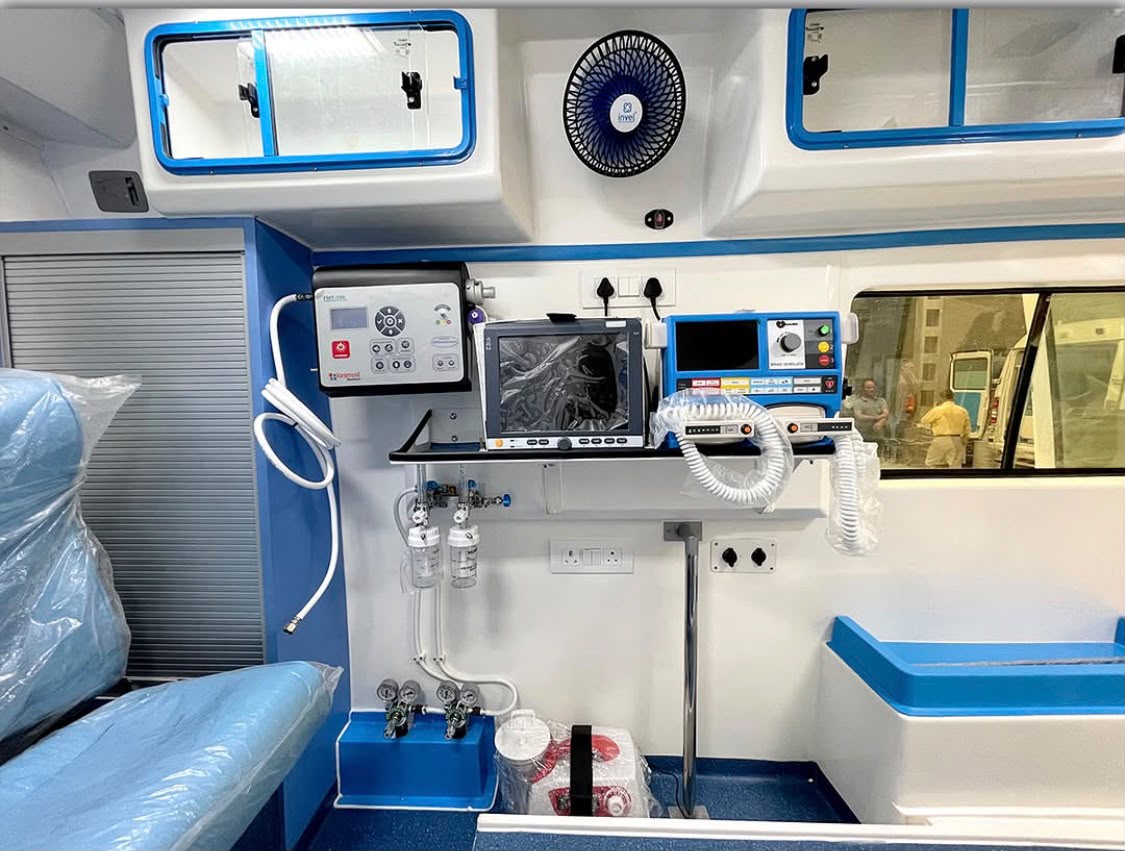
An oxygen-equipped ambulance can provide supplemental oxygen during transportation when medically required.
If you want to understand more about oxygen-supported medical transportation, read Why Oxygen Ambulances Are Essential During Medical Emergencies.
Medical Monitoring During the Journey
Patients with multiple health conditions may benefit from basic monitoring during transportation.
Depending on the ambulance and patient’s requirements, medical staff may monitor:
- Blood pressure
- Heart rate
- Oxygen saturation
- General condition
If the patient’s condition changes during transportation, trained staff can respond appropriately.
Why Private Cars May Not Be Suitable
A private car may work for patients who are fully mobile and medically stable. However, it may not be suitable for patients who require additional medical assistance.
A private vehicle generally does not provide:
- Medical oxygen
- Stretcher facilities
- Professional patient handling
- Medical monitoring
- Emergency equipment
For patients with significant mobility or medical needs, an ambulance can provide a safer alternative.
Ambulance Transportation for Elderly Dialysis Patients
Many dialysis patients are older adults who may have additional health conditions.
They may experience:
- Reduced strength
- Balance problems
- Arthritis
- Heart disease
- Diabetes
- Breathing difficulties
Professional ambulance transportation can reduce the physical effort required to travel to and from dialysis.
Our article How Ambulance Services Help Senior Citizens Travel Safely explains more about safe transportation for elderly patients.
Regular Dialysis Transportation
Dialysis is often a recurring treatment rather than a one-time hospital visit.
Patients may therefore need a dependable transportation arrangement that supports their regular treatment schedule.
Families should consider:
- Patient mobility
- Required ambulance type
- Distance to the dialysis center
- Oxygen requirements
- Stretcher or wheelchair needs
Planning transportation in advance can reduce stress on both patients and caregivers.
Hospital Transfers for Kidney Patients
Some kidney patients may need to move between hospitals for specialized treatment or further evaluation.
In such situations, the ambulance should be selected according to the patient’s medical condition.
Patients requiring intensive monitoring may need a higher level of ambulance support.
For critically ill patients, our articles How ICU Ambulances Provide Critical Care During Patient Transport and Understanding Ventilator Ambulances: When Are They Needed? provide additional information.
Transportation Near Major Hospitals
Dialysis and kidney patients may sometimes need appointments or treatment at major hospitals.
Families arranging transportation to PGI can explore our Ambulance Service Near PGI Chandigarh service page.
For patients traveling to GMCH Sector 32, our Ambulance Service Near GMCH Sector 32 Chandigarh page can provide information about ambulance transportation options near the hospital.
Preparing a Dialysis Patient for Ambulance Transportation
Before the ambulance arrives, families should prepare:
- Medical records
- Current prescriptions
- Medication list
- Identification documents
- Doctor’s instructions
- Dialysis-related medical information
The ambulance team should also be informed about any special requirements before transportation begins.
For a detailed preparation checklist, read How to Prepare a Patient for Safe Ambulance Transportation.
What Families Should Tell the Ambulance Provider
When booking transportation, provide accurate information about:
- Patient’s age
- Mobility level
- Whether a stretcher is required
- Whether wheelchair assistance is needed
- Oxygen requirements
- Current medical condition
- Pickup location
- Destination
This allows the provider to arrange an appropriate ambulance.
Benefits of Professional Dialysis Transportation
Professional ambulance transportation can provide:
- Safe patient handling
- Stretcher transportation
- Wheelchair assistance
- Oxygen support when required
- Medical supervision
- Comfortable transportation
- Reduced physical strain
- Greater peace of mind for families
RESQ Ambulance also provides reliable ambulance service in mohali, trusted ambulance service panchkula, and prompt ambulance number in kharar for medical transportation across the Tricity region.
Related Articles
You may also find these RESQ Ambulance blogs helpful:
- How Ambulance Services Help Senior Citizens Travel Safely
- Why Oxygen Ambulances Are Essential During Medical Emergencies
- How to Prepare a Patient for Safe Ambulance Transportation
- How ICU Ambulances Provide Critical Care During Patient Transport
- Hospital Discharge Ambulance: When and Why You Need One
Frequently Asked Questions
Can dialysis patients travel by ambulance?
Yes. Patients who require medical assistance, stretcher transportation, wheelchair support, or oxygen may benefit from professional ambulance transportation.
Can an ambulance take a patient to a dialysis center?
Yes. Ambulances can transport patients from home to dialysis centers and return them home after treatment.
Is ambulance transportation useful after dialysis?
It can be particularly helpful for patients who feel weak, dizzy, or tired after dialysis or who cannot safely travel in a private vehicle.
Can bedridden dialysis patients use an ambulance?
Yes. Stretcher-equipped ambulances can safely transport bedridden patients with assistance from trained staff.
Can oxygen be provided during transportation?
Oxygen-equipped ambulances can provide supplemental oxygen when medically required.
Conclusion
Regular dialysis is an important part of treatment for many kidney patients, and safe transportation plays an equally important role in maintaining access to that treatment.
For patients who have limited mobility, feel weak after dialysis, require oxygen, or need stretcher transportation, a professional ambulance can provide a safer and more comfortable alternative to a private vehicle.
By choosing appropriate medical transportation and preparing the necessary documents and information in advance, families can make regular dialysis journeys easier and less stressful.