
Medical emergencies often happen without warning, leaving people confused about whether they should call an ambulance or arrange private transportation. In many cases, delaying emergency medical care can make a serious condition much worse. Knowing the warning signs that require immediate ambulance assistance can help save lives and reduce the risk of long-term complications.
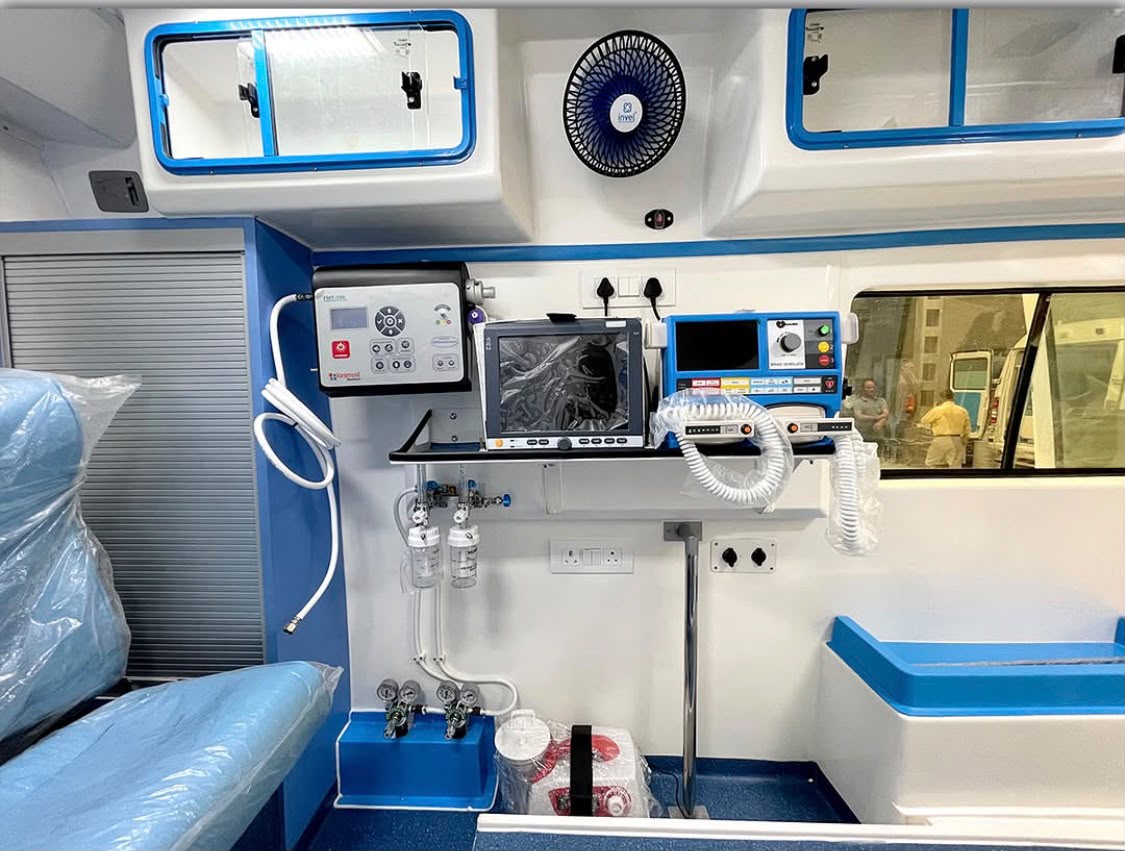
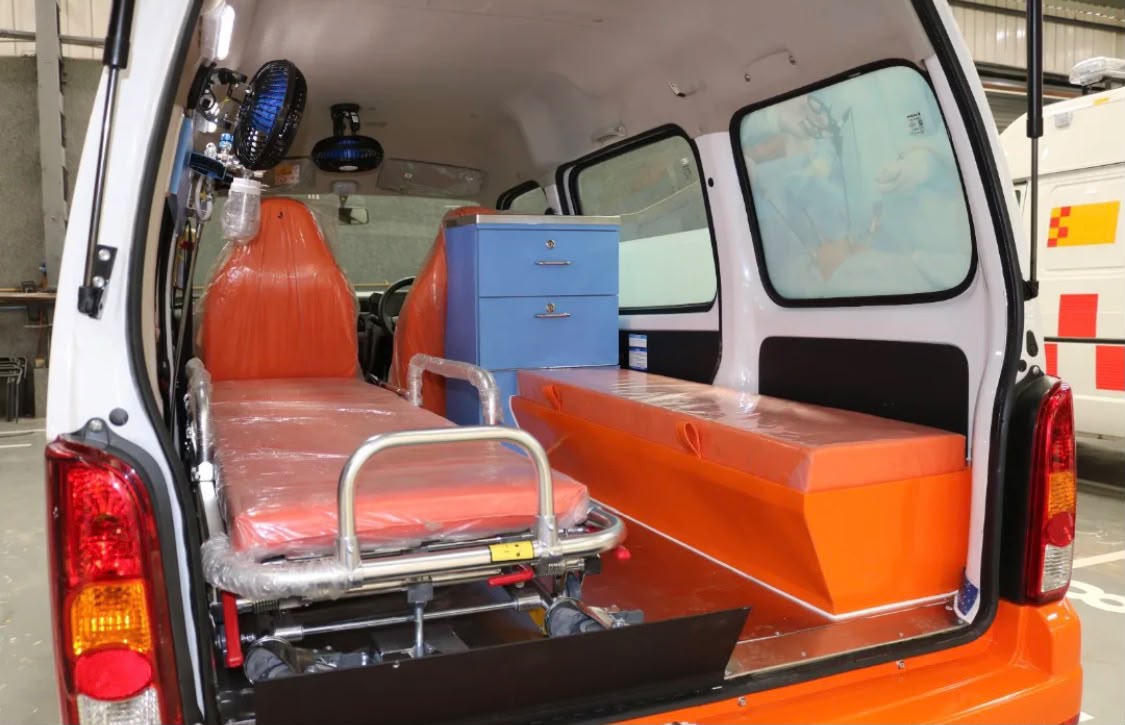
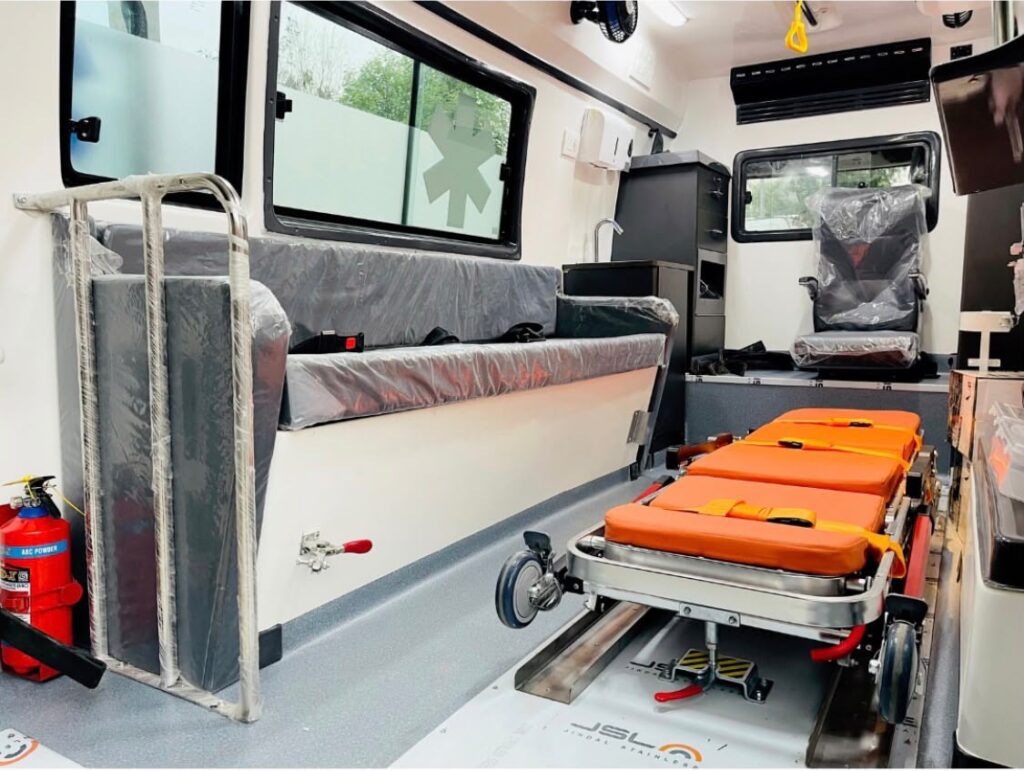
An ambulance is more than just a vehicle to transport patients. It is a mobile medical unit equipped with life-saving equipment, oxygen support, cardiac monitors, and trained paramedics who begin treatment before reaching the hospital.
In this guide, we’ll explain the most common situations when you should never delay calling an ambulance.
Severe Chest Pain
Chest pain should always be taken seriously, especially if it lasts more than a few minutes or comes with other symptoms.
Watch for signs such as:
- Pain spreading to the left arm, shoulder, neck, or jaw
- Difficulty breathing
- Cold sweats
- Nausea or vomiting
- Dizziness
- Sudden weakness
These may indicate a heart attack. Immediate medical treatment can significantly improve the patient’s chances of recovery.
If you require urgent medical transportation, RESQ Ambulance provides dependable ambulance zirakpur services with trained emergency professionals available 24×7.
Difficulty Breathing
Breathing problems can quickly become life-threatening.
Call an ambulance immediately if someone:
- Cannot breathe properly
- Has severe asthma symptoms
- Is gasping for air
- Develops blue lips or fingertips
- Experiences swelling of the throat due to an allergic reaction
Early oxygen support and continuous monitoring can prevent the condition from becoming critical.
Stroke Symptoms
A stroke is a medical emergency where every minute counts.
Remember the FAST method:
F – Face: One side of the face droops.
A – Arms: One arm feels weak or numb.
S – Speech: Speech becomes slurred or difficult.
T – Time: Call an ambulance immediately.
Other symptoms include:
- Sudden confusion
- Difficulty walking
- Vision problems
- Severe headache
- Loss of balance
Prompt medical treatment greatly increases the chances of recovery.
Serious Road Accidents
People involved in road accidents may suffer internal injuries that are not immediately visible.
Call an ambulance if the victim has:
- Heavy bleeding
- Broken bones
- Head injuries
- Neck or back pain
- Difficulty breathing
- Loss of consciousness
Avoid moving the patient unless there is immediate danger, as improper movement can worsen spinal injuries.
Loss of Consciousness
A person who suddenly becomes unconscious needs immediate medical evaluation.
Possible causes include:
- Heart attack
- Stroke
- Low blood sugar
- Brain injury
- Poisoning
- Severe infection
Place the patient in the recovery position if they are breathing normally and wait for emergency responders.
Heavy Bleeding
Severe blood loss can become fatal within minutes.
Until the ambulance arrives:
- Apply firm pressure using a clean cloth.
- Raise the injured limb if possible.
- Do not remove objects stuck inside the wound.
Professional ambulance teams can control bleeding while transporting the patient safely.
Seizures
Call an ambulance if:
- A seizure lasts longer than five minutes.
- Multiple seizures occur without recovery.
- The patient is injured during the seizure.
- It is the person’s first seizure.
Never place anything inside the patient’s mouth.
Serious Burns
Emergency medical treatment is necessary for:
- Electrical burns
- Chemical burns
- Burns covering large areas
- Burns involving the face or chest
- Burns causing breathing difficulties
Cover the burn with a clean cloth and avoid applying home remedies.
Major Bone Fractures
Broken bones require professional handling to prevent additional injury.
Signs include:
- Severe pain
- Swelling
- Deformity
- Inability to move the affected limb
Patients should be transported safely using appropriate immobilization equipment.
If you’re looking for a trusted chandigarh ambulance, RESQ Ambulance provides safe patient transportation with trained medical staff and advanced emergency equipment.
Pregnancy Emergencies
Pregnant women should seek emergency medical help immediately if they experience:
- Heavy bleeding
- Severe abdominal pain
- Loss of consciousness
- Premature labor
- High blood pressure symptoms
- Reduced fetal movement
Timely transportation to a healthcare facility protects both the mother and baby.
Severe Allergic Reactions
A severe allergic reaction can become life-threatening within minutes.
Symptoms include:
- Swelling of the face or throat
- Difficulty breathing
- Skin rash
- Rapid heartbeat
- Dizziness
Immediate emergency care is essential.
Poisoning or Drug Overdose
Emergency medical assistance is required if someone has:
- Consumed poisonous substances
- Taken an overdose of medication
- Inhaled toxic chemicals
- Lost consciousness after consuming unknown substances
Do not induce vomiting unless instructed by a medical professional.
Why Professional Ambulance Services Matter
Professional ambulances are equipped to provide medical care during transportation.
They typically include:
- Oxygen support systems
- Cardiac monitors
- Defibrillators
- Emergency medicines
- Suction equipment
- Trained paramedics
- Safe patient transfer equipment
These facilities allow treatment to begin immediately, improving patient outcomes before reaching the hospital.
RESQ Ambulance also provides dependable Mohali ambulance, fast ambulance service in panchkula, and reliable ambulance service in kharar to ensure patients receive timely emergency medical transportation across the Tricity region.
What You Should Do While Waiting
After calling an ambulance:
- Stay calm.
- Keep the patient comfortable.
- Unlock the entrance or gate.
- Gather medical records and medications.
- Clear the route for emergency responders.
- Follow instructions provided by the emergency operator.
Avoid giving food or water unless advised by medical professionals.
Why Every Minute Matters
Medical emergencies such as heart attacks, strokes, and severe injuries require immediate treatment. Delaying medical care increases the risk of permanent damage and reduces the chances of recovery.
Professional ambulance teams can stabilize patients, administer oxygen, monitor vital signs, and provide emergency care while transporting them to the nearest appropriate hospital.
Frequently Asked Questions
When should I call an ambulance instead of driving to the hospital?
You should call an ambulance for chest pain, breathing problems, strokes, major accidents, unconsciousness, severe bleeding, seizures, and other life-threatening emergencies because medical treatment begins during transport.
Is chest pain always an emergency?
Chest pain should never be ignored, especially when accompanied by breathing difficulty, sweating, or pain spreading to the arm or jaw.
Can ambulance staff provide treatment before reaching the hospital?
Yes. Ambulance teams provide oxygen therapy, cardiac monitoring, emergency medications, and other life-saving care during transportation.
Should I move someone who has been in a road accident?
No. Unless there is immediate danger, avoid moving accident victims because they may have spinal or neck injuries.
Why is fast ambulance response important?
Quick medical intervention improves survival rates, reduces complications, and increases the chances of successful treatment.
Conclusion
Recognizing the warning signs of a medical emergency and calling an ambulance without delay can save lives. Whether it’s chest pain, breathing difficulty, stroke symptoms, severe injuries, or pregnancy emergencies, professional medical transportation ensures patients receive immediate care on the way to the hospital.
RESQ Ambulance is committed to providing fast, safe, and reliable emergency medical transportation with trained paramedics and modern ambulances equipped to handle a wide range of medical emergencies.