
Medical emergencies can happen without warning. Whether someone experiences a heart attack, road accident, stroke, breathing difficulty, or sudden unconsciousness, the time between calling an ambulance and its arrival is critical. The actions taken during these few minutes can make a significant difference in the patient’s recovery and survival.
Many people panic during emergencies, but staying calm and following a few essential steps can help protect the patient until trained medical professionals arrive. This guide explains what you should do while waiting for an ambulance and the common mistakes you should avoid.
Why the First Few Minutes Are Important
Medical experts often refer to the first hour after a serious injury or illness as the Golden Hour. Receiving timely medical attention during this period greatly improves the chances of recovery and reduces the risk of complications.
While waiting for emergency medical services, your responsibility is not to replace professional treatment but to provide a safe environment and basic support until help arrives.
Call an Ambulance Without Delay
The first step is to contact a reliable ambulance service as soon as you recognize a medical emergency.
When speaking with the emergency operator:
- Explain what happened.
- Share the patient’s condition.
- Give your exact location and nearby landmarks.
- Mention if the patient is unconscious, bleeding, or having difficulty breathing.
- Stay on the call until instructed to disconnect.
If you need immediate medical transportation, RESQ Ambulance provides fast and dependable ambulance service in zirakpur with trained paramedics and fully equipped emergency vehicles.
Stay Calm and Reassure the Patient
Your behavior influences the patient and everyone around you. Remaining calm helps you think clearly and respond effectively.
Speak to the patient in a comforting voice and reassure them that medical help is on the way. Avoid shouting or allowing too many people to gather around, as this can increase stress and make it difficult for the patient to breathe comfortably.
Check the Patient’s Condition
Carefully observe the patient’s condition while waiting for the ambulance.
Check whether the patient is:
- Conscious or unconscious
- Breathing normally
- Bleeding heavily
- Responding to your voice
- Complaining of chest pain
- Having seizures
- Showing signs of a stroke, such as difficulty speaking or weakness on one side
This information will help the ambulance team provide immediate treatment upon arrival.
Provide Basic First Aid if You Know How
Basic first aid can stabilize the patient until professional medical care is available.
If There Is Heavy Bleeding
- Apply firm pressure using a clean cloth or bandage.
- Raise the injured limb if possible.
- Do not remove any object lodged in the wound.
If the Patient Has Burns
- Cool the affected area with clean running water.
- Cover the burn with a sterile dressing.
- Avoid applying toothpaste, butter, or other home remedies.
If the Patient Is Having Difficulty Breathing
- Help them sit in a comfortable position.
- Loosen tight clothing.
- Ensure fresh air is available.
If You Suspect a Heart Attack
- Help the patient sit upright.
- Encourage slow, calm breathing.
- Follow any instructions provided by the emergency operator.
Only perform CPR if you are trained or if you receive instructions from emergency services.
Avoid Moving Seriously Injured Patients
If you suspect injuries to the head, neck, spine, or legs, avoid moving the patient unless there is immediate danger, such as fire or collapsing structures.
Improper movement can worsen fractures or spinal injuries. Let trained ambulance professionals handle patient transportation safely.
Prepare Medical Information
While waiting, collect useful information that may help paramedics.
Keep the following ready:
- Current medications
- Medical history
- Known allergies
- Identification documents
- Previous medical reports, if available
Providing this information quickly allows emergency responders to begin appropriate treatment immediately.
Keep the Route Clear
Help the ambulance crew reach the patient as quickly as possible.
You can do this by:
- Unlocking the entrance gate.
- Keeping elevators available.
- Moving vehicles blocking access.
- Turning on outdoor lights if it is dark.
- Asking someone to wait outside and guide the ambulance.
Saving even a minute can be valuable during a medical emergency.
Keep the Patient Comfortable
If the patient is conscious:
- Encourage them to remain still.
- Keep them warm using a blanket if necessary.
- Continue talking to them calmly.
- Monitor any changes in their condition.
Do not allow the patient to walk unnecessarily or perform physical activity.
Never Give Food or Water
Avoid giving food, water, or medication to someone who is unconscious, vomiting, or experiencing severe chest pain unless advised by a medical professional.
This can increase the risk of choking or interfere with emergency treatment.
Common Mistakes to Avoid
Many people unintentionally make mistakes during emergencies.
Avoid these actions:
- Delaying the ambulance call
- Moving patients with possible spinal injuries
- Giving home remedies
- Crowding around the patient
- Panicking
- Driving critically ill patients in a private vehicle when an ambulance is available
Professional ambulances carry medical equipment and trained staff who can begin life-saving treatment before reaching the hospital.
Why Choosing a Professional Ambulance Service Matters
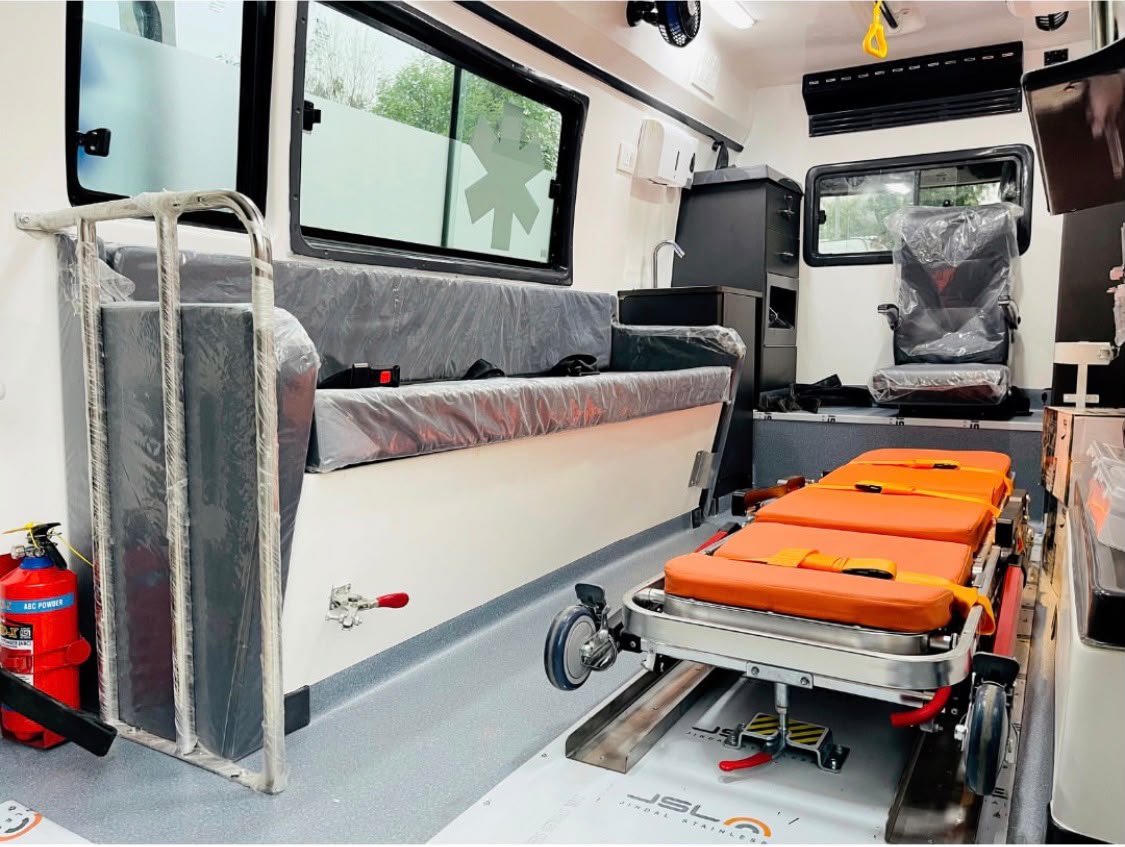
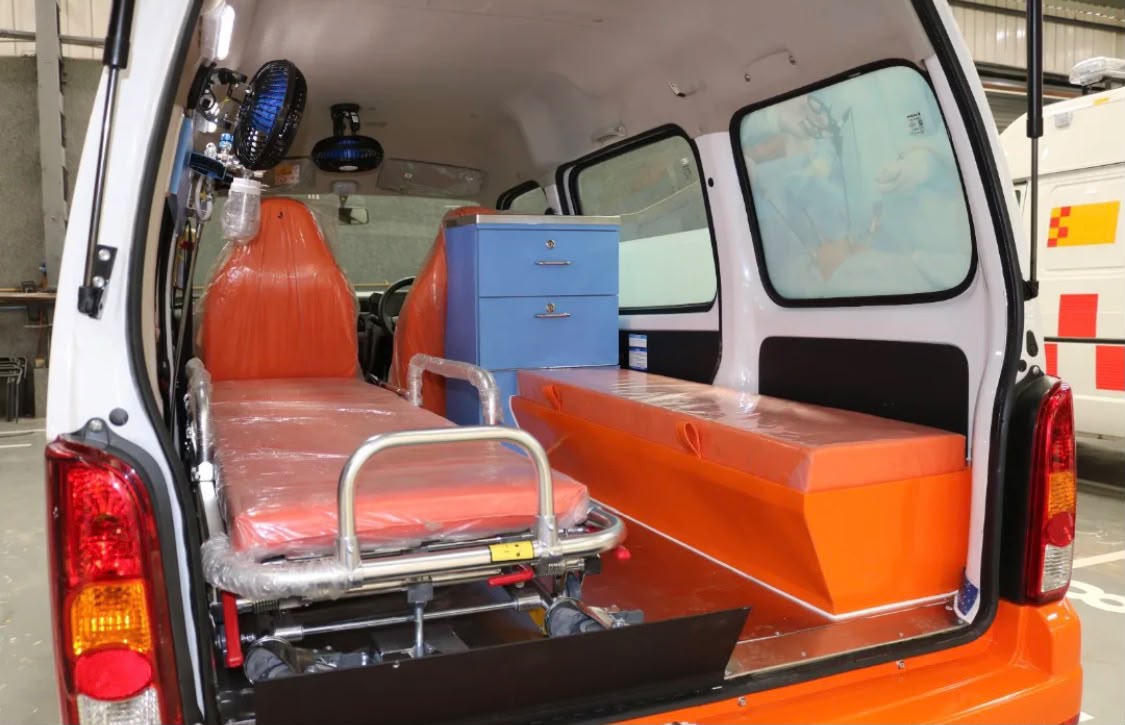
A modern ambulance is much more than a transport vehicle.
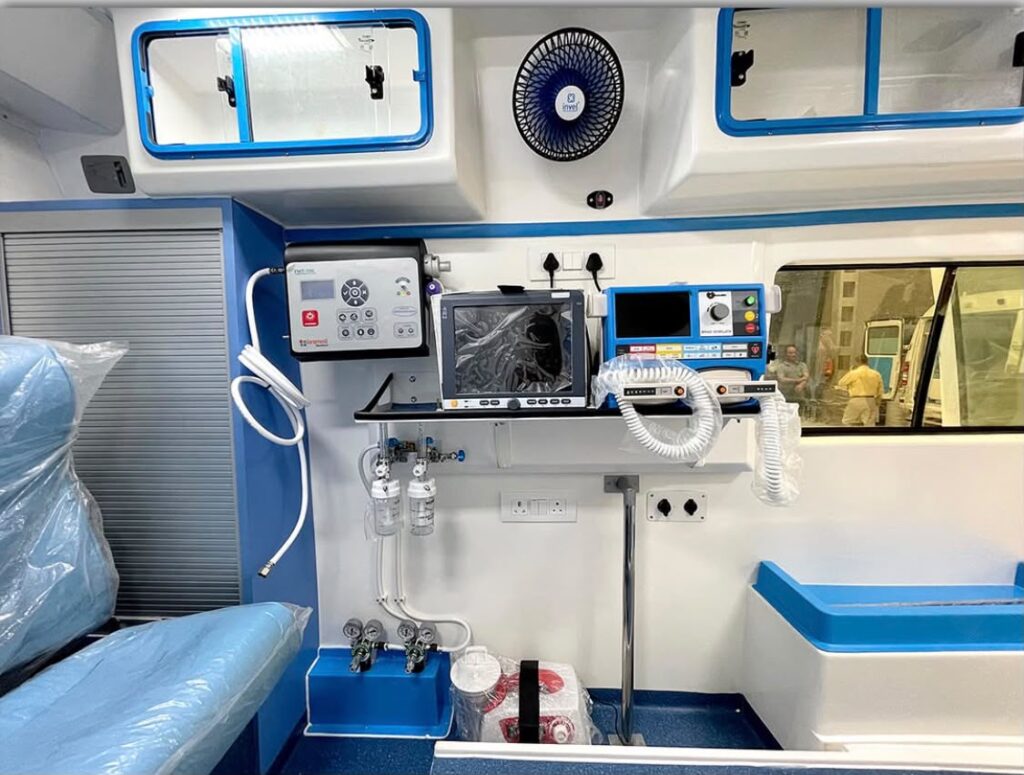
Professional ambulance services provide:
- Oxygen support
- Cardiac monitoring
- Defibrillators
- Suction machines
- Emergency medications
- Experienced paramedics
- Safe patient handling equipment
These facilities ensure that patients receive continuous medical care during transportation.
If you are searching for an ambulance number in Chandigarh, RESQ Ambulance offers quick emergency response throughout the region. We also provide dependable ambulance service Mohali, rapid ambulance Panchkula, and trusted ambulance Kharar services to ensure timely medical assistance across nearby locations.
When Should You Call an Ambulance?
Call an ambulance immediately if someone experiences:
- Severe chest pain
- Difficulty breathing
- Stroke symptoms
- Serious road accidents
- Heavy bleeding
- Loss of consciousness
- Seizures lasting several minutes
- Major fractures
- Pregnancy emergencies
- Poisoning or overdose
Never wait to see if the condition improves. Early medical intervention saves lives.
Frequently Asked Questions
How long does an ambulance usually take to arrive?
Response time depends on the location, traffic conditions, and emergency priority. Calling immediately helps reduce delays.
Should I move an unconscious patient?
No. Unless there is immediate danger, leave the patient in place and wait for trained medical professionals.
Can I drive a critically ill patient to the hospital myself?
In serious emergencies, an ambulance is the safer option because medical treatment begins during transport.
What information should I provide while calling an ambulance?
Share the patient’s condition, exact location, age, symptoms, and any important medical history if known.
Why is the Golden Hour important?
The Golden Hour is the critical period after a severe injury or illness when immediate medical care provides the best chance of recovery.
Conclusion
Knowing what to do while waiting for an ambulance can save valuable time and improve patient outcomes. Stay calm, call emergency services immediately, provide basic first aid if you are trained, avoid unnecessary movement, and prepare important medical information for the arriving medical team.
RESQ Ambulance is committed to providing fast, safe, and professional emergency medical transportation with experienced paramedics and well-equipped ambulances. Whether you need emergency response, ICU ambulance services, oxygen support, or patient transfer, our team is available to provide reliable assistance whenever you need it.