
When a medical emergency occurs, every second matters. Whether it is a road accident, heart attack, stroke, severe bleeding, or a serious injury, receiving immediate medical attention can make the difference between life and death. Healthcare professionals often refer to the first 60 minutes after a critical injury or illness as the Golden Hour because timely treatment during this period greatly improves the chances of survival and recovery.
Many people believe an ambulance is only meant to transport patients to the hospital. In reality, modern ambulances function as mobile emergency care units. Equipped with advanced medical equipment and staffed by trained paramedics, they begin life-saving treatment the moment they reach the patient.
This article explains why the Golden Hour is so important and how ambulance services play a vital role in protecting lives.
What Is the Golden Hour?
The Golden Hour is the critical period immediately following a serious injury or sudden medical emergency. During this time, quick medical intervention can reduce complications, prevent permanent organ damage, and improve the patient’s overall outcome.
Although the exact duration varies depending on the medical condition, the principle remains the same: the sooner professional medical care begins, the better the chances of recovery.
Conditions where the Golden Hour is especially important include:
- Heart attacks
- Strokes
- Road traffic accidents
- Severe bleeding
- Head injuries
- Spinal injuries
- Major burns
- Respiratory emergencies
Delaying treatment in these situations can significantly increase health risks.
Why Immediate Ambulance Response Matters
Emergency ambulance teams are trained to assess the patient’s condition within minutes of arrival. Their primary goal is to stabilize the patient before and during transportation to the hospital.
If you require immediate emergency medical assistance, RESQ Ambulance provides reliable Zirakpur ambulance services with trained paramedics and advanced emergency care equipment available 24×7.
Rapid ambulance response helps by:
- Beginning treatment at the scene
- Preventing the patient’s condition from worsening
- Monitoring vital signs continuously
- Communicating with the receiving hospital
- Ensuring safe transportation
Every minute saved allows doctors to begin advanced treatment sooner.
Medical Care Begins Before Reaching the Hospital
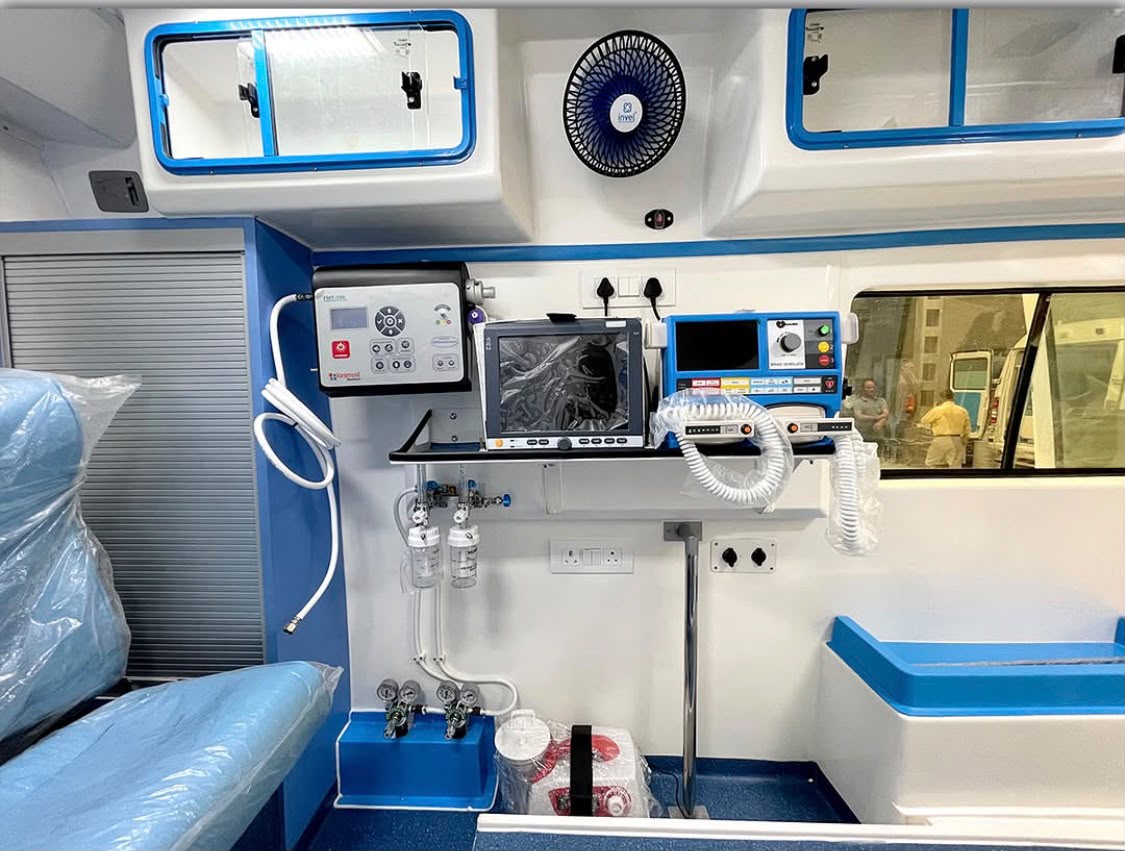
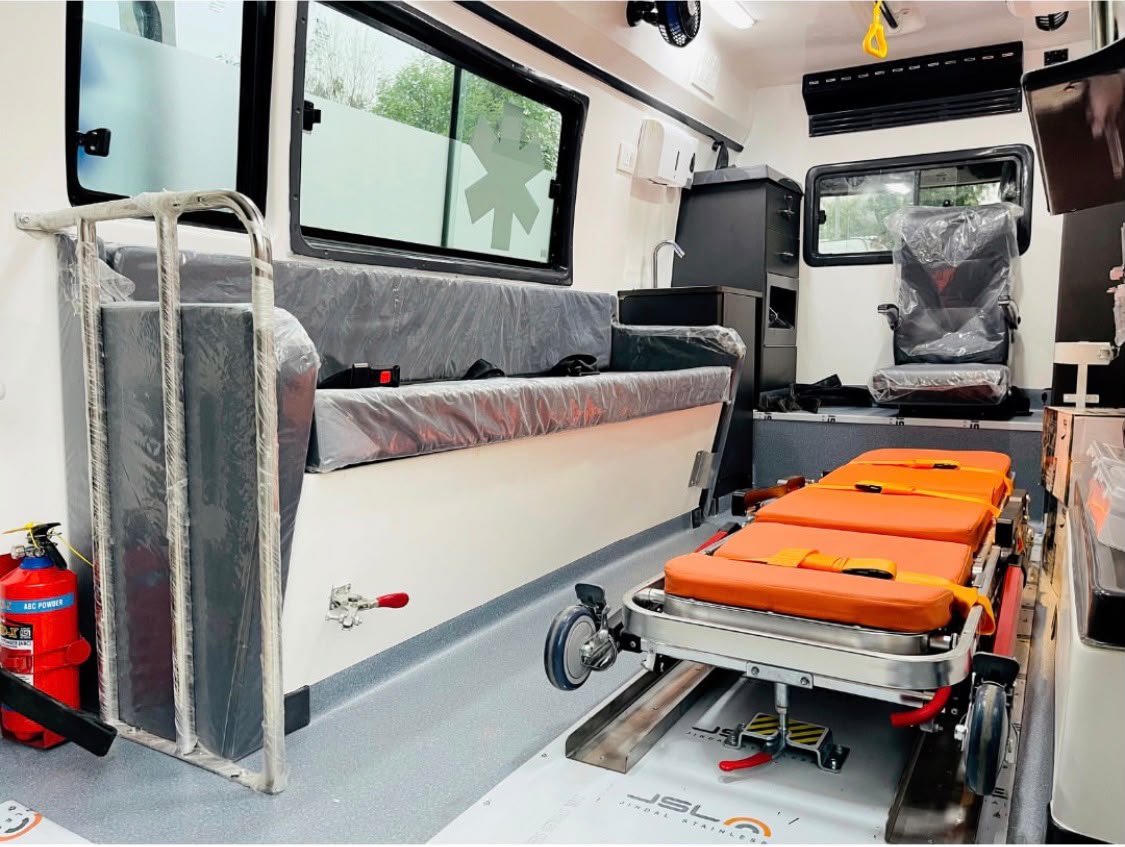
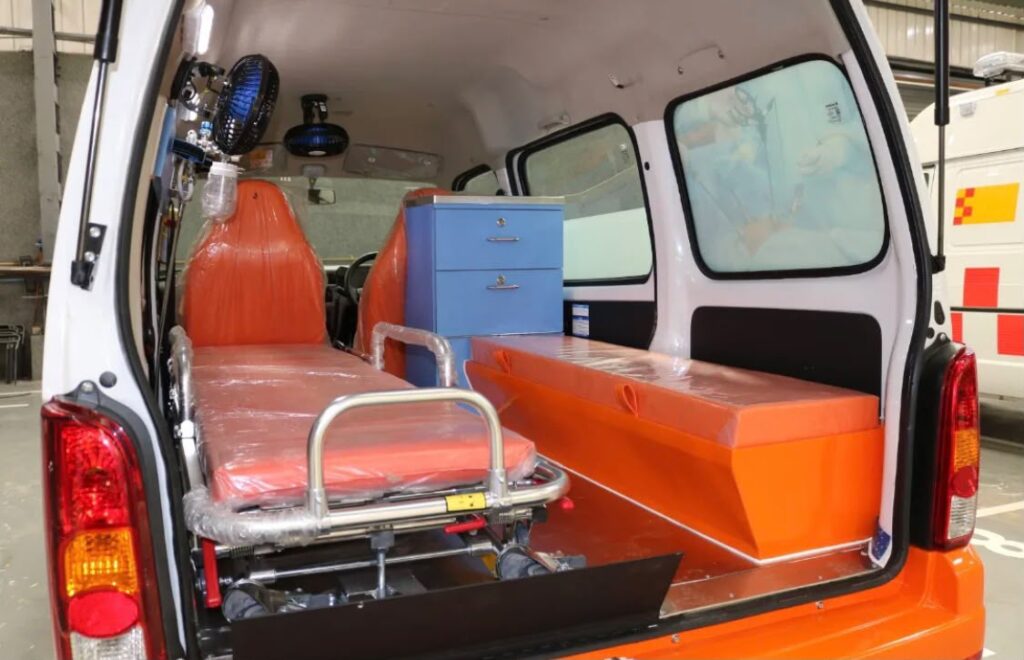
Professional ambulance services do much more than transport patients. Modern ambulances are equipped to provide emergency medical care throughout the journey.
Depending on the patient’s condition, paramedics may provide:
- Oxygen therapy
- Blood pressure monitoring
- Cardiac monitoring
- CPR when required
- Bleeding control
- Fracture immobilization
- Airway management
- Emergency medications
These interventions can significantly improve survival rates before the patient even reaches the emergency department.
The Importance of Oxygen Support
Many medical emergencies involve reduced oxygen supply to the body.
Patients suffering from:
- Heart attacks
- Asthma attacks
- Lung infections
- Severe allergic reactions
- Respiratory distress
may require immediate oxygen support.
Ambulances equipped with oxygen systems help maintain proper oxygen levels while transporting patients safely to the hospital.
How Ambulance Teams Handle Road Accident Victims
Road accidents often involve multiple injuries that are not immediately visible.
Professional ambulance teams first examine:
- Airway
- Breathing
- Blood circulation
- Head injuries
- Neck and spinal injuries
- Internal bleeding
Patients are carefully immobilized using stretchers, cervical collars, and spinal boards before transportation.
Attempting to move accident victims without proper training may worsen their injuries.
Heart Attack Emergencies
Heart attacks require immediate medical attention.
Common symptoms include:
- Chest pain
- Pain in the left arm
- Sweating
- Nausea
- Difficulty breathing
- Jaw or shoulder pain
Calling an ambulance allows emergency medical professionals to begin monitoring the patient’s heart and provide oxygen support during transport.
If you’re searching for a dependable ambulance service chandigarh, choosing a professional emergency ambulance ensures the patient receives medical care before reaching the hospital.
Why Stroke Patients Need Immediate Transportation
A stroke occurs when blood flow to the brain is interrupted.
Common warning signs include:
- Difficulty speaking
- Weakness on one side of the body
- Facial drooping
- Sudden confusion
- Loss of balance
Doctors often say, “Time is Brain,” because every minute without treatment results in damage to brain cells.
Fast ambulance transportation helps reduce delays and improves treatment outcomes.
Safe Transportation for Critically Ill Patients
Some patients require continuous monitoring while being transported.
Examples include:
- ICU patients
- Ventilator patients
- Patients with severe infections
- High-risk pregnancies
- Patients requiring oxygen support
Professional ambulance services ensure these patients receive uninterrupted medical attention throughout the journey.
Why Trained Paramedics Make a Difference
Ambulance professionals are trained to respond quickly and confidently during emergencies.
They know how to:
- Assess medical emergencies
- Perform CPR
- Control bleeding
- Stabilize fractures
- Manage airways
- Operate life-saving medical equipment
- Monitor vital signs
Their expertise allows patients to receive immediate medical care before arriving at the hospital.
Common Mistakes That Waste the Golden Hour
Many emergencies become more serious because people delay seeking professional medical help.
Common mistakes include:
- Waiting to see if symptoms improve
- Driving critically ill patients in private vehicles
- Ignoring chest pain
- Moving accident victims incorrectly
- Depending on home remedies
- Delaying emergency calls
Calling an ambulance immediately is always the safest decision during life-threatening emergencies.
Choosing a Reliable Ambulance Service
When selecting an ambulance provider, look for:
- 24×7 availability
- Experienced paramedics
- Oxygen-equipped ambulances
- ICU ambulance options
- Fast response time
- Clean and well-maintained vehicles
- Professional patient care
RESQ Ambulance also provides trusted ambulance service in mohali, dependable ambulance service panchkula, and prompt ambulance number in kharar support for emergency and non-emergency patient transportation across the region.
How Families Can Help Before the Ambulance Arrives
While waiting for emergency responders:
- Stay calm.
- Keep the patient comfortable.
- Avoid unnecessary movement.
- Gather medical records.
- Unlock gates or entrances.
- Keep the pathway clear.
- Follow instructions from emergency operators.
These simple actions help ambulance teams begin treatment without delay.
Frequently Asked Questions
What is the Golden Hour?
The Golden Hour refers to the first hour after a serious injury or medical emergency when immediate treatment provides the highest chance of recovery.
Why should I call an ambulance instead of driving?
Ambulances provide medical care during transportation, including oxygen support, cardiac monitoring, and emergency treatment.
Are all ambulances equipped with oxygen?
Professional emergency ambulances usually carry oxygen cylinders and other life-saving medical equipment.
What conditions require immediate ambulance assistance?
Heart attacks, strokes, severe breathing problems, road accidents, unconsciousness, major bleeding, seizures, and serious burns all require immediate emergency transportation.
Can ambulance staff provide first aid?
Yes. Trained paramedics provide emergency medical care, stabilize patients, and monitor their condition while transporting them to the hospital.
Conclusion
The Golden Hour is one of the most critical periods during any medical emergency. Receiving professional medical care as quickly as possible can significantly improve survival rates and reduce long-term complications.
Modern ambulance services are designed to do much more than transport patients. They provide emergency treatment, monitor vital signs, administer oxygen, and ensure safe transportation to the appropriate healthcare facility.
When every second counts, choosing a professional ambulance service can make all the difference.