
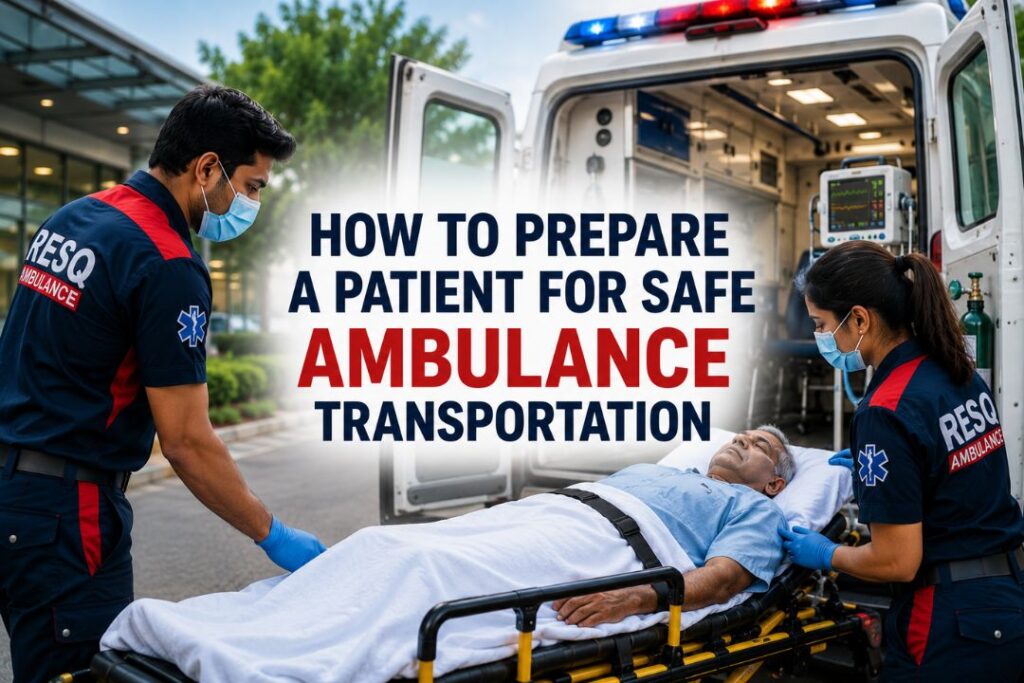
Preparing a patient for ambulance transportation is an important step that helps ensure safety, comfort, and uninterrupted medical care. Whether the patient is being transferred during an emergency, discharged from the hospital, or moved to another healthcare facility, proper preparation can make the journey smoother for both the patient and the medical team.
Professional ambulance services are designed to provide more than transportation. They offer trained paramedics, life-saving medical equipment, oxygen support, and continuous monitoring throughout the journey. Family members also play an important role by keeping essential documents ready and informing the ambulance team about the patient’s medical condition.
This guide explains how to prepare a patient for safe ambulance transportation and why these simple steps can improve the overall transfer experience.
Understand the Patient’s Medical Condition
Before booking an ambulance, make sure you understand the patient’s current health status. This helps the ambulance provider arrange the right vehicle and medical equipment.
Important information to share includes:
- Current diagnosis
- Existing medical conditions
- Recent surgery
- Allergies
- Ongoing medications
- Oxygen or ventilator requirements
If you need professional ambulance service in zirakpur, RESQ Ambulance provides fully equipped ambulances with experienced medical professionals for safe patient transportation.
Keep Medical Documents Ready
Having medical documents organized before the ambulance arrives saves valuable time.
Keep the following documents together:
- Hospital discharge summary
- Doctor’s prescription
- Medical reports
- Blood test reports
- X-rays, CT scans, or MRI reports
- Health insurance documents
- Identification proof
Providing these documents to the receiving hospital helps ensure a smooth admission process.
Inform the Ambulance Team About Special Medical Needs
Every patient has unique healthcare requirements.
Inform the ambulance provider if the patient requires:
- Oxygen support
- ICU ambulance
- Ventilator support
- Wheelchair assistance
- Stretcher transport
- Cardiac monitoring
Sharing this information in advance allows the ambulance team to arrive fully prepared.
Dress the Patient Comfortably
Comfortable clothing makes medical transportation easier.
Choose:
- Loose-fitting clothes
- Comfortable footwear (if applicable)
- Warm clothing during winter
- Lightweight clothing during summer
Avoid clothing that restricts movement or makes medical monitoring difficult.
Carry Essential Medicines
Always keep the patient’s medications nearby.
These may include:
- Daily prescription medicines
- Inhalers
- Insulin
- Emergency medications
- Medical devices
This ensures treatment continues without interruption during the journey.
Prepare the Home Entrance
Before the ambulance reaches your location:
- Unlock the main gate.
- Clear pathways.
- Keep elevators available.
- Turn on outdoor lights if it’s dark.
- Secure pets.
Easy access allows paramedics to move the patient safely and quickly.
Allow Trained Professionals to Move the Patient
Patients recovering from surgery, fractures, or serious illness should never be forced to walk unnecessarily.
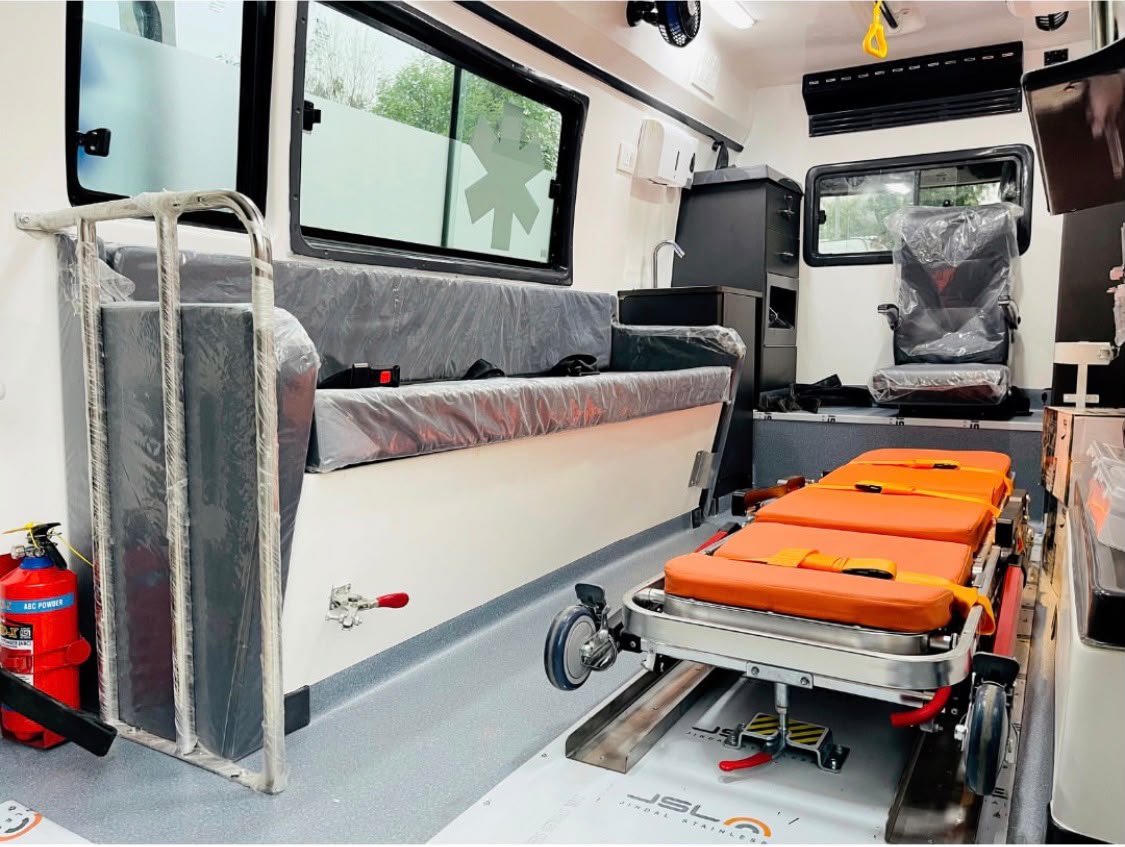
Professional ambulance teams use:
- Stretchers
- Wheelchairs
- Spine boards
- Patient lifting equipment
These tools reduce discomfort and prevent additional injuries.
If you’re looking for a dependable ambulance number in chandigarh, professional ambulance services provide safe patient handling throughout transportation.
Stay Calm and Reassure the Patient
Many patients become anxious before transportation.
Family members should:
- Speak calmly
- Explain the transfer process
- Avoid creating panic
- Stay positive and reassuring
A calm environment helps patients feel more relaxed during the journey.
Prepare for Long-Distance Transfers
If the patient is traveling to another city, carry:
- Mobile phone chargers
- Drinking water for attendants
- Extra clothing
- Personal hygiene items
- Medical prescriptions
Planning ahead makes long-distance ambulance transportation more comfortable.
Inform the Receiving Hospital
When transferring patients between hospitals, ensure the receiving facility has been informed.
This allows the medical team to:
- Reserve a bed
- Review medical records
- Arrange specialist care
- Reduce admission delays
Proper coordination ensures continuity of treatment.
Choose the Right Type of Ambulance
Different medical conditions require different ambulance services.
Common options include:
- Basic Life Support (BLS)
- Advanced Life Support (ALS)
- Oxygen Ambulance
- ICU Ambulance
- Ventilator Ambulance
If you’re unsure which ambulance is appropriate, consult your doctor or discuss the patient’s condition with the ambulance provider.
For more information, you can also read:
- How ICU Ambulances Provide Critical Care During Patient Transport
- Understanding Ventilator Ambulances: When Are They Needed?
- Why Oxygen Ambulances Are Essential During Medical Emergencies
Avoid Common Mistakes
To ensure safe transportation, avoid:
- Waiting until the last minute
- Forgetting medical documents
- Using a private vehicle for critically ill patients
- Hiding important medical information
- Allowing large crowds around the patient
Proper planning reduces stress for both patients and family members.
Why Professional Ambulance Transportation Is the Safest Choice
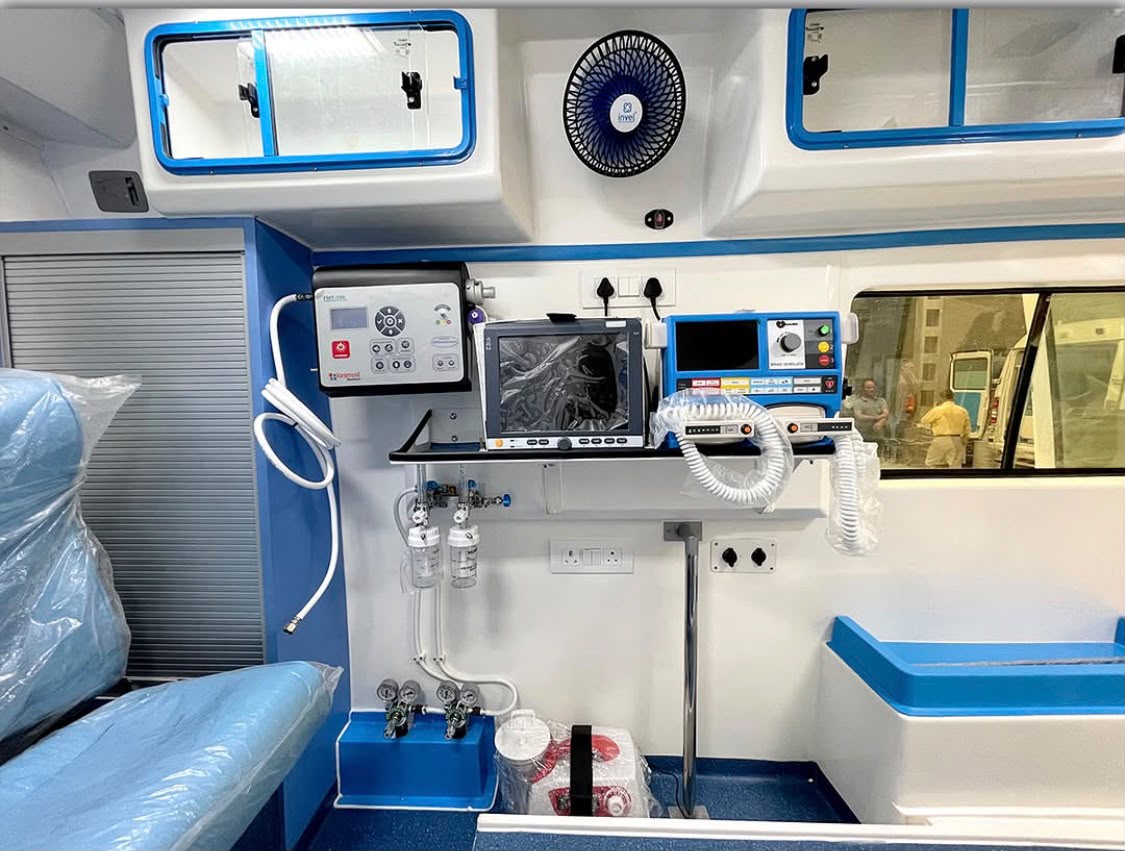
Professional ambulance services provide:
- Safe patient handling
- Continuous medical monitoring
- Oxygen support
- Emergency medical equipment
- Experienced paramedics
- Comfortable transportation
- Immediate medical assistance if needed
Unlike private vehicles, ambulances are equipped to manage medical emergencies throughout the journey.
RESQ Ambulance also provides trusted ambulance service mohali, reliable ambulance number in panchkula, and prompt ambulance service kharar for emergency, hospital discharge, ICU transfers, and long-distance patient transportation across the Tricity region.
Frequently Asked Questions
What should I prepare before an ambulance arrives?
Keep medical reports, prescriptions, identification documents, and current medications ready before the ambulance reaches your location.
Can a family member travel with the patient?
Yes. In most cases, one attendant can accompany the patient, depending on the ambulance type and available space.
How do I know which ambulance I need?
The patient’s medical condition determines whether a Basic, Oxygen, ICU, or Ventilator Ambulance is required. Always consult your doctor or ambulance provider.
Should I inform the ambulance team about oxygen requirements?
Yes. Always mention if the patient needs oxygen, a ventilator, or continuous medical monitoring before booking the ambulance.
Is professional ambulance transportation safer than using a private car?
Yes. Professional ambulances provide trained medical staff, emergency equipment, and continuous monitoring, making transportation much safer for patients with medical needs.
Conclusion
Preparing a patient before ambulance transportation helps ensure a safe, comfortable, and efficient journey. Organizing medical documents, informing the ambulance team about the patient’s condition, choosing the correct ambulance, and preparing the home for easy access all contribute to a smooth transfer.
Professional ambulance services provide continuous medical support from pickup to destination, ensuring patients receive the highest standard of care throughout the journey.