

Choosing an ambulance is not simply about finding the fastest vehicle available. Different patients have different medical and transportation needs, and selecting the right ambulance for patient transportation can help make the journey safer and more comfortable.
A patient who needs routine hospital transportation may require a different ambulance setup than someone who needs continuous medical monitoring, oxygen support, or critical-care assistance.
Understanding the available ambulance options can help families make a more informed decision when arranging transportation for a patient.
Why Choosing the Right Ambulance Matters
Patients can have very different medical conditions. Some may be able to sit comfortably, while others may need to remain on a stretcher throughout the journey.
For example, a patient recovering after surgery may need comfortable stretcher transportation, while a critically ill patient may require advanced monitoring and specialized equipment.
Before booking an ambulance, consider:
- The patient’s current medical condition
- Whether the patient can sit or needs to lie down
- Whether oxygen support is required
- Whether continuous monitoring is necessary
- Whether the patient is on a ventilator
- The distance of transportation
- Whether the transfer is between hospitals
- Whether medical staff or attendants are required
These factors can help determine which ambulance category is appropriate.
Stretcher Ambulance for Patients Who Cannot Walk
Patients who are unable to walk safely may require stretcher transportation.
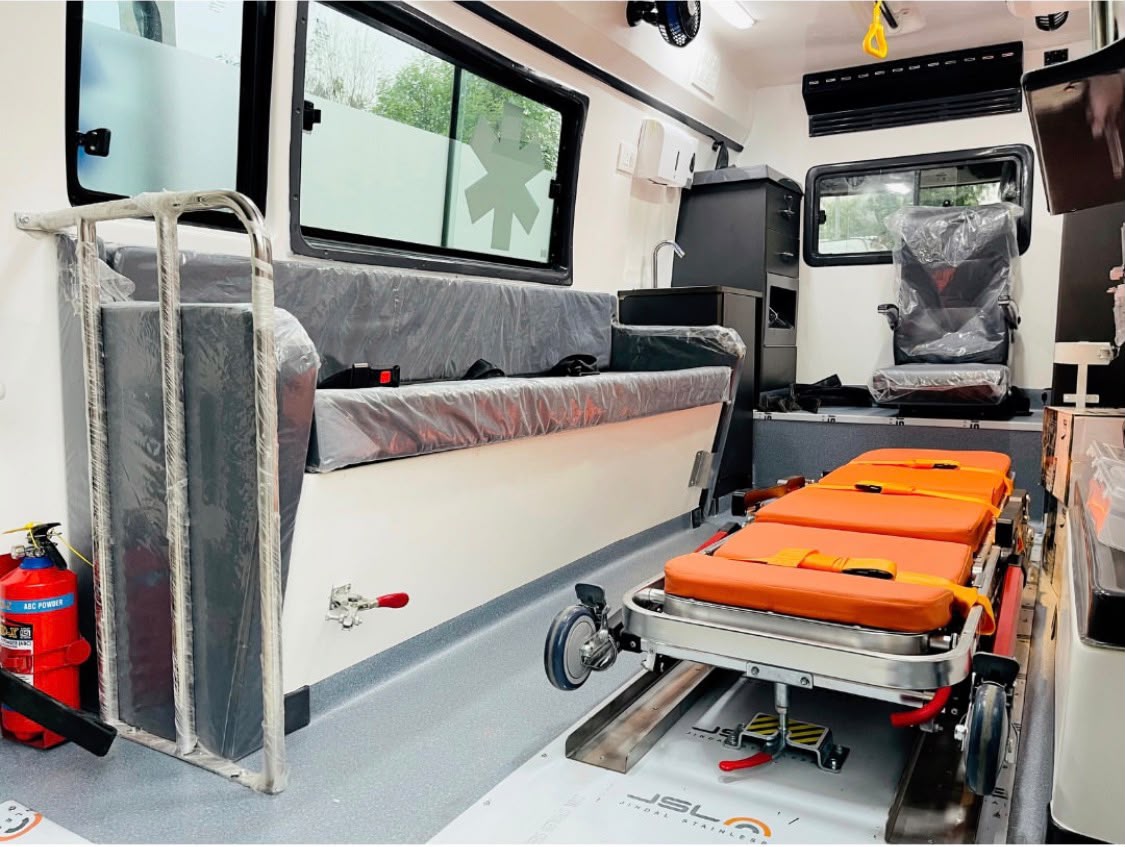
This can include patients recovering from surgery, people with significant weakness, elderly patients, or individuals with injuries that make normal vehicle transportation uncomfortable or unsafe.
A stretcher ambulance can provide a more suitable environment for transporting patients who need to remain lying down during the journey.
If you are arranging an ambulance zirakpur service for a patient who cannot comfortably sit, provide the ambulance provider with accurate information about the patient’s mobility and condition before booking.
Oxygen Ambulance for Patients Requiring Oxygen Support
Some patients require supplemental oxygen during transportation. In these situations, families should inform the ambulance provider before the vehicle arrives.
An oxygen-equipped ambulance may be suitable when a patient needs oxygen support during a hospital transfer, discharge, appointment, or other medically necessary journey.
Patients with respiratory difficulties or those who have been advised to continue oxygen therapy should not be transported in an unsuitable private vehicle simply because the destination is nearby.
The transportation provider should know the patient’s oxygen requirement in advance so the appropriate arrangement can be made.
ICU Ambulance for Critically Ill Patients
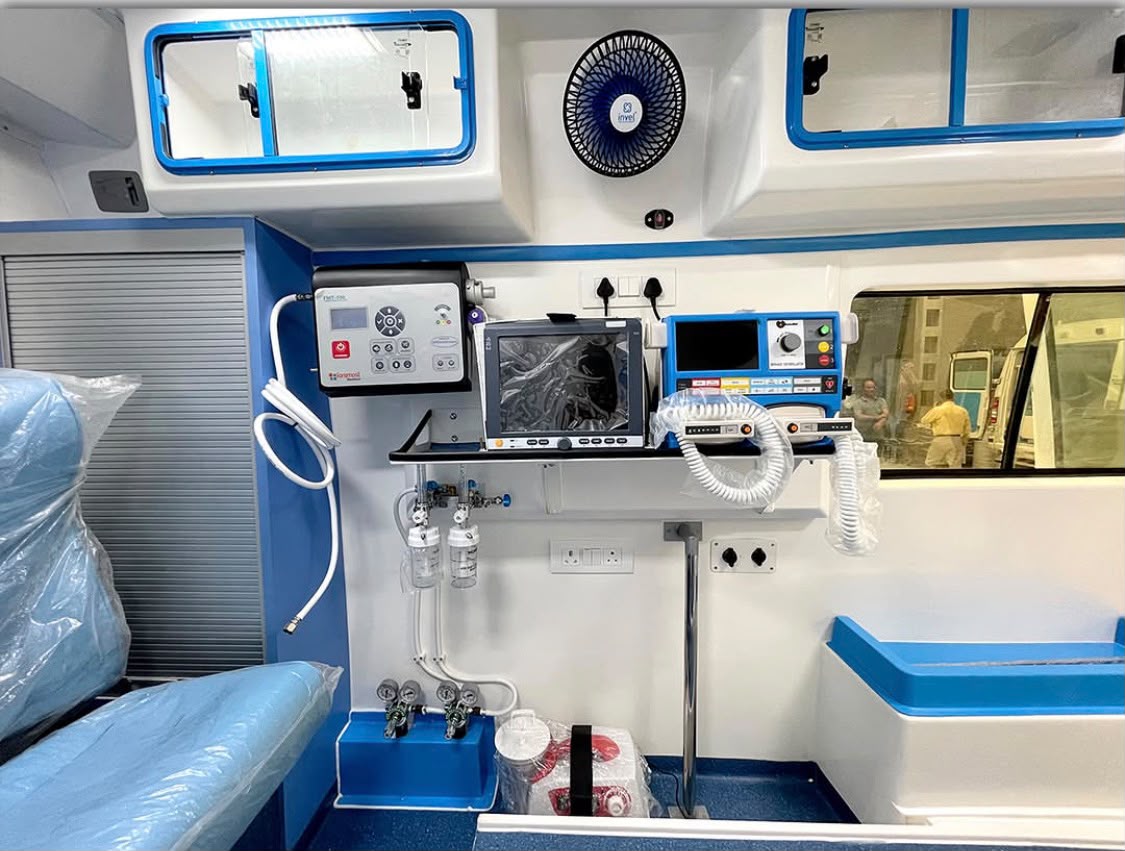
Critically ill patients may need more than basic transportation. They may require continuous observation, medical equipment, oxygen, or other forms of support during the journey.
An ICU ambulance is designed for situations where a higher level of medical support may be necessary during transportation, depending on the patient’s condition and the ambulance’s equipment.
Hospital-to-hospital transfers are one common situation in which this type of ambulance may be considered.
When arranging ambulance service mohali, for example, families should clearly explain the patient’s condition, current support requirements, and destination hospital so the provider can determine the appropriate ambulance type.
When Is a Ventilator Ambulance Required?
Patients who are dependent on mechanical ventilation require particularly careful transportation planning.
A ventilator ambulance may be appropriate when a patient needs ventilator support during the journey. Such transfers should be coordinated with the treating medical team and ambulance provider.
Before booking, provide information about:
- The patient’s current ventilator support
- Oxygen requirements
- Current medical condition
- Whether a doctor or trained medical professional needs to accompany the patient
- Pickup and destination hospitals
- Expected travel distance
This information allows the transportation provider to better understand the level of support required.
Ambulance for Hospital Discharge
Not every ambulance journey is an emergency.
Patients being discharged from a hospital may still be unable to travel safely in a regular car. This is particularly common after surgery, serious illness, fractures, prolonged hospitalization, or when the patient has limited mobility.
A discharge ambulance can provide stretcher or wheelchair transportation, depending on the patient’s needs.
For families arranging ambulance service in kharar, explaining whether the patient can sit, stand, or walk can help the provider recommend an appropriate transportation option.
Ambulance for Hospital-to-Hospital Transfers
Patients are sometimes transferred from one hospital to another for specialist consultation, advanced treatment, surgery, diagnostic procedures, or continued care.
The ambulance type should be selected according to the patient’s condition rather than simply the distance between hospitals.
For a stable patient, basic medical transportation may be sufficient. For a patient who requires ongoing monitoring or medical support, a more appropriately equipped ambulance may be needed.
For transfers involving major healthcare facilities, families can also explore Ambulance Service Near PGI Chandigarh when transportation to or from PGI is required.
Similarly, Ambulance Service Near GMCH Sector 32 Chandigarh can be useful when arranging patient transportation connected with GMCH Sector 32.
Emergency Ambulance vs. Planned Patient Transportation
The urgency of transportation is another important consideration.
Emergency Transportation
Emergency transportation may be needed when a patient has a sudden or potentially serious medical problem. In an emergency, contact appropriate emergency medical services and follow professional instructions.
The ambulance provider should be told the patient’s condition as clearly as possible.
Planned Transportation
Planned ambulance transportation may be required for:
- Hospital appointments
- Dialysis
- Hospital discharge
- Diagnostic tests
- Follow-up visits
- Rehabilitation
- Hospital-to-hospital transfers
- Long-distance patient transportation
Planning ahead can make it easier to arrange the appropriate vehicle and equipment.
Consider the Patient’s Mobility
Mobility is one of the simplest but most important factors when selecting an ambulance.
Ask:
Can the patient walk independently?
If yes, basic transportation may sometimes be appropriate depending on the medical situation.
Can the patient sit but cannot walk?
Wheelchair or assisted transportation may be more suitable.
Does the patient need to remain lying down?
A stretcher-equipped ambulance may be required.
Does the patient need continuous medical support?
A more specialized ambulance may be appropriate.
Always describe the patient’s actual condition rather than simply requesting a generic ambulance.
Long-Distance Patient Transportation Needs More Planning
Long-distance journeys require additional consideration because the patient may spend several hours in transit.
Before arranging transportation, discuss:
- Patient mobility
- Oxygen requirements
- Medication requirements
- Medical equipment
- Monitoring needs
- Number of attendants
- Pickup and destination details
- Estimated travel duration
If you need ambulance chandigarh transportation for a longer patient transfer, provide the complete journey details when making the booking.
For patients traveling from or through Panchkula, families searching for an ambulance number in panchkula should verify that the selected provider can accommodate the patient’s specific transportation requirements.
What Information Should You Give the Ambulance Provider?
When booking an ambulance, accurate information helps the provider understand the situation.
Try to provide:
- Patient’s age
- Current medical condition
- Whether the patient is conscious and responsive
- Whether the patient can walk or sit
- Whether a stretcher is required
- Whether oxygen is required
- Whether the patient is on a ventilator
- Pickup location
- Destination hospital or residence
- Any special transportation requirements
Avoid giving incomplete information simply to get a vehicle dispatched faster. The ambulance type should match the patient’s actual needs.
Why a Private Car May Not Always Be Suitable
A private car can be convenient for healthy passengers, but it may not be appropriate for patients who need to remain on a stretcher, require oxygen, or need medical observation during transportation.
A patient may also experience discomfort when getting into or out of a car, particularly after surgery or during serious illness.
Professional patient transportation can provide a more suitable environment and may reduce the physical difficulty associated with moving a patient.
How RESQ Ambulance Can Help
RESQ Ambulance provides patient transportation solutions for different medical and non-emergency transportation requirements.
Depending on the patient’s condition and availability, ambulance transportation may be arranged for:
- Emergency transportation
- Hospital discharge
- Hospital-to-hospital transfers
- Stretcher transportation
- Oxygen-supported transportation
- ICU-level transportation
- Ventilator-supported transportation
- Long-distance patient transfers
- Routine medical appointments
When calling, clearly explain the patient’s condition so the appropriate transportation arrangement can be discussed.
Related Ambulance Transportation Topics
Choosing an ambulance is only one part of safe patient transportation. Families can also learn more from our previous guides on How to Prepare a Patient for Safe Ambulance Transportation, How Ambulance Services Support Patients During Long-Distance Transfers, and Why Ambulance Transportation Is Important for Dialysis Patients.
For critically ill patients, How ICU Ambulances Provide Critical Care During Patient Transport explains why specialized ambulance transportation may be necessary. Patients who require respiratory support can also benefit from reading Understanding Ventilator Ambulances: When Are They Needed?
Frequently Asked Questions
1. How do I choose the right ambulance for a patient?
Consider the patient’s medical condition, mobility, oxygen requirements, need for monitoring, ventilator support, travel distance, and whether the journey is an emergency or planned transfer.
2. When is an ICU ambulance needed?
An ICU ambulance may be considered for critically ill patients who require a higher level of medical support or continuous monitoring during transportation.
3. Can an ambulance be used for hospital discharge?
Yes. Ambulances can be used for planned hospital discharge when a patient cannot safely or comfortably travel in a regular vehicle.
4. Do dialysis patients need an ambulance?
Some dialysis patients may benefit from ambulance transportation, particularly when they have limited mobility, weakness, require a stretcher, or need medical support during transportation.
5. What information should I provide when booking an ambulance?
Provide the patient’s age and condition, mobility status, oxygen or ventilator requirements, pickup location, destination, and any special transportation needs.
6. Is an ambulance necessary for every hospital transfer?
No. The appropriate transportation depends on the patient’s medical condition and mobility. A healthcare professional or ambulance provider can help determine the appropriate level of transportation.
Conclusion
The right ambulance should be selected according to the patient’s medical condition and transportation requirements, not simply based on availability or distance.
Whether a patient needs stretcher transportation, oxygen support, ICU-level care, ventilator support, hospital discharge transportation, or a planned hospital transfer, providing accurate information at the time of booking can help ensure that the transportation arrangement is appropriate.
For professional patient transportation across the Tricity region, contact RESQ Ambulance at 78141-37719 for assistance with arranging suitable ambulance transportation.