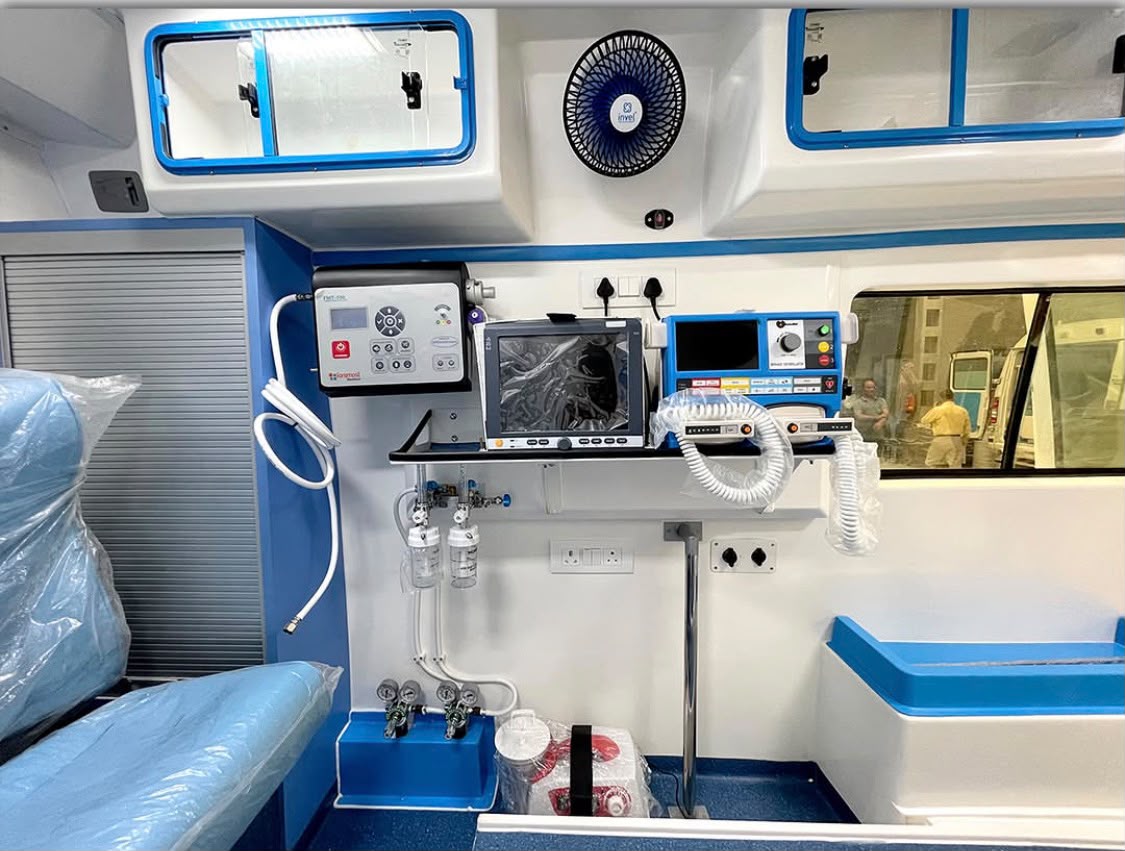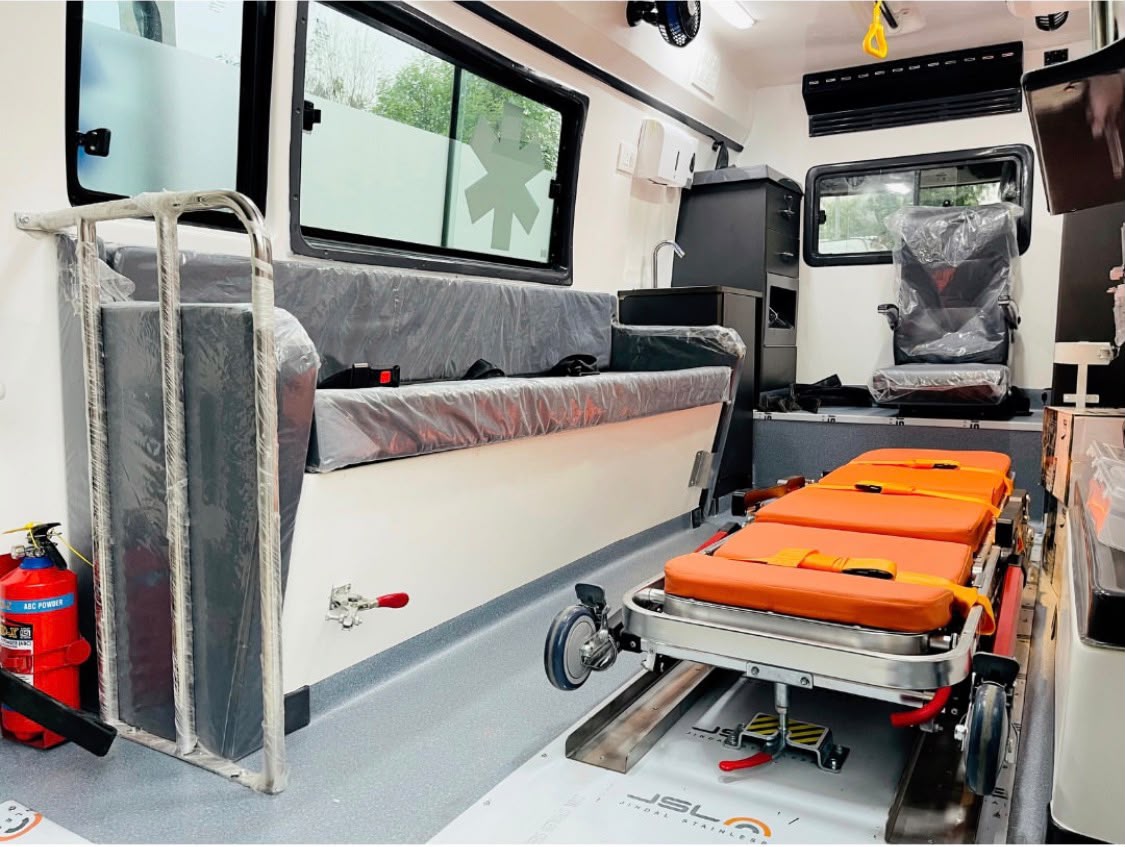


When a patient needs transportation, choosing an ambulance should involve more than simply finding the nearest available vehicle. The patient’s medical condition, mobility, equipment requirements, journey distance, and destination all need to be considered.
Knowing how to choose an ambulance service can help families arrange transportation that is appropriate for the patient’s needs and avoid unnecessary difficulties during the journey.
Whether the transportation is required for an emergency, hospital discharge, dialysis, a medical appointment, or an inter-hospital transfer, a few important details should be checked before booking.
1. Understand the Patient’s Medical Condition
The first thing to consider is the patient’s current condition.
A patient who is stable and able to sit may have different transportation requirements from someone who needs to remain on a stretcher or requires medical monitoring.
Before making an ambulance booking, note whether the patient:
- Can walk independently
- Can sit comfortably
- Needs wheelchair assistance
- Needs to remain on a stretcher
- Requires oxygen support
- Requires continuous monitoring
- Is receiving ventilator support
- Is recovering from surgery
- Needs hospital-to-hospital transfer
Providing accurate information helps the ambulance provider understand what type of transportation may be appropriate.
2. Choose the Appropriate Ambulance Type
Different situations can require different ambulance arrangements.
Basic Patient Transportation
Stable patients who mainly need assistance getting to a hospital, home, or appointment may require basic patient transportation.
Stretcher Ambulance
Patients who cannot sit or walk comfortably may need stretcher transportation.
Oxygen Ambulance
Patients who have been advised to use oxygen during transportation may require an ambulance equipped to provide oxygen support.
ICU Ambulance
Critically ill patients may require a higher level of medical support and monitoring during transportation.
Ventilator Ambulance
Patients dependent on mechanical ventilation need specialized transportation arrangements and appropriate medical support.
The ambulance provider should be informed about these requirements before dispatch.
3. Check Whether Medical Equipment Is Required
Medical equipment can be an important consideration when booking an ambulance.
Depending on the patient’s condition and ambulance type, transportation may involve equipment such as:
- Oxygen supply
- Patient monitor
- Stretcher
- Wheelchair
- Suction equipment
- Ventilator
- Other emergency or critical-care equipment
Not every ambulance has the same equipment. Therefore, families should explain the patient’s requirements rather than assuming that every ambulance has identical facilities.
For example, someone looking for ambulance service in zirakpur for a patient requiring oxygen should mention the oxygen requirement when making the booking.
4. Ask About Patient Mobility
Patient mobility is easy to overlook but can make a significant difference.
A patient may be unable to walk but still be able to sit. Another patient may need to remain completely horizontal.
Before booking, determine whether the patient needs:
- Walking assistance
- Wheelchair transportation
- Stretcher transportation
- Assistance getting into the ambulance
- Assistance getting out at the destination
Clear information about mobility can help prevent problems when the ambulance reaches the pickup location.
5. Provide the Correct Pickup Location
Ambulance drivers and medical staff need accurate pickup information.
Instead of providing only a general area, provide:
- Building or house number
- Street or road name
- Landmark
- Floor number, if applicable
- Lift availability
- Entry or parking information
- Contact person’s phone number
If the patient is inside a hospital, provide the hospital name, department, ward, or other useful location details.
Accurate information can make the pickup process smoother.
6. Provide the Correct Destination
The destination is equally important.
For a hospital transfer, provide the exact hospital and, where necessary, the relevant department.
If the patient is going home, provide the complete address and any access information that could affect patient unloading.
For transportation connected with major healthcare facilities, families may also need to arrange an Ambulance Service Near PGI Chandigarh or an Ambulance Service Near GMCH Sector 32 Chandigarh, depending on the patient’s destination.
7. Tell the Provider About Oxygen Requirements
If a patient uses oxygen, mention it during the booking process.
Do not assume that the ambulance provider will know about the patient’s oxygen requirement simply because the patient has a respiratory condition.
Explain:
- Whether the patient currently uses oxygen
- Whether oxygen is required throughout the journey
- Any information provided by the treating medical team
- Whether additional medical support is required
This information helps the provider determine what arrangement may be appropriate.
8. Consider the Distance of the Journey
A short trip and a long-distance transfer may require different planning.
For a longer journey, families should discuss the patient’s condition, mobility, oxygen needs, equipment, attendants, and expected travel time with the ambulance provider.
If you are arranging ambulance service in mohali for a long-distance hospital transfer, provide the complete route and destination information at the time of booking.
This allows the transportation provider to understand the journey rather than treating it as a simple short-distance pickup.
9. Hospital-to-Hospital Transfers Need Extra Planning
Hospital transfers are common when a patient needs specialist treatment, advanced medical facilities, surgery, diagnostic services, or continued care at another facility.
Before booking a hospital transfer ambulance, confirm:
- Current hospital
- Destination hospital
- Patient’s medical condition
- Mobility status
- Oxygen requirement
- Ventilator requirement
- Need for monitoring
- Whether medical staff need to accompany the patient
- Approximate travel distance
The patient’s treating team can also provide important guidance about transportation requirements.
10. Check Whether the Patient Needs a Medical Attendant
Some patients may require medical supervision during transportation.
The need for a doctor, nurse, paramedic, or other trained medical professional depends on the patient’s condition and the type of transfer.
If the patient is critically ill or dependent on medical equipment, discuss the required level of support with the treating medical team and ambulance provider before the journey.
Families arranging ambulance chandigarh transportation should clearly communicate the patient’s condition rather than simply requesting a standard ambulance.
11. Ask About Stretcher and Wheelchair Support
Moving a patient from a bed to an ambulance can sometimes be more difficult than the journey itself.
If the patient cannot walk, ask whether the ambulance arrangement includes appropriate stretcher or wheelchair support.
This can be especially important for:
- Elderly patients
- Post-surgery patients
- Patients with fractures
- Patients with severe weakness
- Patients recovering from serious illness
- Patients with limited mobility
Our earlier guide on How to Prepare a Patient for Safe Ambulance Transportation can also help families understand how to prepare before the ambulance arrives.
12. Keep Important Medical Information Ready
Before the ambulance arrives, keep relevant medical information available.
Depending on the situation, this may include:
- Recent medical reports
- Discharge summary
- Prescriptions
- Medication list
- Diagnostic reports
- Identification documents required by the hospital
- Treating doctor’s instructions
Keeping these documents together can make the hospital transfer or admission process easier.
13. Check the Nature of the Journey
Not every ambulance requirement is an emergency.
Ambulance transportation can also be arranged for planned journeys such as:
- Hospital discharge
- Dialysis
- Medical appointments
- Diagnostic tests
- Follow-up visits
- Rehabilitation
- Hospital transfers
- Long-distance transportation
If the journey is planned, booking in advance can provide more time to discuss the patient’s specific requirements.
For patients who regularly travel for treatment, our article Why Ambulance Transportation Is Important for Dialysis Patients provides additional information about safe transportation considerations.
14. Consider the Patient’s Comfort
Safety should always be the priority, but comfort also matters.
Patients may already be experiencing pain, weakness, anxiety, or fatigue. An appropriate ambulance setup can make transportation more manageable.
Consider whether the patient needs:
- A stretcher
- Comfortable positioning
- Oxygen support
- Assistance during boarding
- A medical attendant
- Space for necessary medical equipment
The right transportation arrangement should reflect the patient’s actual needs.
15. Keep a Reliable Ambulance Number Available
During an emergency, families may waste valuable time searching for a transportation provider.
Keeping a reliable ambulance number in panchkula or your local area saved in your phone can make it easier to contact an ambulance provider when needed.
Similarly, people searching for ambulance service in kharar should consider saving the contact information of a reliable local ambulance provider before an emergency occurs.
16. Tell the Provider Everything Before Booking
One of the most important steps is simply communicating clearly.
When calling an ambulance provider, explain:
Who is the patient?
Age and general condition.
What is the patient’s mobility?
Walking, wheelchair, or stretcher.
Does the patient require oxygen?
Mention the requirement clearly.
Does the patient require advanced medical support?
Explain any ventilator or monitoring requirements.
Where is the patient going?
Provide the exact destination.
Is the journey urgent or planned?
This helps the provider understand the nature of the request.
Clear communication can reduce misunderstandings and help the provider arrange a more suitable ambulance.
How RESQ Ambulance Helps With Patient Transportation
RESQ Ambulance provides ambulance transportation for emergency and planned patient journeys across the Tricity region.
Depending on the patient’s condition and availability, transportation may be arranged for:
- Emergency patient transportation
- Hospital discharge
- Hospital-to-hospital transfers
- Stretcher transportation
- Oxygen-supported transportation
- ICU transportation
- Ventilator-supported transportation
- Dialysis transportation
- Long-distance patient transfers
- Medical appointments
When booking, share the patient’s requirements as accurately as possible so the appropriate transportation option can be discussed.