
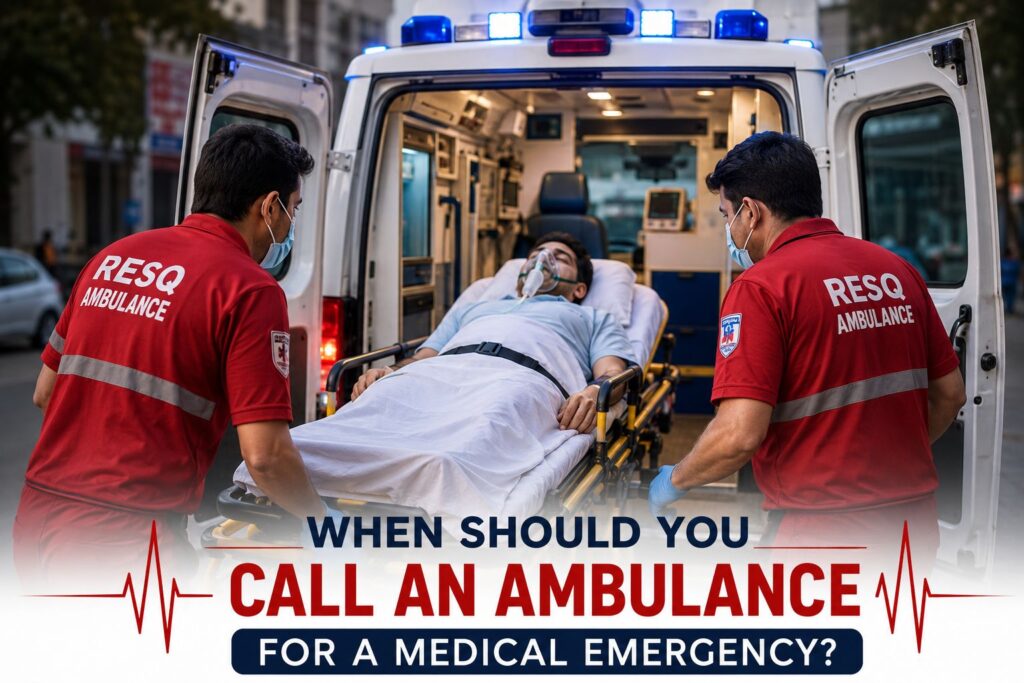
Medical emergencies can happen suddenly, and knowing when to call an ambulance can make an important difference. Many people hesitate because they are unsure whether a situation is serious enough to require professional medical transportation.
In some emergencies, waiting for symptoms to improve or using a private vehicle can create unnecessary risks. An ambulance allows trained medical professionals to begin appropriate care while the patient is being transported to a healthcare facility.
The important thing is to recognize warning signs and act quickly when professional emergency assistance may be needed.
Severe Chest Pain
Sudden or severe chest pain should never be ignored, particularly when it is accompanied by:
- Shortness of breath
- Sweating
- Nausea
- Dizziness
- Pain spreading to the arm, shoulder, back, or jaw
- Extreme weakness
These symptoms can occur during serious cardiac emergencies.
Instead of asking a family member to drive, calling an ambulance allows medical professionals to assess the patient and provide emergency support during transportation.
If you need an ambulance number in zirakpur, keep the number of a reliable local ambulance provider easily accessible for emergencies.
Difficulty Breathing
Breathing problems can become serious very quickly.
An ambulance may be necessary when a person experiences:
- Severe breathlessness
- Very rapid breathing
- Blue or grey lips
- Severe wheezing
- Difficulty speaking because of breathlessness
- Sudden worsening of an existing respiratory condition
Patients who require oxygen support should be transported using an appropriately equipped ambulance.
For more information, read our related article Why Oxygen Ambulances Are Essential During Medical Emergencies.
Signs of a Stroke
Stroke symptoms require immediate medical attention.
Common warning signs include:
- Sudden weakness or numbness on one side
- Difficulty speaking
- Confusion
- Sudden vision problems
- Loss of balance
- Severe sudden headache
A simple way to remember common stroke warning signs is FAST:
F – Face: Ask the person to smile.
A – Arms: Ask them to raise both arms.
S – Speech: Check whether their speech is clear.
T – Time: Seek emergency medical help immediately if symptoms are present.
Early medical evaluation is important because some stroke treatments are time-sensitive.
Loss of Consciousness
If someone suddenly becomes unconscious, professional emergency assistance should be considered immediately.
Possible causes include:
- Heart problems
- Stroke
- Low blood sugar
- Seizures
- Severe dehydration
- Head injuries
- Other serious medical conditions
Do not give food or water to an unconscious person.
Keep the person safe and follow instructions from emergency medical professionals while waiting for assistance.
Serious Road Accidents
Road accidents can cause injuries that are not immediately visible.
An ambulance should be considered when an accident involves:
- Loss of consciousness
- Heavy bleeding
- Severe pain
- Difficulty breathing
- Suspected fractures
- Head injury
- Neck or back injury
- Multiple injuries
Avoid moving an injured person unnecessarily, especially when a spinal injury may be present.
Professional ambulance teams have equipment and training for safer patient movement.
Heavy Bleeding
Severe bleeding requires immediate attention.
While waiting for professional assistance, apply firm pressure to the wound using clean cloth or gauze when appropriate.
Do not remove an object that is deeply embedded in the wound.
An ambulance provides access to medical professionals who can continue emergency treatment during transportation.
Severe Allergic Reactions
A serious allergic reaction can develop rapidly.
Warning signs may include:
- Swelling of the face or throat
- Difficulty breathing
- Widespread hives
- Dizziness
- Fainting
- Sudden weakness
If a person has prescribed emergency medication for a known allergy, use it according to their medical instructions and seek emergency assistance.
Serious Burns
Large or deep burns may require urgent medical treatment.
Professional ambulance transportation may be appropriate when burns involve:
- Face
- Hands
- Feet
- Genital area
- Major joints
- Large areas of the body
- Airway or breathing difficulties
Avoid applying household substances to serious burns.
Seizures
During a seizure, protect the person from nearby objects that could cause injury.
Do not:
- Hold the person down
- Put objects in their mouth
- Give food or water
Emergency medical assistance is especially important if the seizure is prolonged, repeated, associated with injury, or occurs in someone with no previous seizure history.
Severe Head Injuries
A head injury can sometimes appear minor initially while serious complications develop later.
Seek emergency assistance when a person experiences:
- Loss of consciousness
- Repeated vomiting
- Severe headache
- Confusion
- Seizures
- Unusual sleepiness
- Weakness
- Difficulty speaking
Avoid unnecessary movement if a neck or spinal injury is suspected.
Sudden Severe Abdominal Pain
Not every case of abdominal pain requires an ambulance, but sudden severe pain accompanied by other concerning symptoms should receive urgent medical attention.
These may include:
- Fainting
- Persistent vomiting
- Heavy bleeding
- Severe weakness
- Breathing difficulties
- Abdominal injury
If the patient’s condition is rapidly worsening, professional emergency transportation may be safer than arranging a private vehicle.
When a Patient Cannot Travel Safely in a Private Vehicle
Sometimes the medical condition itself makes a private vehicle inappropriate.
An ambulance may be the safer option when the patient:
- Cannot sit upright
- Is bedridden
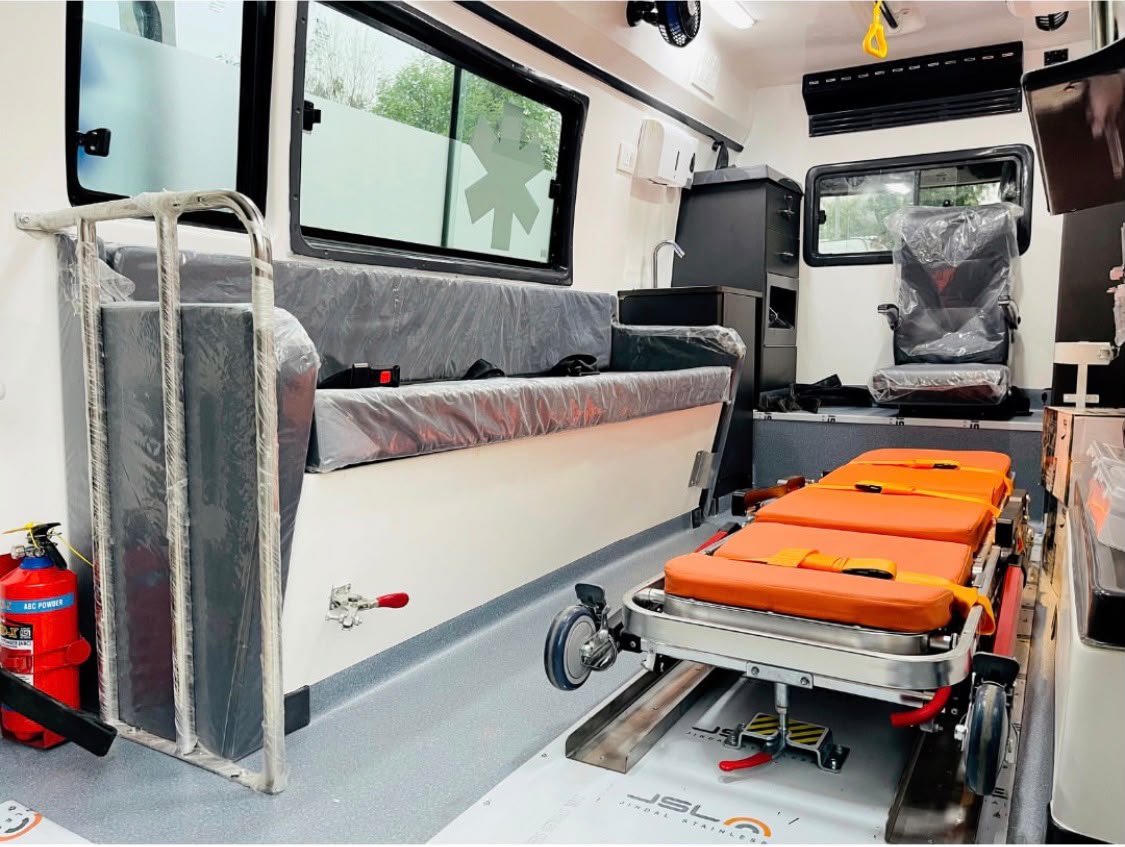
- Requires a stretcher
- Needs oxygen
- Requires continuous monitoring
- Has recently undergone major surgery
- Is medically unstable
A professional ambulance can provide appropriate equipment and trained assistance during the journey.
If you’re looking for a reliable kharar ambulance, make sure the provider understands the patient’s condition before dispatching the vehicle.
Choosing the Right Ambulance
Not every emergency requires the same type of ambulance.
Depending on the patient’s condition, options may include:
- Basic Life Support ambulance
- Advanced Life Support ambulance
- Oxygen ambulance
- ICU ambulance
- Ventilator ambulance
For critically ill patients, choosing the appropriate level of medical support is especially important.
You can learn more in our article How ICU Ambulances Provide Critical Care During Patient Transport.
Why Calling an Ambulance Can Be Safer
A private vehicle provides transportation, but it usually cannot provide medical care during the journey.
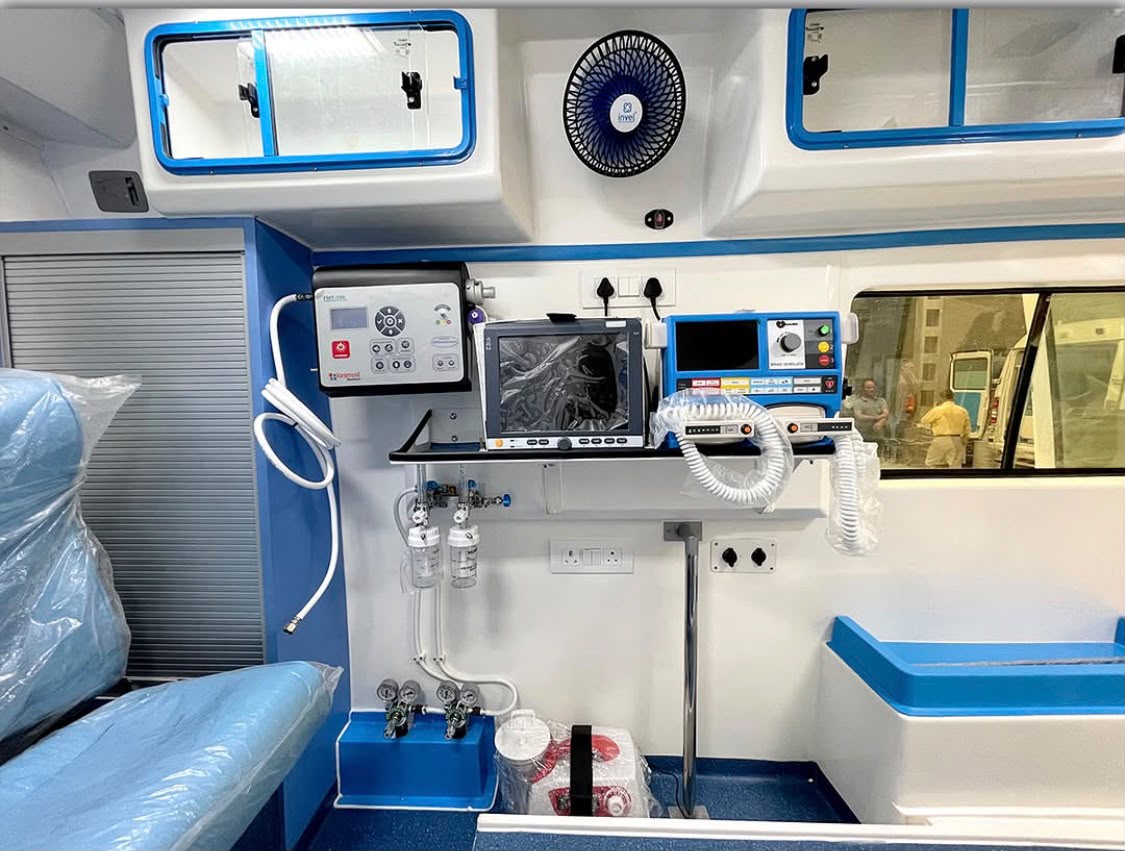
A professional ambulance may provide:
- Medical monitoring
- Oxygen support
- Emergency equipment
- Stretcher transportation
- Trained paramedics
- Emergency intervention
This can be particularly important when the patient’s condition may change during transportation.
If you require ambulance service in chandigarh, provide the patient’s medical details clearly when booking so the appropriate ambulance can be arranged.
What Information Should You Give When Calling?
When requesting an ambulance, provide clear information about:
- Patient’s condition
- Symptoms
- Age
- Consciousness
- Breathing
- Location
- Nearby landmark
- Special medical requirements
If the patient needs oxygen, ventilator support, or a stretcher, mention this before the ambulance is dispatched.
Help the Ambulance Team Reach You Quickly
Once the ambulance has been requested:
- Keep the entrance accessible.
- Unlock the gate.
- Send someone outside if possible.
- Keep elevators available.
- Turn on lights at night.
- Keep the patient’s medical documents ready.
These simple steps can reduce unnecessary delays.
Emergency Transportation to Major Hospitals
Patients may require urgent transportation to specialized hospitals for advanced treatment.
If the destination is PGI, you can use the relevant ambulance service near PGI Chandigarh page for your internal link.
For patients requiring treatment at Sector 32, link the phrase ambulance service near GMCH Sector 32 Chandigarh to the relevant RESQ service page.
What to Do While Waiting for the Ambulance
Stay with the patient and follow instructions provided by emergency medical professionals.
Depending on the situation, you may need to:
- Keep the patient comfortable
- Monitor breathing
- Control visible bleeding
- Avoid unnecessary movement
- Keep important medical information ready
For a detailed guide, read What to Do While Waiting for an Ambulance to Arrive.
Frequently Asked Questions
When should I call an ambulance?
Call an ambulance when someone has a potentially serious or life-threatening condition such as severe chest pain, breathing difficulty, stroke symptoms, serious injury, unconsciousness, heavy bleeding, or another rapidly worsening condition.
Should I drive a seriously ill patient to the hospital?
If the patient is seriously ill, an ambulance may be safer because trained medical professionals can provide monitoring and emergency support during transportation.
What information should I provide when calling an ambulance?
Give the patient’s symptoms, condition, location, age, consciousness level, breathing status, and any special medical requirements.
Should I move an accident victim?
Avoid unnecessary movement, particularly when a head, neck, or spinal injury is suspected. Follow instructions from emergency medical professionals.
Which ambulance is suitable for a critical patient?
A critically ill patient may require ALS, ICU, or ventilator-supported transportation depending on their condition. The appropriate level should be determined according to the patient’s medical needs.
Conclusion
Knowing when to call an ambulance can help families respond more confidently during medical emergencies. Severe chest pain, breathing difficulties, stroke symptoms, unconsciousness, serious accidents, heavy bleeding, and other rapidly worsening conditions should never be taken lightly.
Professional ambulance transportation provides more than a way to reach the hospital. It can provide trained medical assistance, monitoring, oxygen support, emergency equipment, and safer patient handling during the journey.
When in doubt about a potentially serious emergency, seek professional medical assistance rather than delaying care or relying on an ordinary vehicle.