
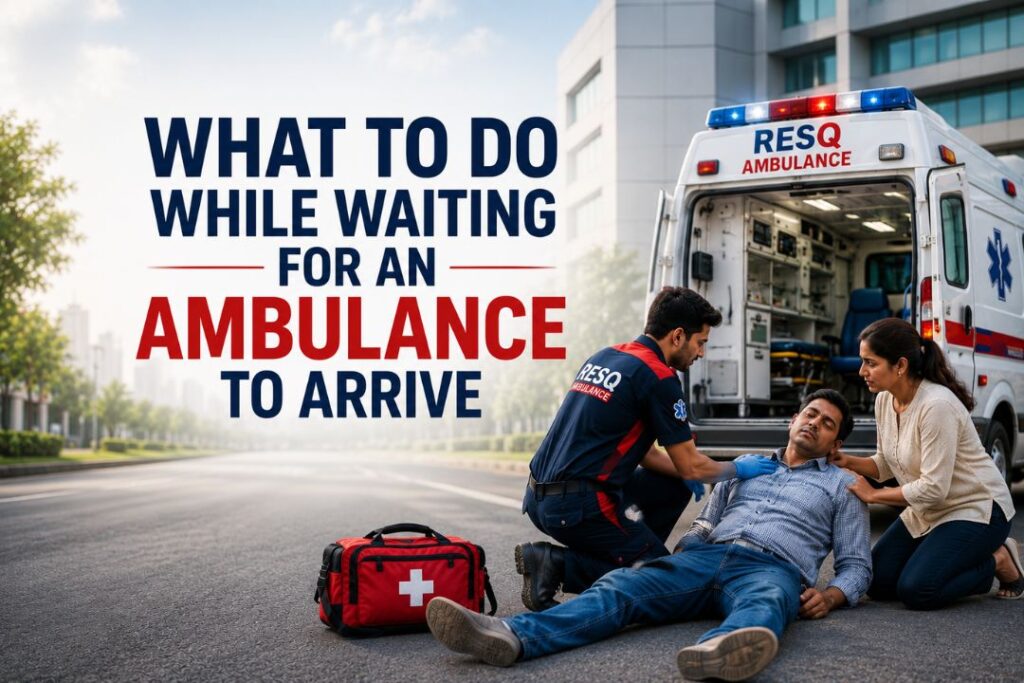
Medical emergencies can happen without warning. Whether someone experiences chest pain, difficulty breathing, a road accident, or suddenly becomes unconscious, the moments before an ambulance arrives are extremely important. Staying calm and taking the right actions can help protect the patient and support emergency medical professionals once they reach the location.
Many people panic during emergencies, but knowing a few basic steps can prevent further injury and improve the patient’s chances of recovery. While you should never attempt advanced medical procedures without proper training, there are several simple things you can do to help until the ambulance arrives.
In this article, we’ll discuss practical steps you should follow while waiting for emergency medical assistance.
Call an Ambulance Immediately
The first step during any serious medical emergency is to call a professional ambulance service without delay.
When speaking to the ambulance operator, provide:
- Patient’s condition
- Exact location
- Nearby landmarks
- Contact number
- Age of the patient
- Whether the patient is conscious and breathing
Giving clear information helps dispatch the right ambulance quickly.
If you need urgent medical transportation, RESQ Ambulance offers trusted ambulance in zirakpur services with fast response and experienced paramedics available 24×7.
Stay Calm
Remaining calm is one of the most important things you can do.
Panic often leads to poor decisions and confusion.
Speak calmly to the patient, reassure family members, and focus on providing accurate information to emergency responders.
A calm environment also helps the patient feel more secure.
Check if the Patient Is Conscious
Try speaking to the patient gently.
Ask simple questions like:
- Can you hear me?
- What is your name?
- Can you open your eyes?
If there is no response, check whether the patient is breathing normally.
If the patient is not breathing and you are trained in CPR, begin CPR immediately while following emergency operator instructions.
Keep the Patient Comfortable
Avoid unnecessary movement unless the patient is in immediate danger.
Help them remain in a comfortable position.
For example:
- Patients with breathing difficulty often feel better sitting upright.
- Patients feeling faint may be more comfortable lying flat.
- Accident victims should not be moved unless absolutely necessary.
Keeping the patient comfortable helps reduce additional stress.
Control Heavy Bleeding
If the patient has severe bleeding:
- Apply firm pressure using a clean cloth or bandage.
- Keep pressure on the wound.
- Raise the injured limb if possible.
- Do not remove objects embedded in the wound.
These steps help reduce blood loss until paramedics arrive.
Do Not Give Food or Water
Many people instinctively offer water to someone who appears unwell.
However, patients requiring emergency treatment may need surgery or special medical procedures.
Avoid giving:
- Food
- Water
- Juice
- Medicines (unless prescribed or instructed by medical professionals)
This helps prevent complications during treatment.
Help the Ambulance Reach You Quickly
You can save valuable time by making the location easy to find.
Before the ambulance arrives:
- Unlock the main gate.
- Keep elevators available.
- Turn on outdoor lights at night.
- Send someone outside to guide the ambulance.
- Remove obstacles from the entrance.
These small actions help emergency teams reach the patient faster.
If you’re searching for dependable ambulance service chandigarh, choosing a professional ambulance service ensures quick response and safe patient transportation.
Keep Important Medical Information Ready
While waiting, collect useful medical information such as:
- Current medications
- Previous medical history
- Allergy details
- Hospital discharge papers
- Doctor’s prescriptions
- Identification documents
Providing this information helps paramedics begin treatment immediately.
Avoid Crowding Around the Patient
Family members and neighbors often gather around the patient during emergencies.
Too many people can:
- Block access
- Reduce fresh air
- Increase patient anxiety
- Delay emergency treatment
Allow enough space for ambulance staff to work efficiently.
Do Not Move Accident Victims
Patients involved in road accidents may have hidden spinal or neck injuries.
Moving them incorrectly can cause permanent damage.
Only move the patient if:
- There is immediate danger
- Fire is present
- The location is unsafe
Otherwise, wait for trained ambulance professionals.
Monitor the Patient
Continue observing the patient’s condition until help arrives.
Watch for:
- Changes in breathing
- Consciousness
- Chest pain
- Bleeding
- Seizures
If the condition changes, inform the ambulance team immediately upon arrival.
Keep Emergency Contacts Available
Inform close family members about the emergency.
Keep contact numbers ready for:
- Family members
- Primary doctor
- Hospital
- Caregiver
This helps coordinate treatment more efficiently.
Follow Instructions From Emergency Operators
Many ambulance services provide instructions over the phone while help is on the way.
Carefully follow their guidance.
They may instruct you to:
- Position the patient safely
- Apply pressure to bleeding wounds
- Begin CPR
- Monitor breathing
Their advice is based on professional emergency medical protocols.
Prepare for Hospital Transportation
Before leaving for the hospital:
- Carry identification documents.
- Bring medical reports.
- Keep prescribed medicines.
- Carry health insurance documents if available.
- Pack essential personal items if hospitalization is likely.
Being prepared reduces unnecessary delays later.
RESQ Ambulance also provides reliable ambulance mohali, trusted ambulance panchkula, and prompt ambulance service in kharar for emergency patient transportation across the Tricity region.
Frequently Asked Questions
What should I do first during a medical emergency?
Call an ambulance immediately and clearly explain the patient’s condition and location.
Should I move an accident victim?
No. Unless there is immediate danger, avoid moving accident victims because they may have spinal injuries.
Can I give water to an unconscious patient?
No. Never give food or water to an unconscious patient.
What documents should I keep ready?
Medical records, prescriptions, identification, and current medication details should be available for ambulance staff.
Why should I avoid crowding around the patient?
Crowding limits access for paramedics and can increase the patient’s stress during an emergency.
Conclusion
The time between calling an ambulance and its arrival is extremely important. Staying calm, keeping the patient safe, controlling bleeding when necessary, avoiding unnecessary movement, and preparing medical information can all make a significant difference.
Professional ambulance teams rely on these early actions to provide faster and more effective treatment. Knowing what to do during those critical minutes can help improve patient safety and support a smoother medical response.