
During a medical emergency, every minute can matter. A patient experiencing severe chest pain, breathing difficulty, a stroke, serious injury, or loss of consciousness may need medical attention as quickly as possible.
An ambulance does more than transport a patient from one location to another. Professional ambulance teams can begin essential care, monitor the patient’s condition, and provide medical support while traveling to the hospital.
This is why response time, proper equipment, trained staff, and efficient transportation all play an important role in emergency patient care.
What Is Ambulance Response Time?
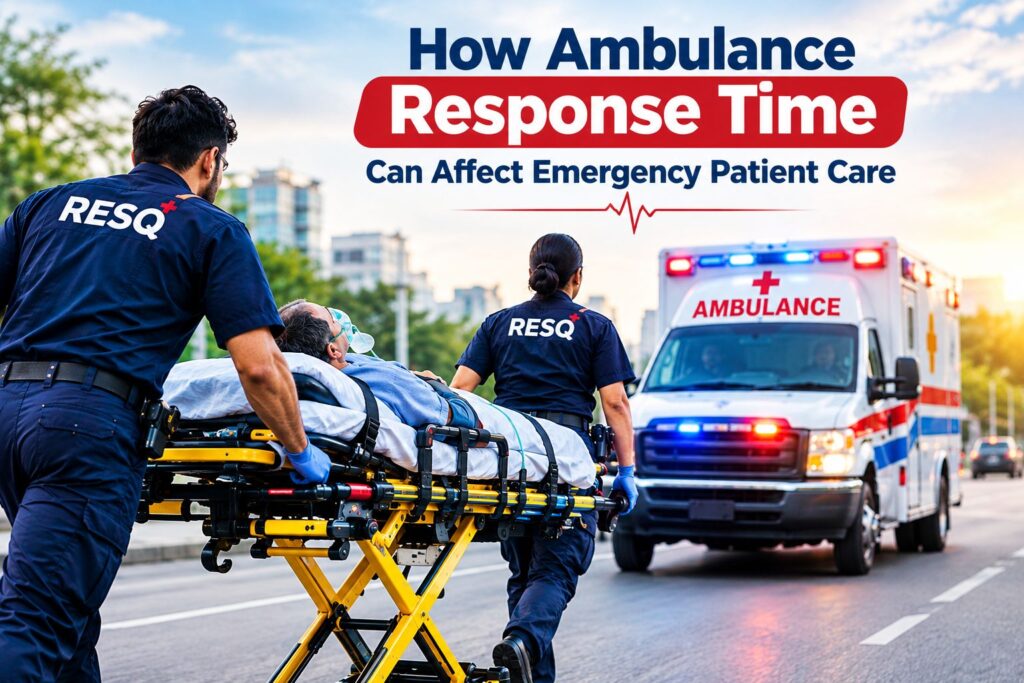
Ambulance response time generally refers to the period between receiving an emergency request and the ambulance reaching the patient’s location.
Several factors can affect this time, including:
- Traffic conditions
- Distance
- Road accessibility
- Weather
- Location of the patient
- Availability of nearby ambulances
- Accuracy of the pickup address
Providing a clear location and accurate contact information can help the ambulance team reach the patient efficiently.
If you are looking for reliable ambulance in zirakpur, having access to a professional ambulance service can help arrange appropriate medical transportation when an emergency occurs.
Why Fast Ambulance Response Matters
Some medical conditions can become more serious without timely medical attention.
Examples include:
- Cardiac emergencies
- Stroke symptoms
- Severe breathing difficulties
- Major bleeding
- Serious accidents
- Loss of consciousness
- Severe allergic reactions
- Seizures
Early medical assessment can help emergency teams determine what care the patient needs while traveling to the hospital.
Ambulance Care Begins Before Hospital Arrival
One of the major benefits of professional ambulance transportation is that patient care can begin before reaching the hospital.
Depending on the patient’s condition, trained medical personnel may provide:
- Oxygen support
- Vital-sign monitoring
- First aid
- Bleeding control
- Patient positioning
- Basic life support
- Other emergency interventions within their training and available equipment
This can be particularly important when the patient requires immediate attention.
The Importance of Accurate Location Information
When calling for an ambulance, provide the most accurate pickup information possible.
Include:
- Building or house number
- Street or road name
- Nearby landmark
- Area or locality
- Contact number
- Exact entrance if applicable
If the location is difficult to find, having someone available to guide the ambulance can reduce delays.
For emergencies requiring transportation around Chandigarh, keeping a reliable ambulance number in chandigarh available can make it easier to request assistance when needed.
Traffic Can Affect Response Time
Traffic is one of the factors that can influence ambulance arrival.
Busy roads, congestion, road construction, and blocked routes can create challenges for emergency vehicles.
Families can help by:
- Providing clear directions
- Sharing nearby landmarks
- Keeping the entrance accessible
- Sending someone outside when possible
- Informing the ambulance team about difficult access points
These simple steps can make the pickup process more efficient.
Choosing the Appropriate Ambulance
Response time is important, but the ambulance also needs to match the patient’s medical requirements.
Different patients may require:
- Basic Life Support
- Oxygen support
- Advanced Life Support
- ICU transportation
- Ventilator support
Sending an ambulance with appropriate equipment and medical staff can help ensure that the patient’s needs are addressed during transportation.
Read our blog How to Choose the Right Ambulance for a Medical Emergency for more information.
Oxygen Support During Emergency Transportation
Some patients may experience serious breathing difficulties and require supplemental oxygen.
An oxygen-equipped ambulance can provide respiratory support during transportation when medically appropriate.
For more information, read Why Oxygen Ambulances Are Essential During Medical Emergencies.
Advanced Support for Critical Patients
Patients with severe medical conditions may require more advanced transportation.
An ICU ambulance can provide equipment for continuous monitoring and critical care.
Patients who require mechanical breathing assistance may need a ventilator ambulance.
You can learn more from:
How ICU Ambulances Provide Critical Care During Patient Transport
Understanding Ventilator Ambulances: When Are They Needed?
Response Time and Hospital Transfers
Ambulance response time can also matter when a patient needs to be transferred between healthcare facilities.
Hospital transfers may be required when a patient needs:
- Specialist treatment
- Advanced diagnostic services
- Surgery
- Intensive care
- Rehabilitation
- A higher level of medical support
During such transfers, the patient’s condition should be communicated clearly to the ambulance provider so that the appropriate vehicle and equipment can be arranged.
Patients traveling to major healthcare facilities can also use ambulance service near PGI Chandigarh and ambulance service near GMCH Sector 32 Chandigarh for medical transportation.
How Families Can Help During an Emergency
Family members can support the emergency response by staying calm and preparing important information.
Keep ready:
- Patient’s medical history
- Current medications
- Allergy information
- Doctor’s contact details
- Recent medical reports
- Identification documents
Also ensure that the ambulance team can easily access the patient.
Do Not Delay Calling for Professional Help
People sometimes wait to see whether a serious medical problem improves on its own.
For potentially serious symptoms, delaying professional medical assessment can create additional risks.
If someone experiences severe chest pain, difficulty breathing, sudden weakness, serious bleeding, unconsciousness, or other concerning symptoms, seek emergency medical assistance promptly.
Professional Ambulances Provide More Than Transportation
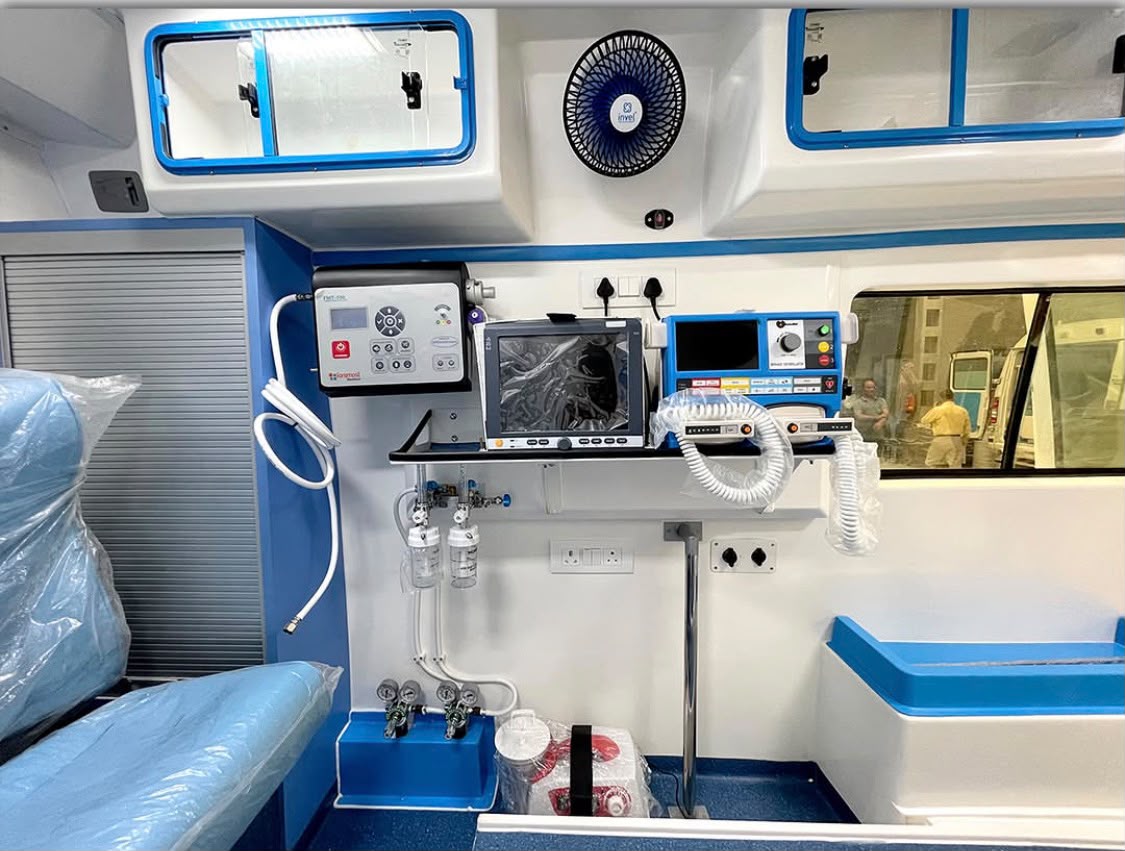
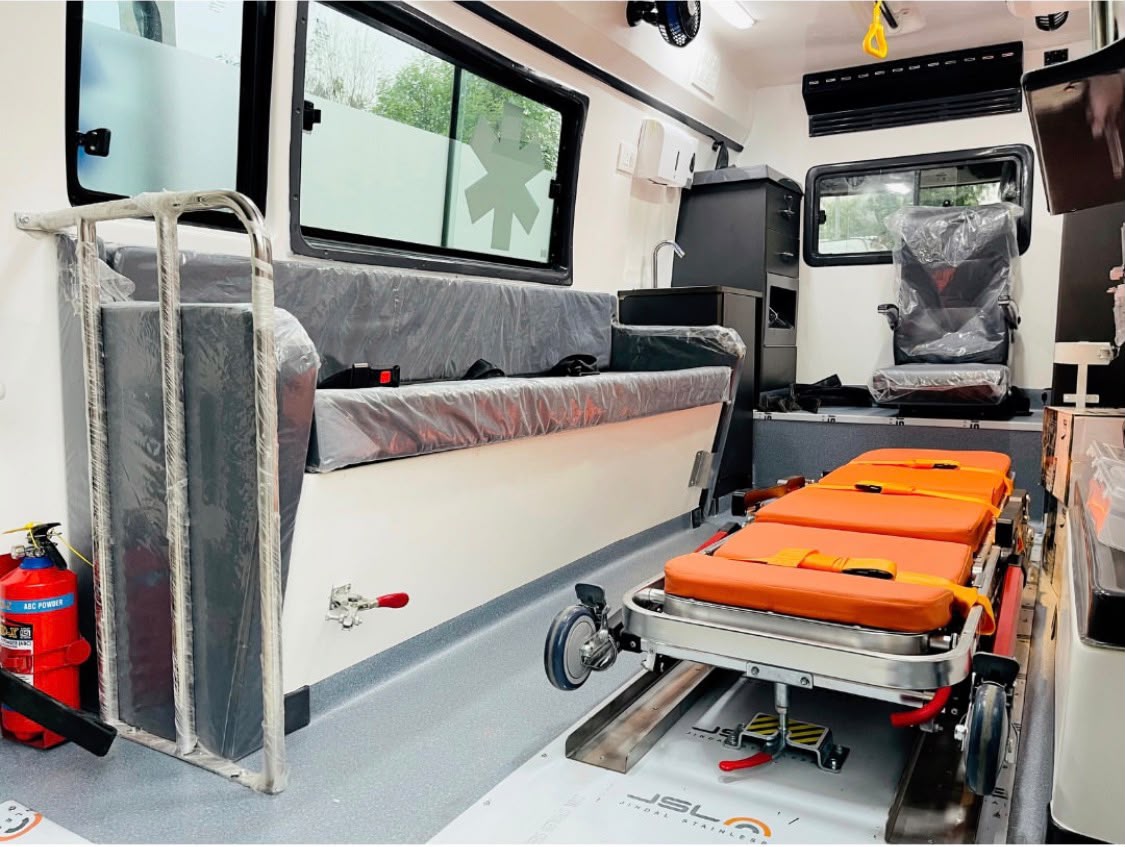
A professional ambulance is a mobile medical environment designed to help patients during transportation.
Depending on the ambulance type, services may include:
- Trained medical staff
- Patient monitoring
- Oxygen support
- Emergency equipment
- Stretcher transportation
- Critical-care equipment
- Safe patient handling
If you need dependable ambulance service mohali, choosing an appropriately equipped ambulance can help ensure the patient receives suitable support during transportation.
Preparing for Ambulance Arrival
Once an ambulance has been requested, families can help by preparing the pickup location.
Make sure:
- The entrance is unlocked.
- Pathways are clear.
- Elevators are accessible.
- Someone is available to guide the ambulance.
- Important medical documents are ready.
- The patient’s medications are collected.
These preparations can help reduce unnecessary delays.
Long-Distance Emergency Transportation
Some patients need to travel beyond their immediate area for specialized treatment.
Long-distance ambulance transportation can provide continuous medical monitoring during the journey.
The ambulance provider should know:
- Patient’s condition
- Destination
- Travel distance
- Oxygen requirements
- Need for advanced equipment
- Whether the patient is stable
Supporting Elderly Patients During Emergencies
Older adults may require additional assistance because of limited mobility or existing medical conditions.
Professional ambulance teams can assist with:
- Stretcher transfers
- Wheelchair movement
- Oxygen support
- Safe lifting
- Medical monitoring
Our previous article How Ambulance Services Help Senior Citizens Travel Safely covers this topic in more detail.
What Can Cause Delays?
Several factors can contribute to ambulance delays, including:
- Heavy traffic
- Incorrect address
- Poor road access
- Distance from the ambulance base
- Weather conditions
- Limited ambulance availability
While not every factor can be controlled, providing accurate information and keeping communication open can help the ambulance team locate the patient efficiently.
Why Professional Planning Matters
Emergency transportation works best when the ambulance, medical team, equipment, and destination are properly coordinated.
A professional ambulance provider can assess the information provided and arrange a suitable vehicle for the patient’s needs.
RESQ Ambulance also provides ambulance number in panchkula and ambulance kharar services for emergency and patient transportation requirements across the Tricity region.
Frequently Asked Questions
Why is ambulance response time important?
Quick ambulance arrival can allow trained medical professionals to assess the patient and begin appropriate emergency care sooner.
What information should I provide when calling an ambulance?
Provide the patient’s condition, exact location, contact number, nearby landmarks, and any known medical requirements.
Can an ambulance provide treatment before reaching the hospital?
Depending on the ambulance type and patient’s condition, trained medical personnel can provide appropriate emergency care and monitoring during transportation.
Does every emergency require an ICU ambulance?
No. The appropriate ambulance depends on the patient’s medical condition and required level of support.
How can I help an ambulance reach my location faster?
Provide accurate directions, keep the entrance accessible, share landmarks, and have someone available to guide the ambulance when possible.
Conclusion
Ambulance response time is an important part of emergency medical transportation. However, fast arrival is only one part of effective emergency care. The ambulance should also have the appropriate equipment and trained medical professionals for the patient’s condition.
Families can support the emergency response by providing accurate location details, preparing medical information, keeping access routes clear, and following instructions from emergency professionals.
Professional ambulance services help connect patients with medical facilities while providing appropriate care and monitoring during transportation.