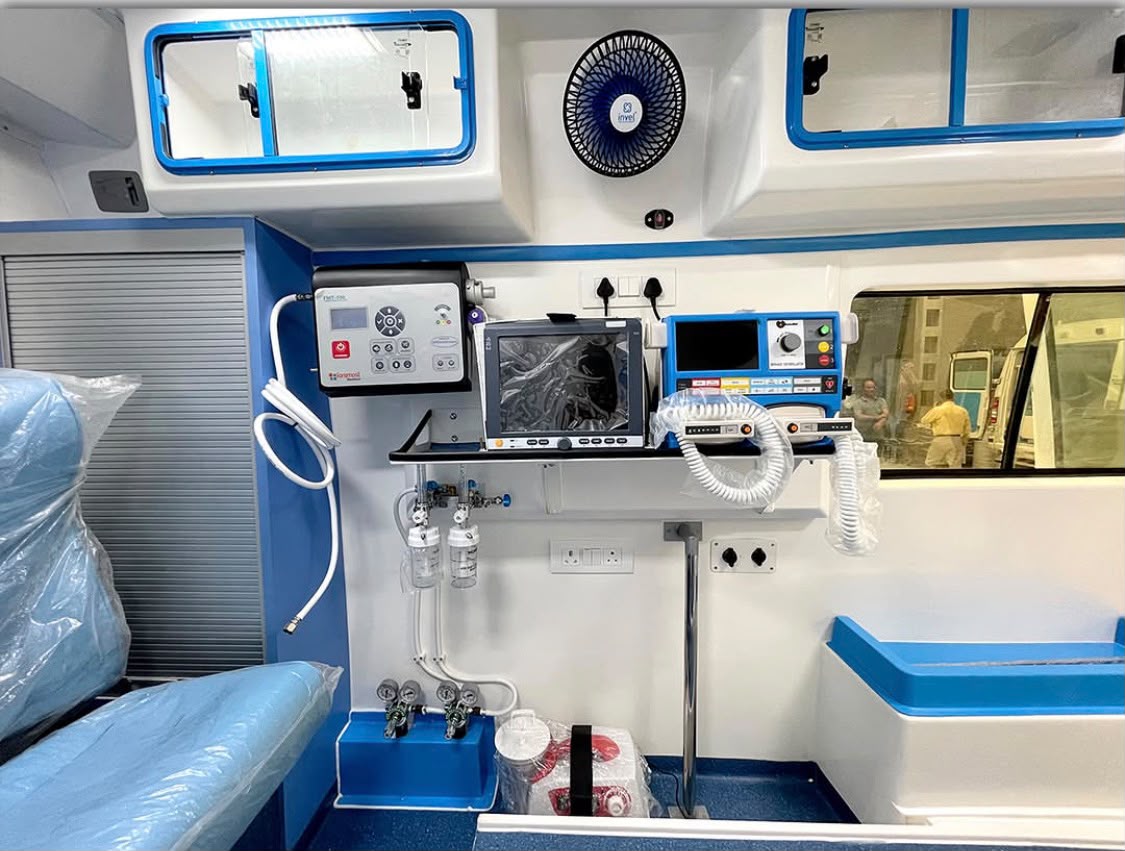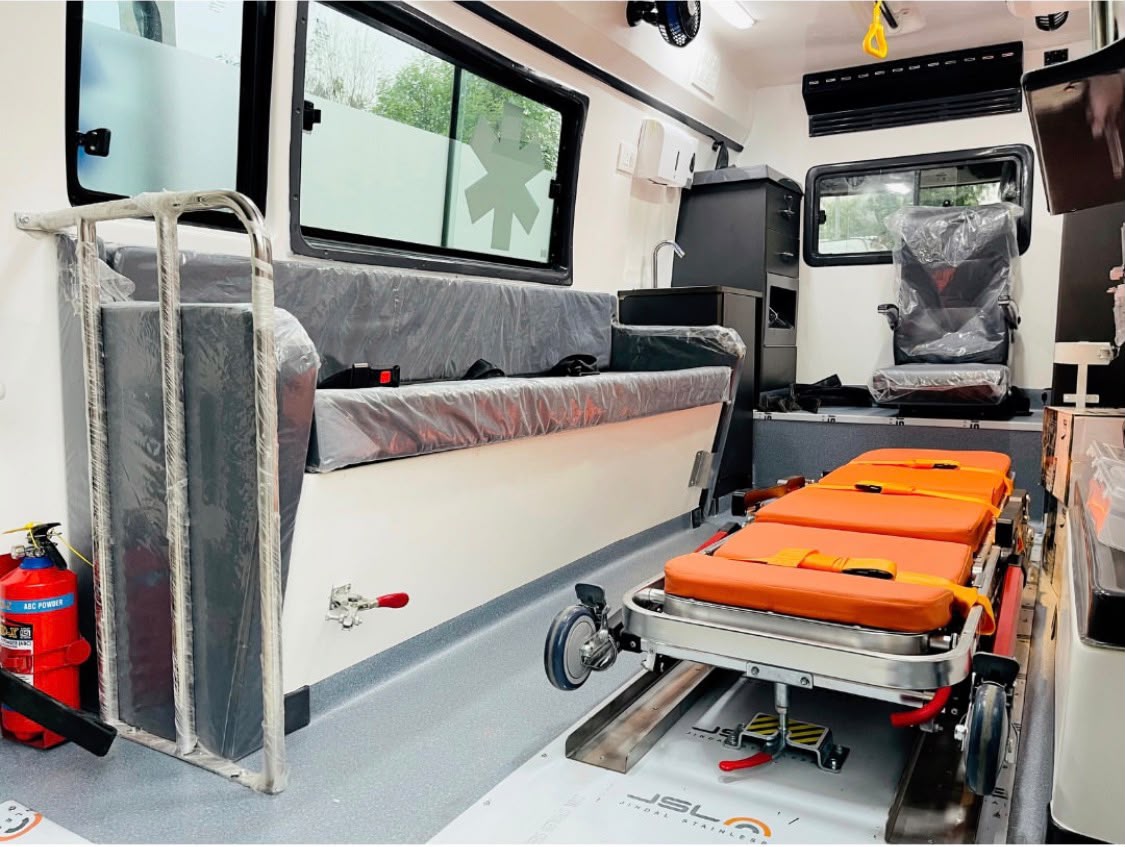


Transporting a bedridden patient from home to a hospital can be difficult for families. Moving a patient from a bed to a vehicle requires proper handling, especially when the patient cannot stand, walk, or sit independently.
An ambulance for bedridden patients is designed to make medical transportation easier by providing stretcher-based transport and assistance according to the patient’s condition and requirements.
Whether the patient needs to visit a hospital, attend a follow-up appointment, undergo a medical procedure, or move between healthcare facilities, proper transportation planning can help make the journey safer and more organized.
Why Bedridden Patients May Need an Ambulance
A private car may not be suitable when a patient cannot sit or move independently. Trying to transfer a bedridden patient without appropriate equipment or assistance can also create unnecessary difficulties.
An ambulance may be appropriate when a patient:
- Cannot walk independently
- Cannot sit safely in a regular vehicle
- Requires stretcher transportation
- Needs assistance moving from a bed
- Has limited mobility following an illness or surgery
- Requires oxygen during transportation
- Needs medical supervision during the journey
The appropriate ambulance should depend on the patient’s medical condition and transportation requirements.
What Is Stretcher Transportation?
Stretcher transportation allows a patient to remain lying down during the journey rather than being transferred into a normal car seat.
This can be particularly useful for patients who are:
- Completely bedridden
- Weak after hospitalization
- Recovering from surgery
- Unable to maintain a sitting position
- Experiencing significant mobility limitations
Before booking, families should explain the patient’s condition and confirm that stretcher transportation is available.
How to Prepare a Bedridden Patient for Ambulance Transportation
Preparation starts before the ambulance arrives.
Families should keep important items ready, including:
- Patient’s medical records
- Prescriptions
- Recent test reports
- Identification documents
- Current medication information
- Hospital appointment details
- Doctor’s instructions
- Oxygen or other medical information, if applicable
It is also useful to clear the path from the patient’s bed to the entrance so that the ambulance team can move the stretcher more easily.
For additional preparation guidance, families can refer to What to Keep Ready Before an Ambulance Arrives.
Preparing the Home for Patient Pickup
The ambulance team may need sufficient space to move the patient from the bed to the stretcher.
Before the ambulance arrives, check:
- Whether the route from the room to the entrance is clear
- Whether furniture needs to be moved
- Whether stairs are involved
- Whether the main entrance is accessible
- Whether the stretcher can reach the patient’s room
- Whether someone is available to provide basic information about the patient
Clear access can make the pickup process more organized.
When a Patient Needs Stretcher Assistance
Some bedridden patients may require assistance during the transfer from their bed to the ambulance stretcher.
Families should tell the ambulance provider about the patient’s mobility limitations while booking. This is particularly important if the patient cannot sit, stand, or assist with movement.
Providing accurate information helps the ambulance team understand the transportation requirements before arrival.
Ambulance Transportation After Surgery
Patients recovering from surgery may have temporary mobility restrictions and may not be able to travel comfortably in a private vehicle.
Depending on the doctor’s instructions and the patient’s condition, ambulance transportation may be considered for:
- Hospital follow-up visits
- Diagnostic appointments
- Transfer between medical facilities
- Returning home after hospitalization
- Specialist consultations
Families should follow the treating doctor’s transportation recommendations when special precautions are required.
Ambulance for Bedridden Patients Requiring Oxygen
Some bedridden patients may also require oxygen support during transportation.
If oxygen is required, this should be communicated when booking the ambulance. The provider can then discuss the appropriate ambulance and equipment based on the patient’s needs.
Families should not assume that every ambulance has identical medical equipment.
For more information about oxygen-related ambulance transportation, see Why Oxygen Ambulances Are Essential During Medical Emergencies.
Choosing the Appropriate Ambulance
Not every patient requires the same level of ambulance support.
When booking transportation for a bedridden patient, consider:
- Whether the patient needs a stretcher
- Whether oxygen is required
- The patient’s ability to sit
- The patient’s current medical condition
- The distance of travel
- Whether medical monitoring is required
- Whether the journey is between hospitals
Giving complete information helps the ambulance provider determine what type of transportation may be suitable.
For more guidance, you can also refer to How to Choose the Right Ambulance for a Patient’s Medical Condition.
Transportation for Bedridden Patients in Different Areas
Bedridden patients may need transportation from home to a hospital, nursing facility, diagnostic center, or another healthcare location.
Families searching for ambulance panchkula can provide the patient’s exact pickup and destination details while booking.
Similarly, patients requiring transportation from Kharar can ask about kharar ambulance services according to their mobility and medical requirements.
For Chandigarh-area transportation, families can inquire about ambulance chandigarh services when a stretcher or other medical transportation support is needed.
Hospital Transportation for Bedridden Patients
A bedridden patient may need transportation to a hospital for regular consultations, diagnostic procedures, specialist appointments, or treatment.
If the destination is in the PGI area, families can look for an ambulance service near PGI Chandigarh that can accommodate the patient’s transportation requirements.
For patients traveling to or from Government Medical College and Hospital, families can also consider an ambulance service near GMCH Sector 32 Chandigarh.
Long-Distance Transportation for Bedridden Patients
Long-distance travel can require additional planning when the patient cannot sit or walk independently.
Before arranging the journey, discuss:
- Total travel distance
- Patient’s current condition
- Stretcher requirements
- Oxygen requirements
- Medical equipment needed
- Attendant requirements
- Planned breaks or care requirements during a longer journey
For longer patient journeys, advance planning can help reduce transportation difficulties.
You can also read How Ambulance Services Support Patients During Long-Distance Transfers for additional information.
What Family Members Should Tell the Ambulance Provider
Accurate information is important when booking an ambulance for a bedridden patient.
Tell the provider:
- Patient’s age
- Whether the patient is completely bedridden
- Whether the patient can sit
- Whether a stretcher is required
- Whether oxygen is needed
- Pickup floor and accessibility
- Destination hospital or facility
- Approximate travel distance
- Whether an attendant will accompany the patient
The more clearly the requirements are explained, the easier it is to arrange suitable transportation.
Common Mistakes to Avoid
Families sometimes focus only on the destination and appointment time while forgetting to explain the patient’s mobility requirements.
Avoid:
- Booking without mentioning that the patient is bedridden
- Assuming a normal car can safely transport the patient
- Not confirming stretcher availability
- Forgetting to mention oxygen requirements
- Leaving narrow pathways blocked
- Waiting until the last minute for a scheduled appointment
- Not keeping medical documents ready
Good preparation can make the overall transportation process smoother.
Why Professional Ambulance Transportation Can Help
A professional ambulance provides a transportation environment designed for patients who need more assistance than ordinary vehicles can provide.
Depending on the ambulance type, services may include:
- Stretcher transportation
- Patient handling assistance
- Basic medical equipment
- Oxygen support when available and required
- Ambulance personnel
- Medical transportation between healthcare facilities
The exact level of support varies according to the ambulance and patient’s requirements.
FAQs
Can a bedridden patient travel in an ambulance?
Yes. Ambulances can provide stretcher-based transportation for patients who cannot walk or sit independently, depending on the service available and the patient’s requirements.
Is a stretcher required for every bedridden patient?
Not necessarily. The appropriate transportation setup depends on the patient’s ability to sit, mobility, medical condition, and travel requirements.
Can a bedridden patient be transported from home to a hospital?
Yes. Home-to-hospital ambulance transportation can be arranged for patients who require stretcher transportation or other medical assistance.
Should I mention that the patient is bedridden when booking?
Yes. This is important because the ambulance provider needs to understand the patient’s mobility requirements and determine the appropriate transportation arrangement.
Can an ambulance transport a bedridden patient for a hospital follow-up?
Yes. Ambulance transportation may be arranged for follow-up appointments, diagnostic visits, specialist consultations, and other healthcare-related journeys.
Can oxygen be provided during transportation?
Some ambulances are equipped for oxygen support. If the patient requires oxygen, inform the ambulance provider during booking so the appropriate arrangements can be discussed.
Conclusion
Transporting a bedridden patient requires more planning than ordinary travel. From preparing the home entrance to confirming stretcher requirements and communicating the patient’s medical needs, each step can help make transportation more organized.
An ambulance for bedridden patients can provide a suitable option when a patient cannot safely travel in a private vehicle or requires assistance during transportation.
Before booking, provide complete information about the patient’s mobility, medical condition, oxygen requirements, pickup location, and destination. This helps ensure that the transportation arrangement matches the patient’s needs.
Need an Ambulance for a Bedridden Patient?
If you need stretcher transportation for a bedridden patient, hospital appointment, medical consultation, or patient transfer, contact RESQ Ambulance to discuss the patient’s transportation requirements.