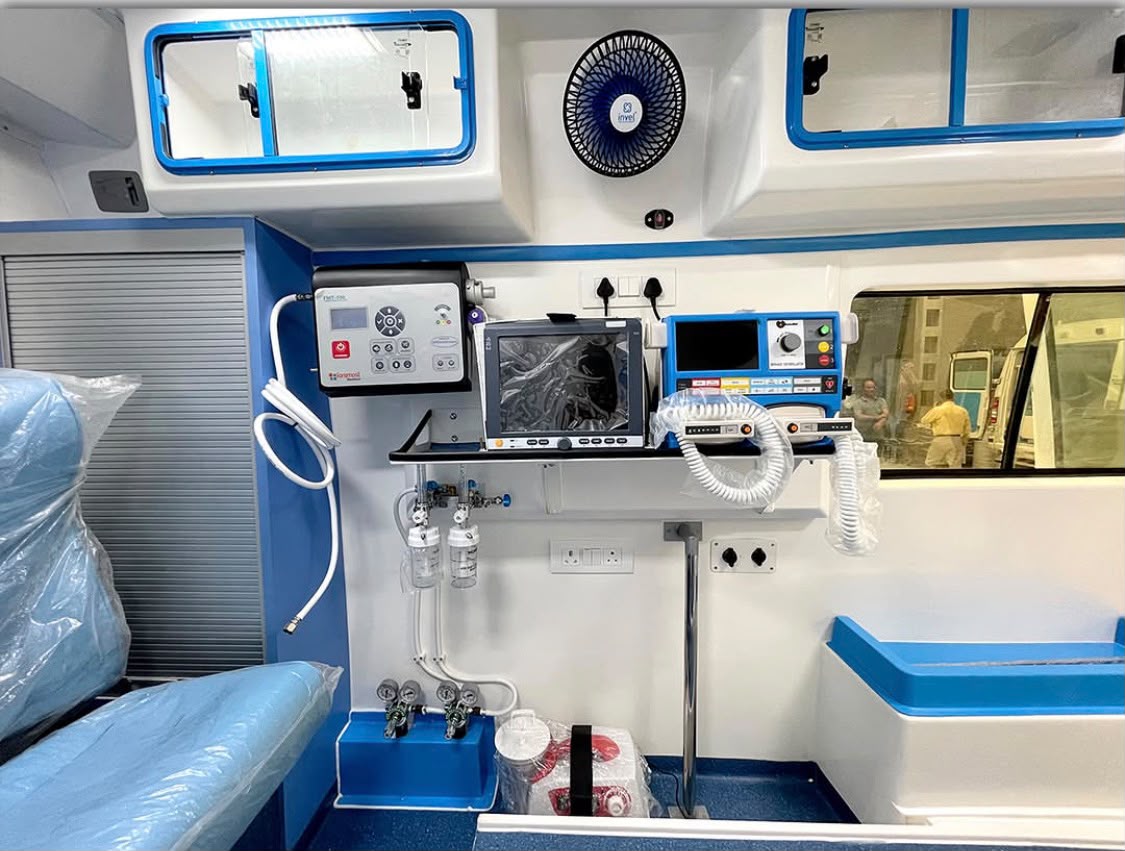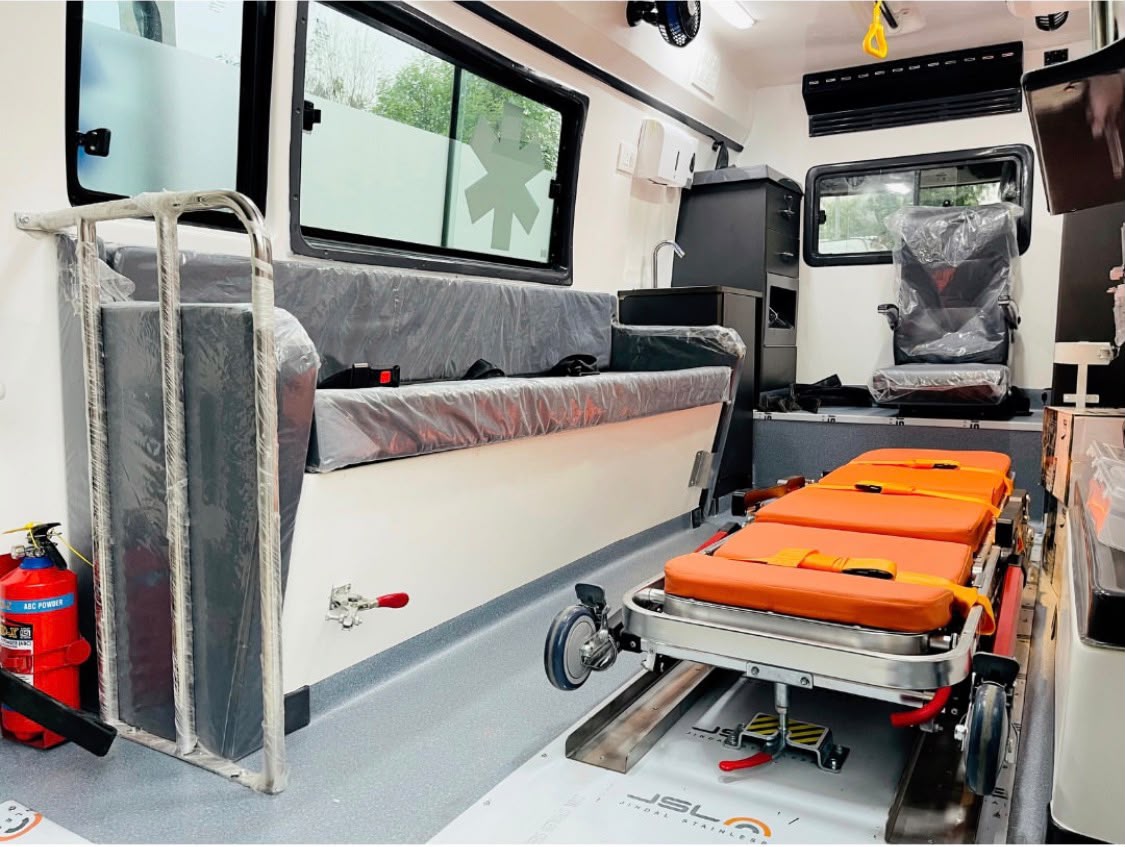


Patients undergoing regular dialysis often need to travel to a hospital or dialysis center several times each week. For people with kidney disease, these journeys can become physically tiring, especially when they experience weakness, dizziness, limited mobility, or other health complications.
Traveling in a private vehicle may not always be comfortable or practical for patients who need a stretcher, wheelchair assistance, oxygen, or medical supervision. A professional ambulance provides a safer transportation option by allowing the patient to travel in a properly equipped vehicle with trained medical staff when required.
Whether a patient needs transportation for a scheduled dialysis session, hospital admission, or return journey after treatment, selecting an appropriate ambulance can make the process easier for patients and their families.
Why Dialysis Patients May Need Ambulance Transportation
Dialysis patients can experience several symptoms before or after treatment, including:
- Weakness
- Fatigue
- Dizziness
- Low blood pressure
- Muscle cramps
- Nausea
- Difficulty walking
- Reduced mobility
Some patients may also have other medical conditions that make ordinary transportation difficult.
For patients requiring dependable ambulance service in zirakpur, professional ambulance transportation can provide appropriate support based on their medical needs.
Transportation Before Dialysis
Patients may feel weak or uncomfortable before their dialysis appointment. Regular ambulance transportation can help them reach the dialysis center without the physical strain associated with arranging private transportation.
Depending on the patient’s condition, an ambulance can provide:
- Stretcher transportation
- Wheelchair assistance
- Oxygen support when required
- Safe patient handling
- Basic medical monitoring
This can be particularly useful for elderly or bedridden dialysis patients.
Transportation After Dialysis
The period immediately after dialysis can also be challenging for some patients.
Some people experience tiredness, dizziness, or changes in blood pressure following treatment. Having professional transportation available can help the patient return home safely without needing to manage the journey independently.
Families can discuss the patient’s condition with the ambulance provider before arranging transportation.
Stretcher Transportation for Bedridden Patients
Some dialysis patients may have limited mobility or may be unable to sit comfortably in a standard vehicle.
A professional ambulance can provide a stretcher and trained personnel to help move the patient from:
- Home to ambulance
- Ambulance to hospital
- Hospital to ambulance
- Ambulance to home
Proper patient handling helps reduce the risk of falls and unnecessary physical strain.
Wheelchair Assistance
Patients who can sit but have difficulty walking may require wheelchair assistance.
Ambulance teams can help transfer patients safely between their home, wheelchair, ambulance, and healthcare facility.
This can make regular dialysis appointments easier for patients who have reduced mobility.
Oxygen Support During Transportation
Some dialysis patients may also have respiratory or cardiac conditions requiring supplemental oxygen.
When oxygen is medically required, an appropriately equipped ambulance can provide oxygen support during the journey.
Families should always inform the ambulance provider about oxygen requirements before booking so that the appropriate vehicle can be arranged.
For more information about oxygen-supported transportation, read Why Oxygen Ambulances Are Essential During Medical Emergencies.
Medical Monitoring During the Journey
Patients with multiple medical conditions may benefit from medical observation during transportation.
Depending on the ambulance type and patient’s condition, monitoring may include:
- Blood pressure
- Heart rate
- Oxygen saturation
- Breathing
- General condition
If the patient’s condition changes during transportation, trained medical personnel can respond according to their level of training and available equipment.
Choosing the Appropriate Ambulance
Not every dialysis patient needs the same type of ambulance.
A medically stable patient who mainly needs assistance with transportation may require a basic ambulance.
A patient with additional medical needs may require:
- Oxygen ambulance
- Advanced life-support ambulance
- ICU ambulance
- Specialized critical-care transportation
The appropriate choice should be based on the patient’s medical condition and recommendations from the treating healthcare team.
Regular Dialysis Transportation
Dialysis is usually a recurring treatment rather than a one-time hospital visit. Patients may therefore need transportation on a regular schedule.
Families can plan transportation in advance by keeping track of:
- Dialysis appointment times
- Pickup location
- Hospital or dialysis center
- Patient mobility requirements
- Oxygen requirements
- Required medical documents
Planning ahead can reduce last-minute stress.
Emergency Situations During Dialysis Travel
Although routine dialysis transportation is generally planned in advance, medical emergencies can occur.
Seek immediate medical assistance if a patient develops serious symptoms such as:
- Severe chest pain
- Difficulty breathing
- Loss of consciousness
- Severe weakness
- Sudden confusion
- Heavy bleeding
- Seizures
If an emergency occurs, provide the patient’s medical history and current condition to emergency medical professionals.
If you need an ambulance number in chandigarh, keep a trusted ambulance provider’s contact information easily accessible.
Hospital Transfers for Dialysis Patients
Sometimes a dialysis patient may need to move from one hospital to another because of a change in treatment requirements or specialist care.
A professional ambulance can help with hospital-to-hospital transfers while providing the level of medical support appropriate to the patient’s condition.
Patients requiring transportation around major healthcare facilities can also use ambulance service near PGI Chandigarh for hospital visits and transfers.
Similarly, ambulance service near GMCH Sector 32 Chandigarh can be useful for patients requiring transportation to or from the hospital.
How Families Can Prepare for the Journey
Before the ambulance arrives, families should keep important items ready.
These may include:
- Doctor’s prescription
- Recent medical reports
- Dialysis records
- Current medications
- Identification documents
- Hospital appointment details
- Emergency contact information
Also make sure that the route from the patient’s room to the entrance is clear.
Keeping the Patient Comfortable
Dialysis patients may already feel tired before transportation.
Families can help by:
- Keeping the patient comfortably positioned
- Avoiding unnecessary movement
- Preparing appropriate clothing
- Keeping essential medicines available
- Informing the ambulance team about discomfort or special requirements
Professional ambulance staff can then assist with safe movement and transportation.
Why Private Cars May Not Always Be Suitable
A private car may be sufficient for a healthy person traveling to an appointment, but it may not be appropriate for a patient who is bedridden, requires oxygen, or has difficulty sitting for extended periods.
An ambulance provides specialized transportation equipment and allows medical assistance to be available during the journey when required.
This can be particularly important for patients with multiple health conditions.
Ambulance Transportation for Elderly Dialysis Patients
Many dialysis patients are older adults who may have additional mobility or health concerns.
An ambulance can assist elderly patients with:
- Stretcher transfers
- Wheelchair movement
- Safe entry and exit
- Oxygen support when required
- Medical observation
If your family member needs regular medical transportation, planning the journey in advance can make each dialysis visit more manageable.
For related information, read How Ambulance Services Help Senior Citizens Travel Safely.
Long-Distance Dialysis Transportation
Some patients may need to travel to another city for specialized treatment or hospital care.
Long-distance transportation requires additional planning because the patient may spend several hours on the road.
Before arranging a long-distance ambulance, discuss:
- Patient’s current condition
- Travel distance
- Oxygen requirements
- Required medical equipment
- Need for continuous monitoring
- Medical staff requirements
Ambulance Services for Different Locations
Patients and families may need ambulance transportation across different areas of the Tricity region.
RESQ Ambulance provides patient transportation options for people searching for ambulance mohali, ambulance service in panchkula, and Chandigarh ambulance services.
The ambulance type should always be selected according to the patient’s condition rather than simply the distance involved.
Preparing for Repeated Medical Transportation
For patients who require regular dialysis, maintaining a simple transportation routine can be helpful.
Families can keep a checklist containing:
- Dialysis schedule
- Ambulance contact information
- Hospital address
- Patient’s medical records
- Medication list
- Emergency contacts
- Special transportation requirements
This preparation can make recurring trips more organized.
Frequently Asked Questions
Can dialysis patients travel by ambulance?
Yes. Ambulance transportation can be useful for dialysis patients who require stretcher assistance, wheelchair support, oxygen, or medical supervision.
Do dialysis patients need an ICU ambulance?
Not necessarily. The appropriate ambulance depends on the patient’s medical condition. Stable patients may not require ICU-level transportation.
Can an ambulance take a patient to a dialysis center?
Yes. Ambulances can be used for transportation to hospitals and dialysis centers when the patient’s condition requires medical transportation.
Can a bedridden dialysis patient travel by ambulance?
Yes. Ambulances equipped with stretchers can transport bedridden patients with assistance from trained staff.
Should I tell the ambulance provider that the patient is on dialysis?
Yes. Providing information about the patient’s condition and medical requirements helps the ambulance provider arrange appropriate transportation.
Conclusion
Regular dialysis can require frequent travel, and transportation may become difficult for patients who experience weakness, limited mobility, or other medical conditions. Professional ambulance transportation can provide a safer and more comfortable option for patients who need stretcher assistance, wheelchair support, oxygen, or medical supervision.
Preparing the patient’s medical information in advance and communicating their requirements to the ambulance provider can help ensure a smoother journey.
For recurring dialysis transportation, families can plan ahead and choose an ambulance service that matches the patient’s specific medical needs.