
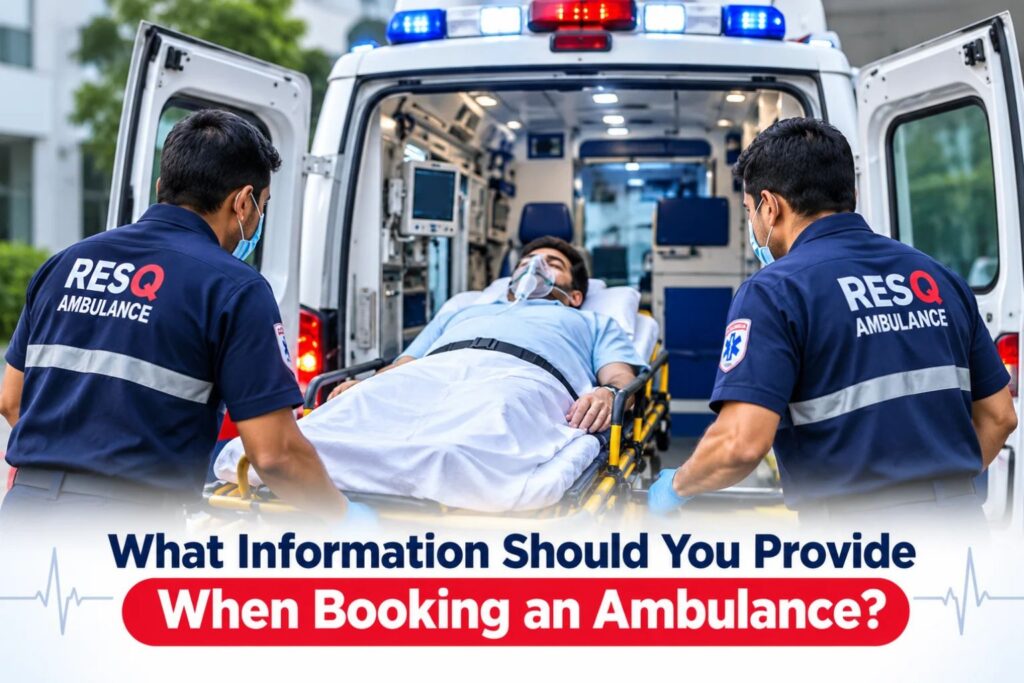
During a medical emergency, every second matters. When someone suddenly becomes ill, suffers an injury, or requires urgent hospital transportation, arranging an ambulance quickly is essential. However, booking an ambulance involves more than providing a phone number and an address. Sharing accurate information about the patient’s condition helps the ambulance provider arrange suitable transportation and prepare the necessary medical equipment.
Many people feel confused or anxious when calling an ambulance, especially when a loved one needs immediate medical attention. Knowing what details to communicate can make the booking process smoother and help emergency responders understand the situation before they arrive.
In this guide, we’ll explain the important information you should provide when booking an ambulance and how proper communication can support safer patient transportation.
1. Explain the Patient’s Medical Condition
The first thing you should explain is why the patient needs an ambulance.
Describe the symptoms or injury as clearly as possible. For example, tell the operator if the patient is experiencing chest pain, difficulty breathing, severe bleeding, a suspected stroke, or an injury following an accident.
Important details include:
- The patient’s main symptoms
- Whether the patient is conscious
- Whether the patient is breathing normally
- Whether there is severe bleeding
- Whether the condition started suddenly
- Whether the patient has an existing medical condition
Do not guess the diagnosis if you are unsure. Simply explain what you can observe.
If the patient is unconscious, is not breathing normally, or has another life-threatening condition, contact emergency services immediately and follow the dispatcher’s instructions.
2. Provide the Exact Pickup Location
Providing the correct pickup location helps the ambulance team reach the patient without unnecessary confusion.
Share the complete address, including:
- House or building number
- Street or sector
- Locality
- Nearby landmark
- Floor number, if applicable
- Gate or entrance details
If the location is difficult to find, explain how the ambulance can reach the entrance. You can also arrange for someone to wait outside and guide the team.
For people looking for an ambulance number in zirakpur, keeping the exact pickup address ready can make communication with the ambulance provider easier.
3. Share a Working Contact Number
Always provide a phone number on which you can be reached.
The ambulance team may need to call you for directions, clarification about the patient’s condition, or confirmation of the destination.
Keep your phone nearby and ensure that its volume is turned up. If possible, ask another family member to remain available as a backup contact.
Avoid switching off your phone while waiting for the ambulance.
4. Tell the Provider About the Patient’s Age
The patient’s age can help the ambulance provider understand the transportation requirements.
For example, infants, children, adults, and elderly patients may have different medical needs.
Mention whether the patient is:
- An infant or young child
- An adult
- An elderly person
- A patient recovering from surgery
- A bedridden patient
Age alone does not determine the ambulance type, but it is useful information when considered alongside the patient’s condition.
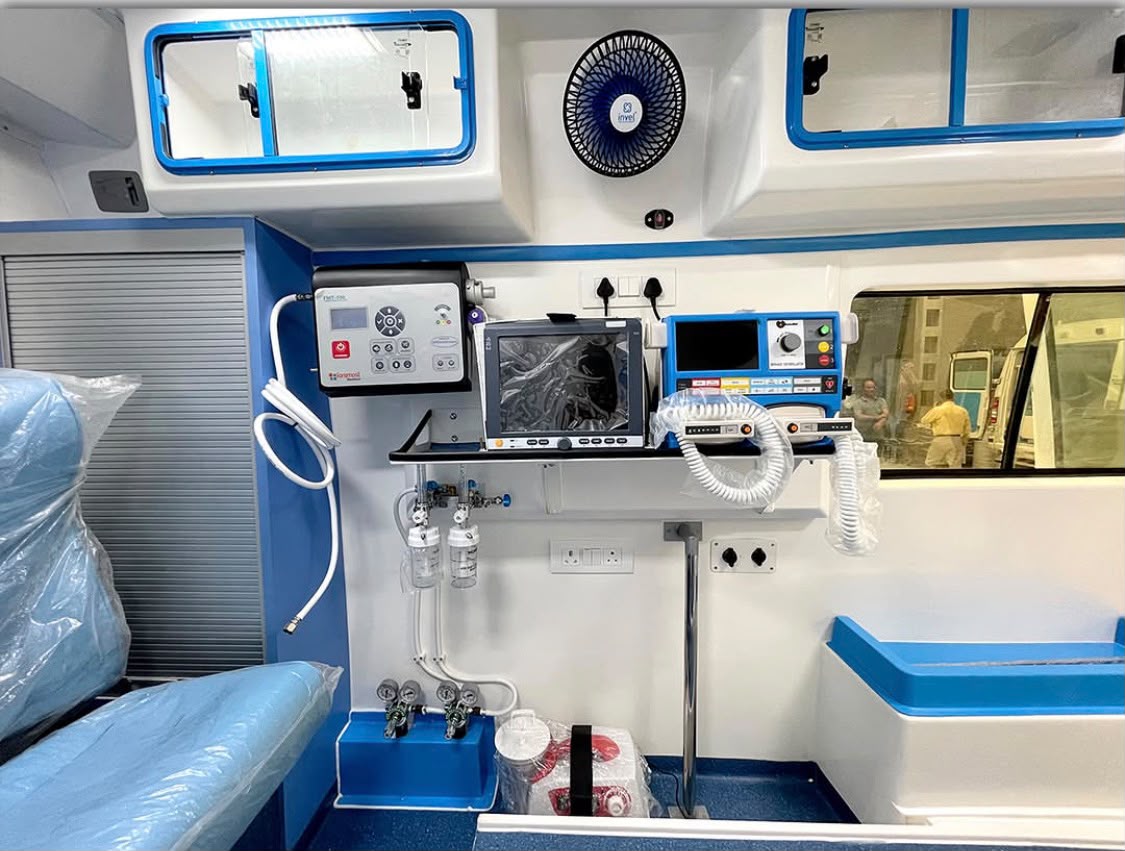
5. Explain Whether Oxygen or Ventilator Support Is Required
Some patients need specialized medical equipment during transportation.
Before confirming your booking, explain whether the patient requires:
- Supplemental oxygen
- Mechanical ventilation
- Cardiac monitoring
- Continuous medical observation
- Special positioning or stretcher assistance
If the patient is already receiving oxygen or ventilator support in a hospital, tell the provider about the current arrangement and the treating team’s recommendations.
For patients requiring advanced respiratory support, a suitable critical-care ambulance may be necessary. You can also read our previous blog, Understanding Ventilator Ambulances: When Are They Needed?, to learn more about ventilator-supported transportation.
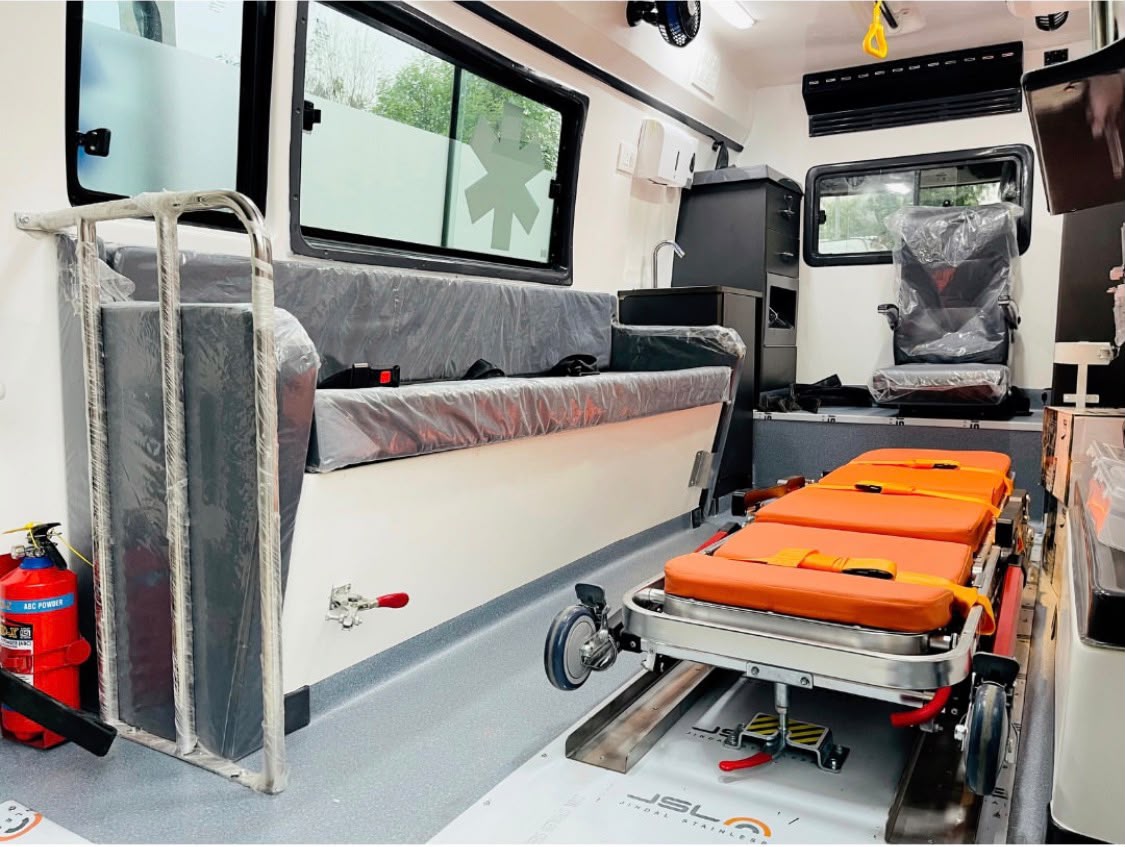
6. Mention Whether the Patient Can Walk or Sit
Not every patient can safely walk to the ambulance or sit in a regular vehicle.
Explain whether the patient:
- Can walk independently
- Needs help standing
- Requires a wheelchair
- Must remain on a stretcher
- Is bedridden
- Has a suspected spinal or neck injury
This information helps the ambulance team prepare for safe patient movement.
Never force an injured or seriously ill patient to stand or walk. If a spinal injury is suspected, avoid unnecessary movement and follow emergency medical instructions.
7. Confirm the Hospital or Destination
If the ambulance is taking the patient to a hospital, provide the hospital’s name and location.
For inter-hospital transfers, mention both the current facility and the receiving hospital.
This helps the provider understand the journey and plan the appropriate transportation arrangements.
Patients travelling for specialist treatment in Chandigarh can explore our ambulance service near PGI Chandigarh page. For transfers involving Government Medical College and Hospital, families can also visit our ambulance service near GMCH Sector 32 Chandigarh page.
If a doctor has recommended a particular hospital, share that information when booking.
8. Tell the Provider About Existing Medical Conditions
Existing medical conditions may affect the type of support required during transportation.
Inform the ambulance provider if the patient has a history of:
- Heart disease
- Diabetes
- Asthma or other respiratory conditions
- Stroke
- Seizures
- Recent surgery
- Serious allergies
Also mention any important medications the patient takes.
You do not need to provide a complete medical history during the first few seconds of an emergency call. Prioritize the immediate problem, then share other relevant details as requested.
9. Explain Whether It Is an Emergency or a Planned Transfer
Ambulances are used for different types of patient transportation.
These include:
- Emergency medical transportation
- Hospital discharge
- Inter-hospital transfers
- Scheduled medical appointments
- Long-distance patient transportation
- Transportation for patients with limited mobility
Clearly explain the purpose of your booking.
For a planned transfer, share the preferred pickup time, destination, expected travel distance, and any medical requirements in advance.
For an emergency, do not delay seeking help to collect every document or detail.
10. Ask About the Appropriate Ambulance Type
Different ambulances provide different levels of medical support.
Depending on the patient’s condition, options may include:
Basic Life Support (BLS) ambulance: Generally suitable for patients who need basic medical assistance and transportation.
Oxygen ambulance: Suitable for patients who require supplemental oxygen during transportation and whose condition does not require more advanced support.
ICU ambulance: Designed for critically ill patients who need advanced monitoring and intensive-care equipment.
Ventilator ambulance: Used for patients who require mechanical breathing support during transportation.
The most appropriate option depends on the patient’s medical condition and the advice of the treating doctor or ambulance provider.
For additional information, read How to Choose the Right Ambulance for a Medical Emergency.
11. Ask About Medical Staff and Equipment
Before confirming a non-emergency booking, ask what medical support is available in the ambulance.
Depending on the patient’s requirements, you may need to confirm the availability of:
- Trained paramedics
- Oxygen equipment
- Patient monitoring devices
- Stretcher or wheelchair assistance
- Ventilator support
- Critical-care professionals
Do not assume that every ambulance has the same equipment or staffing. Confirm the specific requirements before the journey begins.
12. Keep Medical Documents Ready
For hospital transfers and planned transportation, keep relevant documents available.
These may include:
- Doctor’s prescription
- Discharge summary
- Medical reports
- Current medication list
- Allergy information
- Recent diagnostic reports
- Receiving hospital details
Organizing these documents can help the receiving medical team understand the patient’s condition.
For more preparation tips, read How to Prepare a Patient for Safe Ambulance Transportation.
Common Mistakes to Avoid When Booking an Ambulance
A few common mistakes can make the booking process more difficult.
Avoid:
- Giving an incomplete pickup address
- Describing symptoms inaccurately
- Forgetting to mention oxygen or ventilator requirements
- Assuming every ambulance provides ICU-level care
- Keeping your phone unavailable
- Delaying an emergency call while collecting paperwork
- Moving an injured patient unnecessarily
The most important priority during a serious emergency is to seek appropriate medical help without delay.
How RESQ Ambulance Can Help
Choosing a suitable ambulance service helps patients receive transportation appropriate to their needs. RESQ Ambulance serves patients requiring emergency assistance, hospital transfers, and other patient transportation services across the Tricity region.
If you need an ambulance service in zirakpur, provide the pickup address, patient’s condition, and destination when contacting the provider.
RESQ Ambulance also serves patients looking for an ambulance service chandigarh, an ambulance service in mohali, an ambulance service in panchkula, or an ambulance service in kharar.
Sharing accurate information allows the provider to understand the request and determine which ambulance and level of support may be appropriate.
Frequently Asked Questions
What is the most important information to provide when booking an ambulance?
Explain the patient’s condition, exact pickup location, contact number, and destination. Also mention whether the patient is conscious, breathing normally, or requires specialized medical support.
Should I tell the ambulance provider if the patient needs oxygen?
Yes. Always mention oxygen requirements before a planned booking. If the patient needs ventilator support or intensive care, communicate this clearly as well.
Can I book an ambulance for hospital discharge?
Yes. Ambulances can be arranged for patients who need assistance travelling home after hospitalization. Explain whether the patient is bedridden, needs a wheelchair, or requires medical support.
Should I provide medical documents during an emergency?
Provide them if they are readily available, but never delay emergency assistance to collect paperwork. Medical documents are particularly useful for planned transfers and hospital discharge.
How can I help an ambulance find my location?
Provide the complete address, nearby landmarks, building or gate details, and a working phone number. If possible, arrange for someone to guide the ambulance from outside.
How do I know which type of ambulance to book?
The patient’s condition and required level of medical support determine the appropriate ambulance. Consult the treating doctor or ambulance provider if you are unsure.
Conclusion
Booking an ambulance becomes easier when you know which details to communicate. Explaining the patient’s condition, providing an accurate location, sharing special medical requirements, and confirming the destination can help the provider prepare for the journey.
During a life-threatening emergency, contact emergency services immediately and follow their instructions. For planned patient transportation, preparing the relevant information in advance can help make the transfer more organized and comfortable.