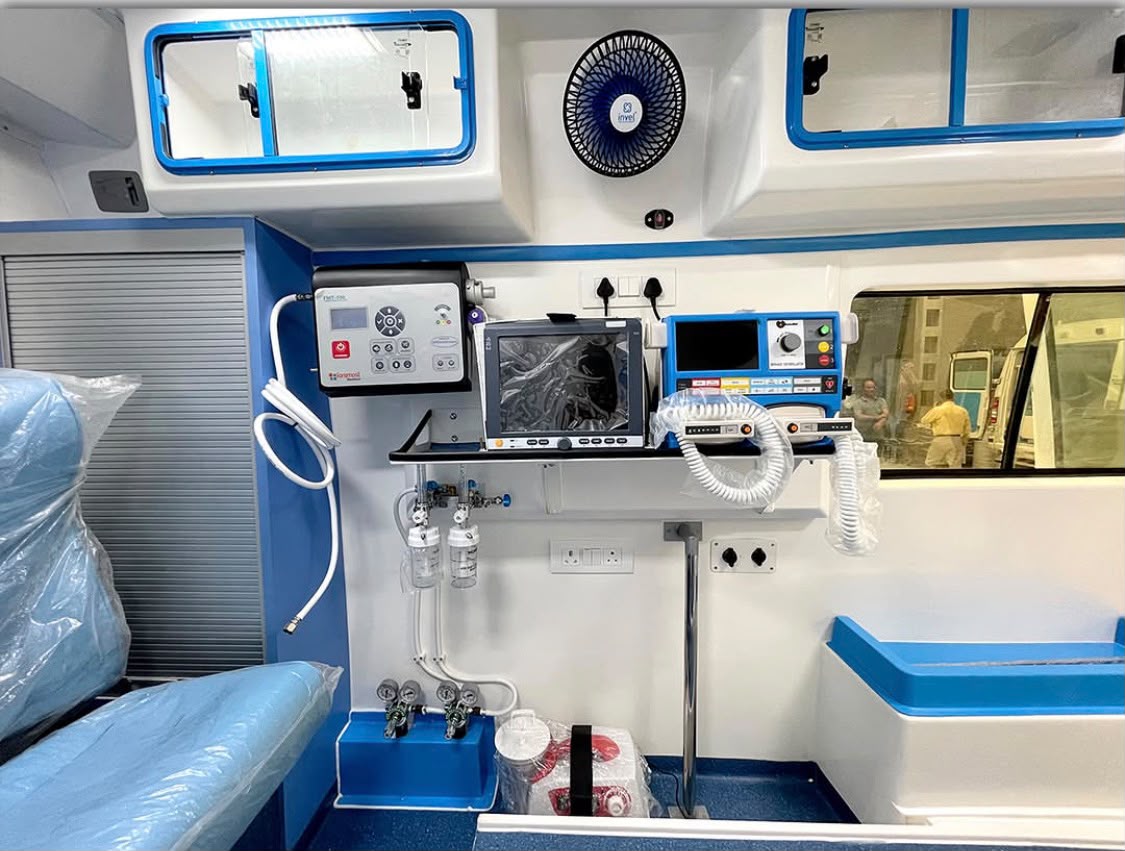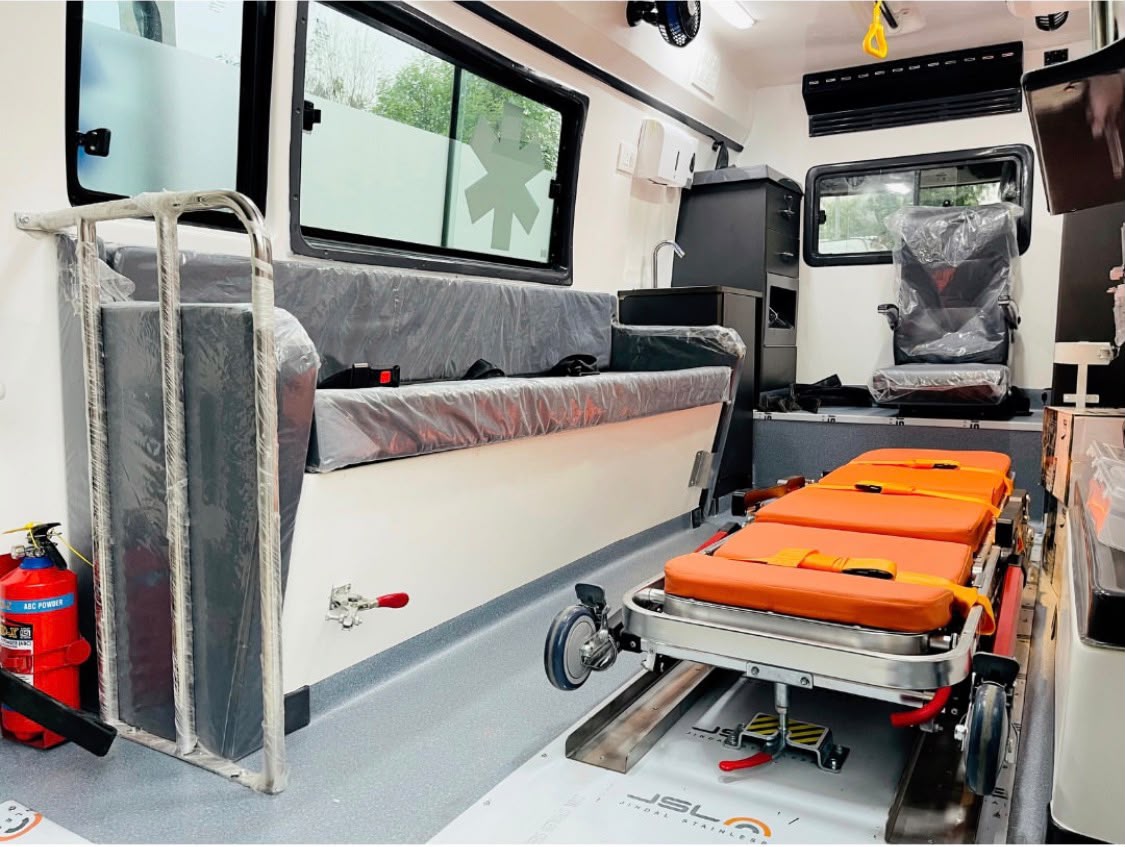


Patients with limited mobility may need extra assistance when travelling to a hospital, attending a medical appointment, or returning home after treatment. Walking difficulties, weakness, injuries, disabilities, and recovery after surgery can make ordinary transportation uncomfortable or unsafe.
Professional ambulance transportation can help patients travel with suitable assistance based on their medical and mobility needs. Planning ahead, sharing accurate information, and choosing an appropriate vehicle can make the journey more manageable for patients and their families.
What Is Ambulance Transportation for Patients With Limited Mobility?
Ambulance transportation for patients with limited mobility involves helping people who cannot easily walk, stand, transfer between seats, or travel safely in a regular vehicle.
Depending on the patient’s condition, assistance may include a stretcher, wheelchair handling, safe transfers, and support from trained personnel. The right arrangements depend on whether the patient needs routine transportation or medical monitoring during the journey.
Which Patients May Need Special Transportation Assistance?
1. Elderly Patients
Older adults may experience reduced strength, balance difficulties, joint pain, or fatigue. A suitable ambulance can help reduce the physical effort involved in travelling to appointments or returning home after hospital treatment.
2. Patients Recovering From Surgery
Following surgery, patients may have restrictions on walking, bending, or putting weight on certain parts of the body. Families should follow discharge instructions and ask the healthcare team what type of transport is appropriate.
3. Wheelchair Users
Some wheelchair users need assistance transferring to a stretcher or ambulance seat. Before booking, confirm whether the vehicle can accommodate the patient’s mobility equipment and whether a suitable transfer method is available.
4. Patients With Fractures or Injuries
Patients with fractures, severe pain, or movement restrictions may need careful handling during transportation. If a serious injury is suspected, avoid moving the person unnecessarily and seek emergency medical assistance.
5. Patients With Neurological or Physical Disabilities
People with conditions affecting coordination, muscle strength, or movement may require additional support when entering or leaving a vehicle. Explain the patient’s specific needs when arranging transportation.
How to Choose the Right Ambulance
Selecting the right vehicle starts with understanding the patient’s requirements.
- Assess mobility needs: Explain whether the patient can walk short distances, sit upright, or transfer independently.
- Confirm the equipment: Ask whether a stretcher, wheelchair access, or other relevant equipment is available.
- Discuss medical support: Inform the provider if the patient needs oxygen, monitoring, or clinical supervision.
- Share the route: Give the pickup and destination addresses, including information about stairs, narrow entrances, or difficult access.
- Plan the timing: For routine appointments and planned discharges, book ahead where possible. Do not delay emergency care to make advance arrangements.
For further guidance, read [How to Choose the Right Ambulance for a Medical Emergency] and [How to Prepare a Patient for Safe Ambulance Transportation].
Preparing a Patient Before the Ambulance Arrives
A few practical steps can help the transfer proceed more smoothly.
Keep Medical Documents Ready
Prepare discharge papers, prescriptions, recent medical reports, and details of any mobility restrictions. Keep these items accessible without delaying urgent transport.
Explain Movement Restrictions
Tell the ambulance team whether the patient must avoid putting weight on a leg, keep their back straight, or follow other instructions from the treating clinician.
Prepare the Pickup Area
Where possible, clear loose rugs, obstacles, and unnecessary furniture from the route between the patient and the exit. Make sure the entrance is accessible.
Pack Essential Items
For a planned transfer, bring prescribed medicines, mobility aids, and other essentials recommended by the healthcare team.
For more practical advice, see [What to Do While Waiting for an Ambulance to Arrive].
Why Professional Ambulance Transportation Can Be Helpful
A suitable ambulance service can provide a more structured transport arrangement than relying on an ordinary car when a patient has significant mobility limitations.
Potential benefits include:
- Assistance appropriate to the patient’s mobility needs
- Equipment designed for patient transportation
- Better planning for difficult transfers and access restrictions
- The option of medical support when clinically required
- A transport arrangement tailored to the patient’s condition
However, not every ambulance offers wheelchair access, the same transfer equipment, or the same level of clinical care. Always confirm the actual facilities available before booking.
Arranging Ambulance Transportation Across the Tricity
Families arranging a patient transfer can look for a provider that understands the pickup location, destination, and assistance required.
For patients travelling from Zirakpur, an ambulance service in zirakpur search may help identify local options. Families in Kharar can explore a kharar ambulance provider, while those arranging transport from Chandigarh can check an ambulance service chandigarh option.
For transfers involving specialist care, you can also review RESQ Ambulance’s ambulance service near PGI Chandigarh and ambulance service near GMCH Sector 32 Chandigarh pages.
Patients in Mohali can ask about an ambulance number in mohali, while families arranging transport from Panchkula can enquire with an ambulance service in panchkula provider about the patient’s specific needs.
Before confirming a booking, explain the patient’s mobility level and verify whether the service can safely accommodate the required transfer.
Frequently Asked Questions
1. Can an ambulance transport a patient who cannot walk?
Yes, if the ambulance and transfer arrangements are suitable for the patient’s condition. Tell the provider whether the patient needs a stretcher, wheelchair assistance, or additional medical support.
2. Can an ambulance be arranged for a hospital discharge?
Yes. For planned discharges, coordinate with the hospital team and confirm the appropriate vehicle, transfer assistance, and destination access.
3. Should I book an ambulance for a wheelchair user?
It depends on the patient’s needs and the vehicle’s capabilities. Confirm wheelchair accommodation, transfer requirements, and whether the patient can safely sit during the journey.
4. What should I tell the ambulance provider?
Explain the patient’s mobility limitations, medical condition, movement restrictions, pickup and destination details, and any equipment or clinical support needed.
5. Is a regular ambulance suitable for every patient with limited mobility?
No. Some patients need only transportation assistance, while others may require specialised equipment or medical monitoring. The appropriate option depends on the patient’s condition.
Conclusion
Arranging transportation for someone with limited mobility requires careful planning and clear communication. By explaining the patient’s condition, confirming the available equipment, and following medical instructions, families can make better-informed decisions about patient transport.
For planned hospital visits, transfers, or discharges, contact RESQ Ambulance.