
Leaving the hospital after surgery is an important part of recovery, but getting home safely can sometimes be challenging. Patients may feel weak, experience pain, have limited mobility, or require medical support even after being discharged.
For some patients, traveling in a private car may not be comfortable or safe. A professional ambulance provides trained assistance, appropriate patient handling, and medical equipment that can make the journey more secure.
Whether the patient is going home after a minor procedure or requires continued care after a major operation, choosing suitable medical transportation can help reduce unnecessary physical strain.
Why Transportation After Surgery Requires Care
After surgery, patients may have difficulty sitting, standing, or walking normally. Certain procedures can also require careful positioning during transportation.
Common challenges include:
- Post-operative weakness
- Pain or discomfort
- Limited movement
- Surgical wounds
- Dizziness
- Need for oxygen
- Risk of falls
- Requirement for stretcher transportation
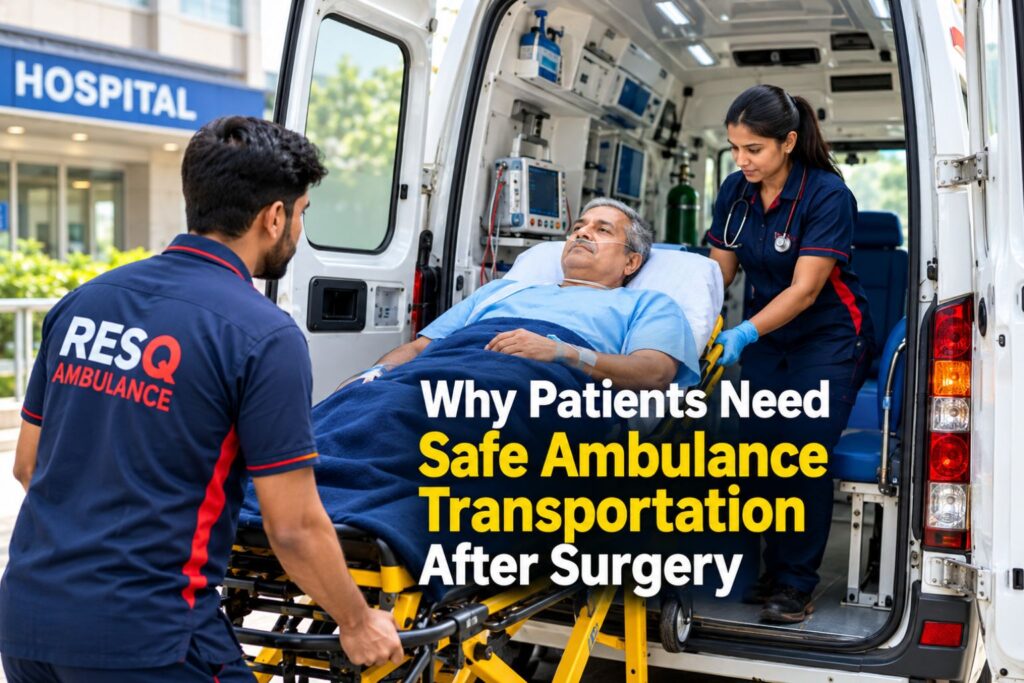
Professional ambulance teams are trained to move patients carefully and reduce unnecessary movement.
If you need reliable ambulance zirakpur, RESQ Ambulance provides patient transportation with trained staff and appropriate medical equipment.
When Is an Ambulance Recommended After Surgery?
An ambulance may be useful when a patient:
- Cannot walk safely
- Cannot sit comfortably in a private vehicle
- Requires a stretcher
- Needs oxygen support
- Has significant weakness
- Has recently undergone major surgery
- Needs monitoring during transportation
- Is being transferred to another medical facility
The treating doctor can also advise whether an ambulance is appropriate for the patient’s condition.
Safe Stretcher Transportation
Patients recovering from surgery may not be able to climb into a car safely.
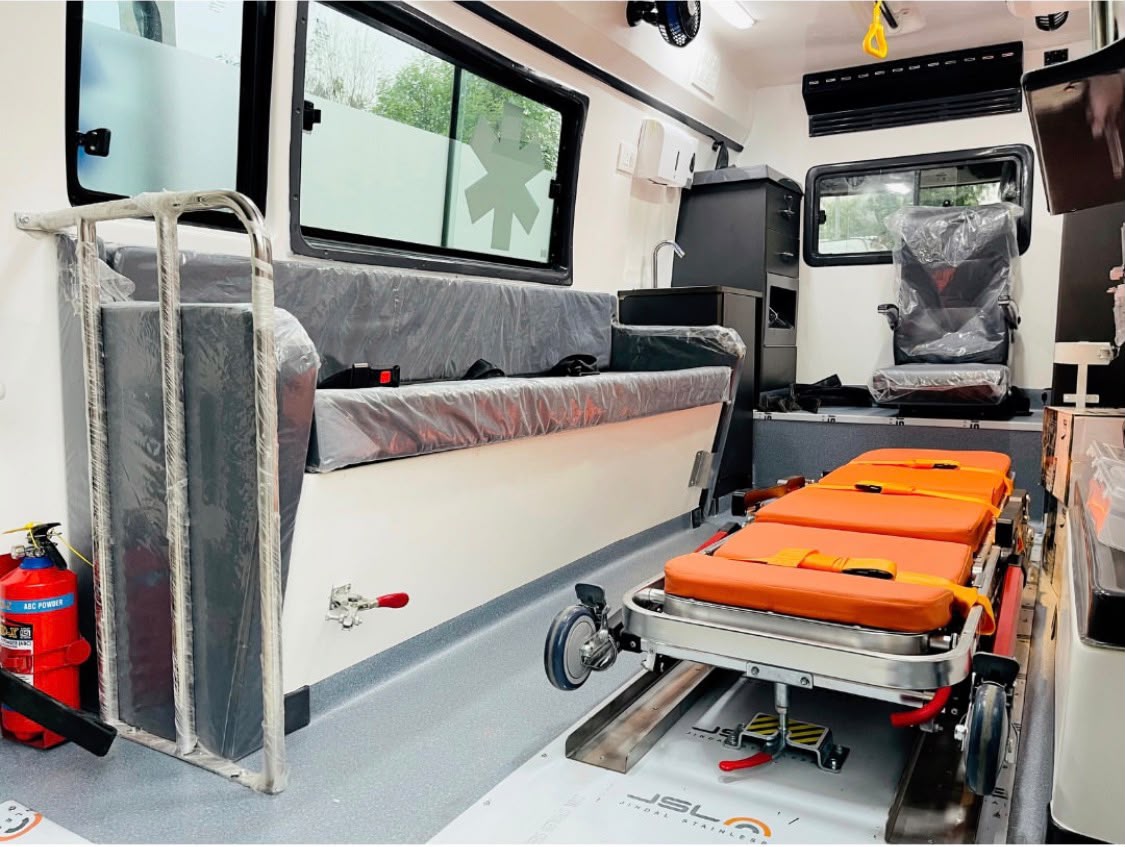
An ambulance stretcher allows the patient to remain in a supported position during transportation.
Professional staff can assist with:
- Moving the patient from the hospital bed
- Transferring the patient to the stretcher
- Securing the patient safely
- Moving the patient into the ambulance
- Transferring the patient at the destination
This reduces unnecessary physical effort.
Wheelchair Transportation After Surgery
Some patients can sit and move with assistance but cannot walk long distances.
Wheelchair transportation can be useful for these patients.
The ambulance team can help the patient move safely from the hospital to the ambulance and from the ambulance to the destination.
Oxygen Support When Required
Some patients may require supplemental oxygen after surgery because of their medical condition.
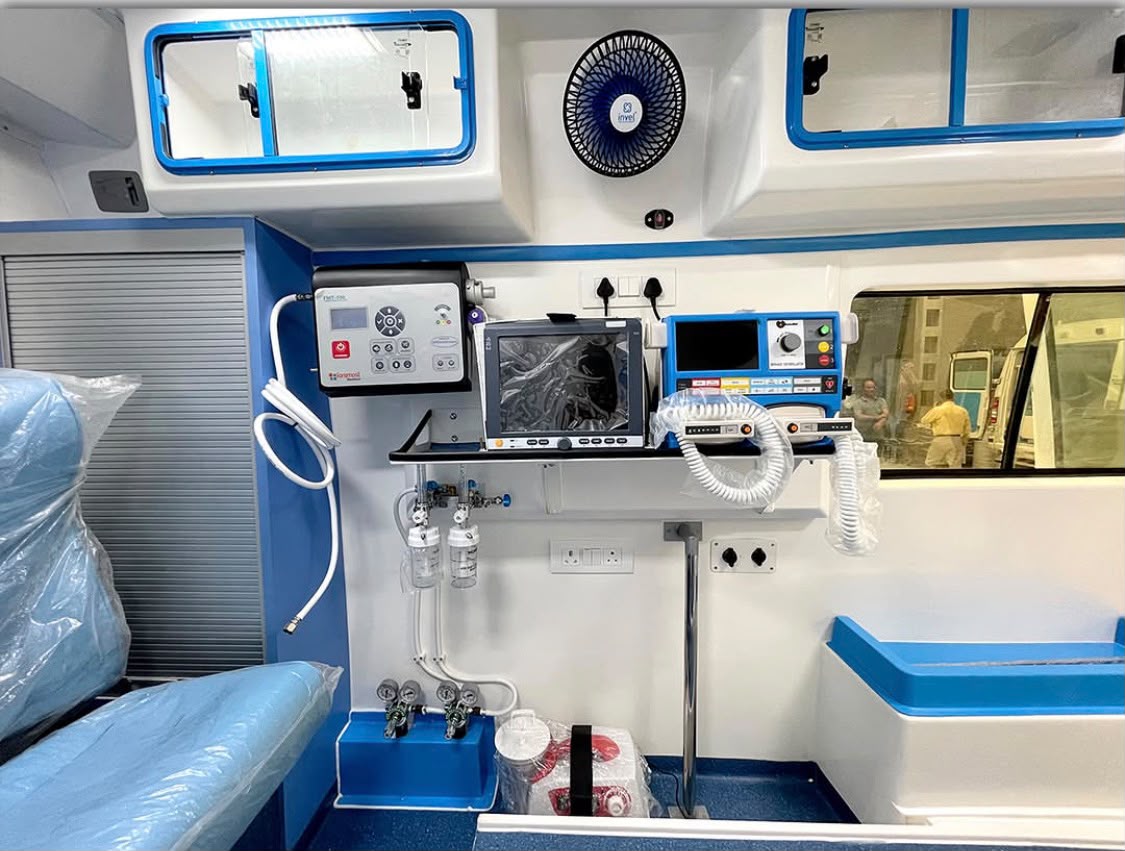
An appropriate ambulance can provide oxygen support throughout transportation when medically required.
Patients and families should inform the ambulance provider about oxygen requirements before booking.
For more information, read Why Oxygen Ambulances Are Essential During Medical Emergencies.
Hospital-to-Home Transportation
Many patients need ambulance transportation after being discharged from the hospital.
This can be particularly useful for:
- Elderly patients
- Bedridden patients
- Patients recovering from major surgery
- Patients with fractures
- Patients requiring oxygen
- Patients with limited mobility
A professional ambulance can transport the patient directly from the hospital to their home while providing appropriate assistance.
Hospital-to-Hospital Transfers
Sometimes a patient needs to continue treatment at another hospital after surgery.
Reasons may include:
- Specialist consultation
- Further surgery
- Rehabilitation
- Diagnostic procedures
- Specialized treatment
- Intensive care
The ambulance should be selected according to the patient’s current medical condition and the level of support required.
For patients traveling around major Chandigarh hospitals, RESQ Ambulance also provides ambulance service near PGI Chandigarh and ambulance service near GMCH Sector 32 Chandigarh.
How Ambulance Staff Help Post-Surgery Patients
Trained ambulance staff can assist with:
- Patient movement
- Stretcher transfers
- Wheelchair transfers
- Basic monitoring
- Oxygen administration when required
- Positioning during transportation
This support can make the journey more comfortable for patients and reduce the physical burden on family members.
Preparing the Patient Before Transportation
Before the ambulance arrives, families should keep important medical information ready.
Prepare:
- Discharge summary
- Prescriptions
- Medical reports
- Medication list
- Doctor’s instructions
- Identification documents
- Follow-up appointment details
For more preparation advice, read How to Prepare a Patient for Safe Ambulance Transportation.
Keep the Home Ready
If the patient is returning home after surgery, prepare the route from the entrance to the patient’s room.
Remove:
- Loose rugs
- Furniture blocking the pathway
- Other obstacles
Keep the patient’s bed or recovery area ready before the ambulance arrives.
If the patient requires wheelchair or stretcher access, ensure there is sufficient space near the entrance.
Choosing the Right Ambulance
Not every post-surgery patient requires the same level of medical transportation.
A stable patient may require basic patient transportation, while a patient with complications may require oxygen, advanced monitoring, or critical-care support.
Possible options include:
- Basic Life Support ambulance
- Oxygen ambulance
- Advanced Life Support ambulance
- ICU ambulance
- Ventilator ambulance
If you’re uncertain, discuss the patient’s condition with the treating doctor or ambulance provider.
You can also read How to Choose the Right Ambulance for a Medical Emergency.
Why a Private Car May Not Be Suitable
A private car can be difficult for patients who cannot sit comfortably or require assistance throughout the journey.
Problems may include:
- Difficult patient entry and exit
- Lack of stretcher support
- No medical equipment
- No trained medical staff
- Limited space
- Difficulty managing sudden medical problems
A professional ambulance is specifically designed for medical transportation.
Ambulance Transportation for Elderly Surgical Patients
Older adults may need additional assistance after surgery.
They may experience:
- Weakness
- Balance problems
- Reduced mobility
- Existing heart or respiratory conditions
- Difficulty walking
For these patients, professional ambulance transportation can provide safer movement and greater comfort.
Benefits of Professional Post-Surgery Transportation
Using a professional ambulance can provide:
- Safe patient handling
- Stretcher transportation
- Wheelchair assistance
- Oxygen support when required
- Trained medical staff
- Appropriate monitoring
- Comfortable transportation
- Reduced risk of falls and unnecessary movement
These benefits can make the transition from hospital to home or another healthcare facility easier.
RESQ Ambulance also provides trusted ambulance service in kharar, ambulance service chandigarh, ambulance mohali, and ambulance number in panchkula for emergency and patient transportation across the Tricity region.
Frequently Asked Questions
Is an ambulance necessary after surgery?
Not every patient needs an ambulance. However, it can be appropriate for patients who cannot walk, need a stretcher, require oxygen, or need medical assistance during transportation.
Can an ambulance take a patient directly home after discharge?
Yes. Hospital discharge ambulances can transport patients from the hospital directly to their home.
Can a post-surgery patient travel in a wheelchair?
Yes, if the patient’s condition allows it. A professional ambulance team can assist with wheelchair transfers.
Should I tell the ambulance provider about the surgery?
Yes. Provide information about the type of surgery, patient’s current condition, mobility, oxygen requirements, and any special instructions.
What documents should be carried after surgery?
Keep the discharge summary, prescriptions, medical reports, medication information, identification documents, and follow-up instructions ready.
Conclusion
Safe transportation is an important part of post-surgery recovery. Patients who are weak, bedridden, unable to walk, or in need of medical support may benefit from professional ambulance transportation instead of using a private vehicle.
With trained staff, appropriate patient-handling equipment, oxygen support when required, and suitable transportation options, a professional ambulance can help patients travel safely from the hospital to home or another healthcare facility.