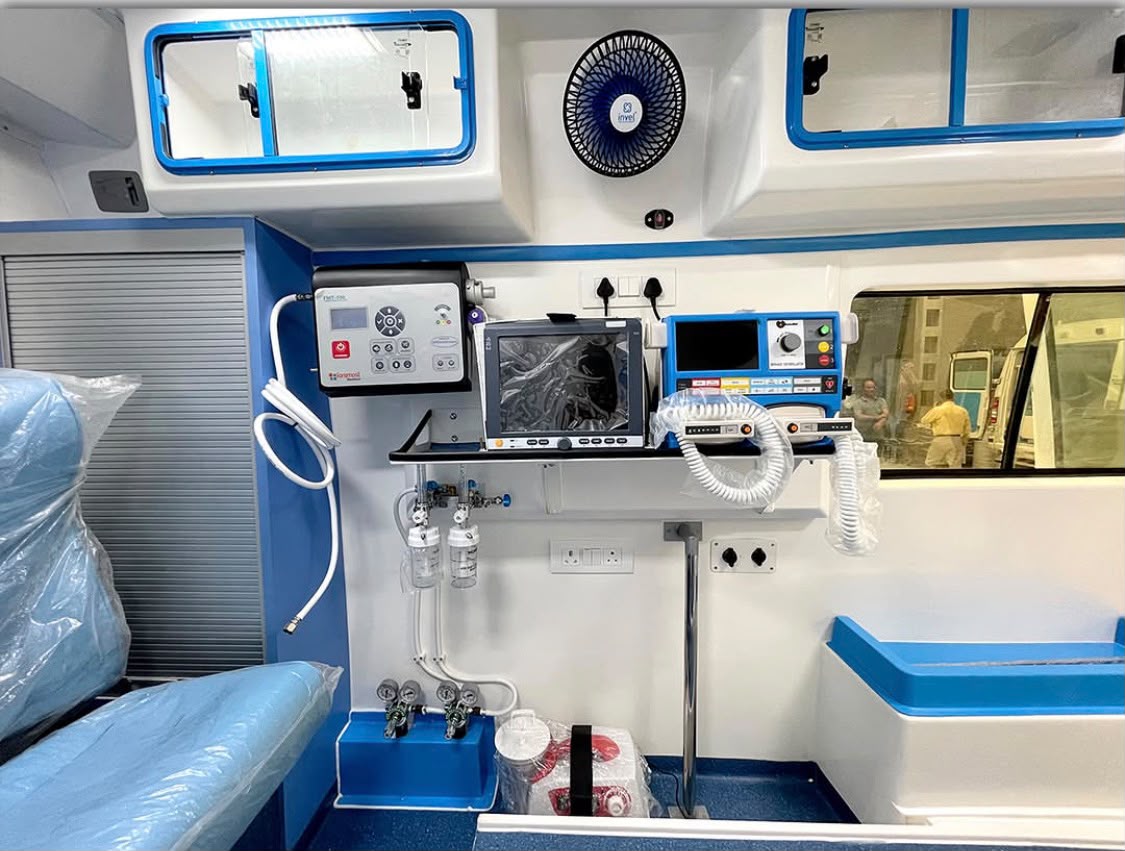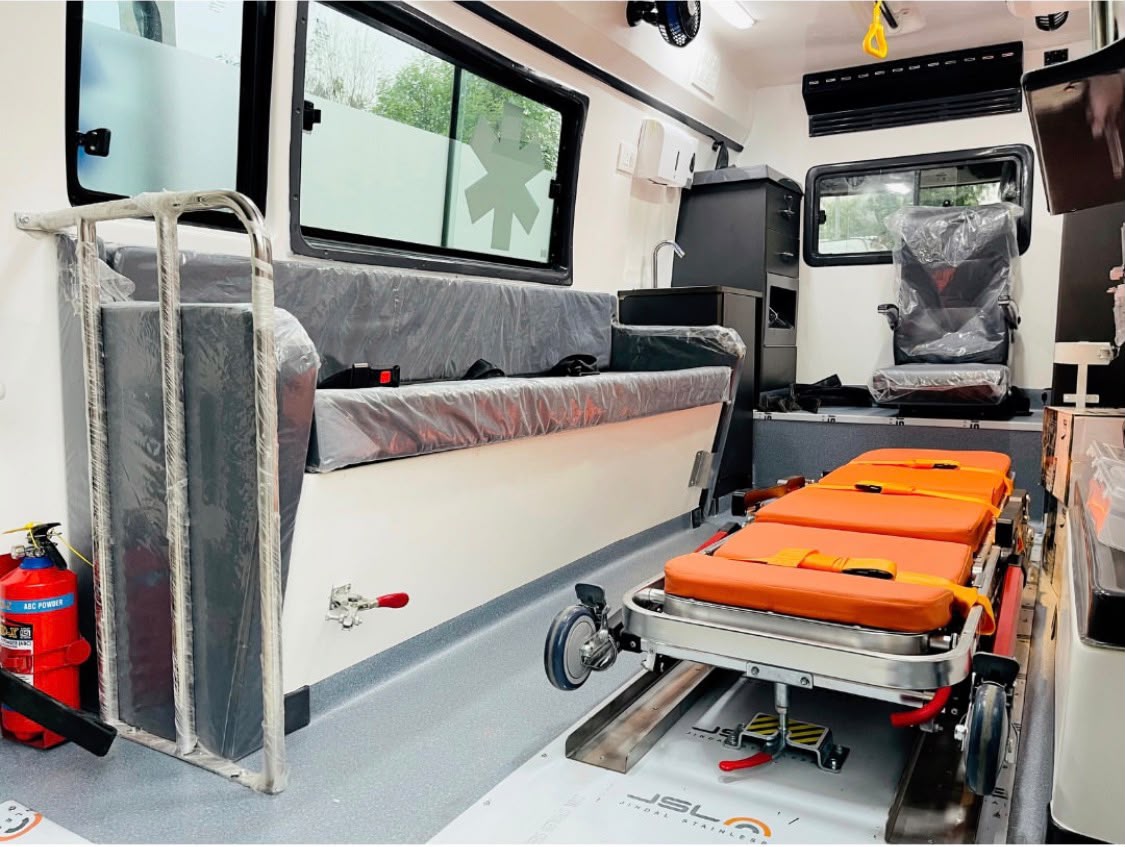


The ambulance journey does not end when the patient reaches the hospital. The handover from the ambulance team to the receiving medical staff is an important part of patient transportation.
During this process, information about the patient’s condition, treatment, medicines, vital signs, and events during transportation needs to be communicated clearly. Proper communication can help the hospital team understand what happened before arrival and continue appropriate care without unnecessary confusion or delays.
The World Health Organization emphasizes structured communication, documentation, and coordination between transferring and receiving healthcare teams as important elements of safe patient transfers.
What Is an Ambulance Handover?
An ambulance handover is the process of transferring responsibility and important patient information from the ambulance team to the healthcare professionals at the receiving facility.
The handover may include information about:
- Patient identity
- Medical condition
- Reason for transportation
- Vital signs
- Treatment provided
- Medicines administered
- Oxygen requirements
- Changes during transportation
- Relevant medical history
A clear handover helps the receiving team understand the patient’s situation quickly.
Why Is a Proper Handover Important?
Patients can sometimes experience changes in their condition during transportation.
The receiving hospital needs to know what happened before arrival so that medical care can continue appropriately.
A proper handover can help:
- Reduce communication errors
- Prevent missing important information
- Improve continuity of care
- Reduce unnecessary delays
- Support appropriate treatment decisions
WHO guidance also recommends formal handover and appropriate documentation during patient transfers.
Information That Should Be Shared
The ambulance team should communicate relevant information about the patient.
This can include:
- Patient’s name and age
- Medical complaint
- Known diagnosis
- Current symptoms
- Vital signs
- Allergies
- Current medications
- Treatment given
- Oxygen or ventilator support
- Any changes during transport
The exact information depends on the patient’s condition and the level of care provided.
Medical Documents Should Accompany the Patient
Important documents should travel with the patient whenever appropriate.
These may include:
- Referral documents
- Medical reports
- Prescriptions
- Diagnostic reports
- Imaging results
- Discharge summaries
- Medication information
The receiving team can use these records alongside the verbal handover to understand the patient’s medical history.
Communication Is Especially Important During Hospital Transfers
Inter-hospital transfers can involve several healthcare professionals and facilities.
For example, a patient may be moved from a smaller hospital to a facility with specialist or intensive-care services.
In such cases, the receiving hospital should know:
- Why the patient is being transferred
- What treatment has already been provided
- What the patient’s current condition is
- What support is required
- Which medical records are being transferred
WHO’s interfacility transfer guidance specifically emphasizes reviewing the patient’s condition, treatment, documentation, equipment, medications, and receiving-facility arrangements before and during transfer.
The Role of the Ambulance Team
The ambulance team is responsible for maintaining appropriate patient care during transportation according to the patient’s needs and the service provided.
This may involve:
- Monitoring the patient
- Maintaining oxygen support
- Providing appropriate emergency care
- Securing the patient safely
- Recording relevant information
- Communicating changes in condition
- Giving a structured handover at arrival
For a patient requiring ambulance service in zirakpur, choosing a professional ambulance provider can help ensure that the transportation and handover are handled systematically.
What Families Can Do
Family members can also help make the hospital handover smoother.
Keep the following information available:
- Patient’s medical history
- Current medications
- Allergies
- Doctor’s contact details
- Previous reports
- Insurance information
- Emergency contact information
If the patient is unable to communicate, a family member can provide useful background information to the medical team.
Keep the Receiving Hospital Informed
For planned transfers, the receiving hospital should ideally be informed before the patient leaves the current facility.
This allows the destination team to prepare for the patient’s arrival.
The process may include:
- Confirming acceptance of the patient
- Identifying the appropriate department
- Arranging a bed when required
- Preparing equipment
- Informing the relevant medical team
Proper coordination can reduce unnecessary waiting after the ambulance reaches the hospital.
Handover for Critical Patients
Critically ill patients require particularly careful communication.
The receiving team may need information about:
- Airway status
- Breathing
- Circulation
- Oxygen or ventilator support
- Medications
- Infusions
- Vital signs
- Recent changes
- Emergency interventions
The level of information should match the patient’s condition and the care being provided.
Oxygen and Ventilator Information
If a patient is receiving oxygen or ventilator support, this information should be clearly communicated during handover.
The receiving team should understand:
- Type of respiratory support
- Current requirement
- Changes during transportation
- Relevant monitoring information
This is particularly important when transferring patients who require advanced respiratory support.
Handover After a Long-Distance Transfer
Long-distance transportation can involve several hours of travel.
During such transfers, the receiving hospital may need information about changes that occurred throughout the journey.
The ambulance team can communicate:
- Patient’s condition at departure
- Important changes during travel
- Treatment provided
- Medication given
- Current condition on arrival
Hospital Handover Near Major Medical Centres
Patients traveling to major hospitals may require careful coordination because they could be referred for specialized treatment.
For patients requiring transportation around PGI, RESQ Ambulance provides ambulance service near PGI Chandigarh.
Similarly, patients traveling to or from GMCH Sector 32 can arrange ambulance service near GMCH Sector 32 Chandigarh for appropriate patient transportation.
What Happens After Handover?
Once the receiving medical team has accepted the patient, responsibility for ongoing hospital care moves to that team.
The hospital may then:
- Reassess the patient
- Review medical records
- Check vital signs
- Continue treatment
- Order additional tests
- Admit the patient to the appropriate department
A well-organized handover gives the receiving team a clearer starting point.
Why Professional Ambulance Services Matter
Professional ambulance transportation involves more than simply driving a patient to a hospital.
A properly equipped ambulance service can support:
- Patient assessment
- Safe transportation
- Medical monitoring
- Oxygen support
- Emergency care
- Documentation
- Hospital communication
For families looking for ambulance service Chandigarh, it is important to choose a provider capable of handling the patient’s specific medical requirements.
Preparing for a Planned Transfer
For non-emergency hospital transfers, families can help by preparing in advance.
Before departure:
- Confirm the destination hospital.
- Organize medical records.
- Prepare current medicines.
- Inform the ambulance provider about the patient’s condition.
- Confirm oxygen or other equipment requirements.
- Keep emergency contacts available.
Good preparation can make the transfer more organized for everyone involved.
When Specialized Ambulance Support Is Needed
Not every patient requires the same level of transportation.
Depending on the condition, a patient may require:
- Basic Life Support ambulance
- Oxygen ambulance
- Advanced Life Support ambulance
- ICU ambulance
- Ventilator ambulance
The appropriate option should be based on the patient’s medical condition and the advice of the treating healthcare team.
RESQ Ambulance also provides ambulance service in mohali and ambulance service panchkula for different patient transportation and emergency requirements.
Frequently Asked Questions
What is an ambulance handover?
An ambulance handover is the communication of the patient’s condition, treatment, and relevant medical information from the ambulance team to the receiving hospital team.
Why is ambulance handover important?
It helps the receiving medical team understand the patient’s condition and continue appropriate care without unnecessary information gaps.
What documents should accompany a patient?
Relevant medical reports, prescriptions, referral documents, diagnostic reports, and medication information should accompany the patient when available.
Is handover important for long-distance transfers?
Yes. Long-distance transfers can involve changes in the patient’s condition, making clear communication at the destination particularly important.
Can family members participate in the handover?
Yes. Family members can provide useful information about medical history, medications, allergies, and other relevant details when appropriate.
Conclusion
A safe ambulance journey includes more than getting the patient to the hospital. The final handover is an important part of the transfer because it allows the receiving medical team to understand the patient’s condition, treatment, and transportation history.
Clear communication, proper documentation, and coordination between healthcare teams can help reduce delays and support continuity of care.
For patients requiring professional transportation, choosing an ambulance service with appropriate equipment and trained staff can make the entire transfer process more organized and reliable.