
A stroke is a medical emergency that requires prompt assessment and treatment. When someone suddenly develops weakness, difficulty speaking, facial drooping, confusion, or other possible stroke symptoms, getting appropriate medical help quickly is important.
Transporting a suspected stroke patient in a private vehicle may make it difficult to monitor their condition or respond if their health changes during the journey. A professional ambulance provides trained medical personnel, appropriate equipment, and safer transportation to a medical facility.
This article explains how ambulance services can support stroke patients during emergency transportation and what families should know when arranging medical help.
Recognizing Possible Stroke Symptoms
Stroke symptoms can appear suddenly. Common warning signs include:
- Facial drooping
- Weakness or numbness, particularly on one side
- Difficulty speaking or understanding speech
- Sudden vision problems
- Sudden dizziness or loss of balance
- Severe, sudden headache
If these symptoms appear, seek emergency medical attention immediately.
Do not wait for symptoms to disappear on their own.
Why Fast Medical Assessment Matters
Some stroke treatments are time-sensitive. The appropriate treatment depends on the type of stroke, how long symptoms have been present, and the patient’s medical condition.
When calling an ambulance, provide the emergency operator with:
- The patient’s symptoms
- Approximate time symptoms started
- Patient’s age
- Current location
- Any known medical conditions
- Current medications
This information can help emergency teams prepare for the patient’s arrival.
For emergency transportation, RESQ Ambulance provides ambulance service in zirakpur with trained personnel and appropriate medical equipment.
Why Ambulance Transportation Can Be Safer
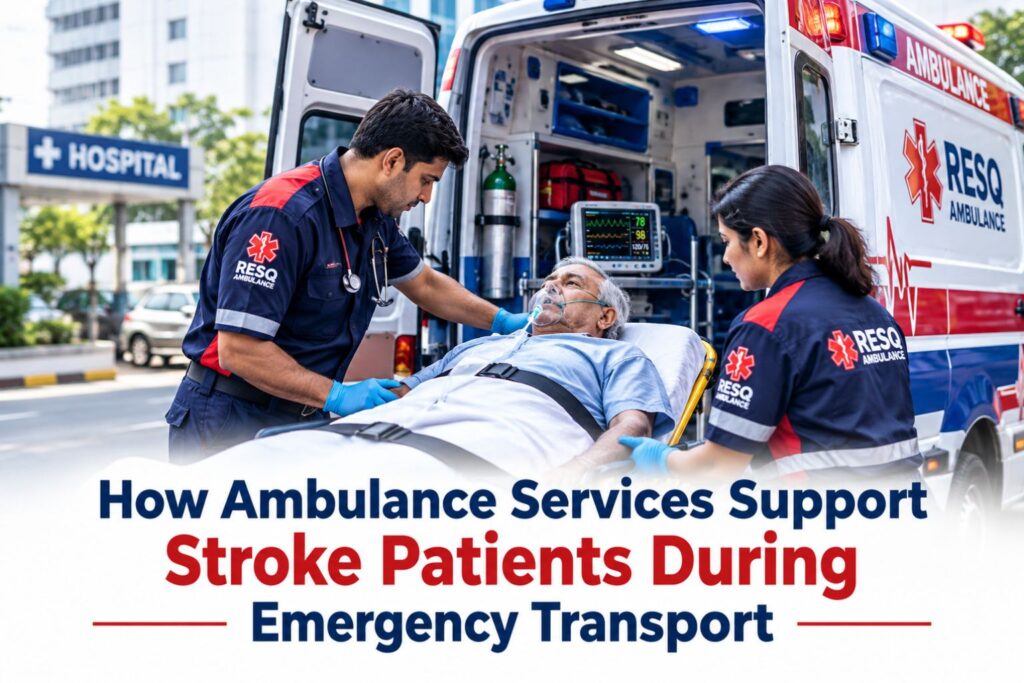
A professional ambulance allows the patient to be transported while receiving medical observation.
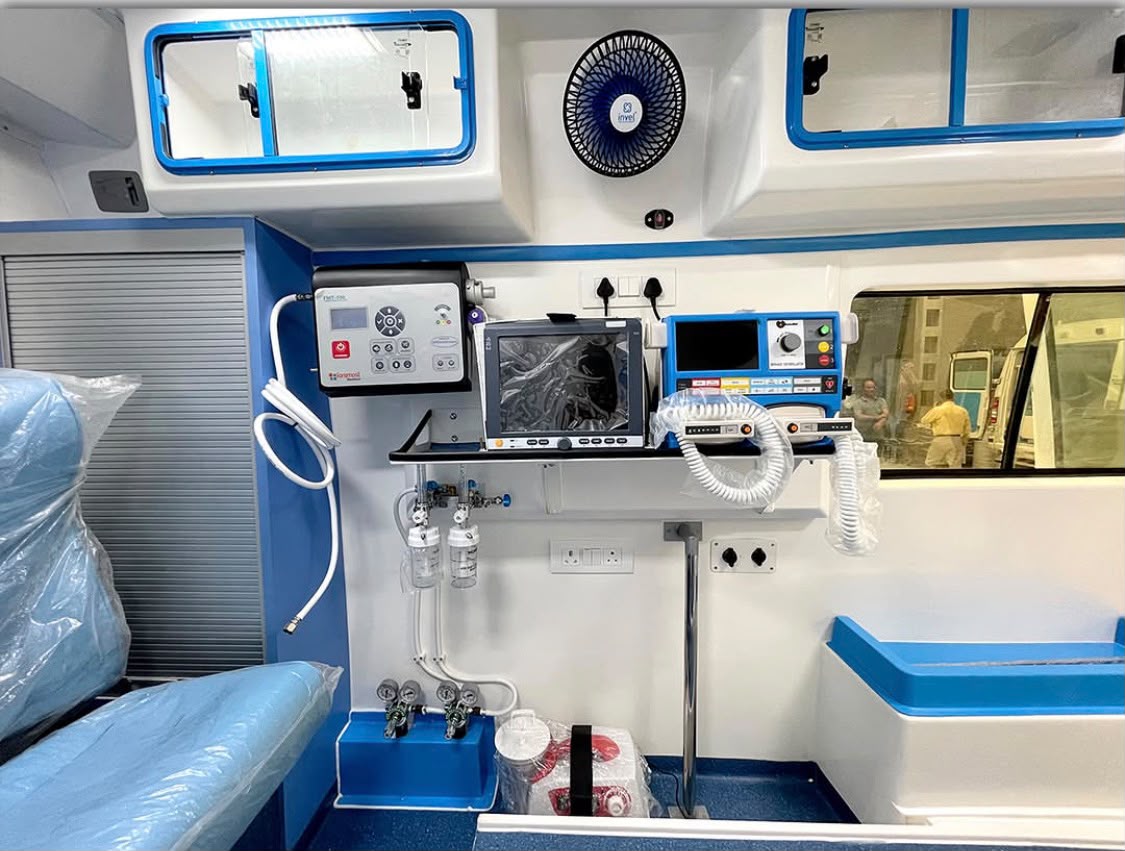
Depending on the patient’s condition and ambulance type, the team may monitor:
- Blood pressure
- Heart rate
- Oxygen saturation
- Breathing
- Level of consciousness
If the patient’s condition changes during transportation, trained personnel can respond while continuing toward the hospital.
Safe Handling of Stroke Patients
Stroke patients may have weakness, dizziness, confusion, or difficulty maintaining balance.
Trying to move them without assistance can increase the risk of falls or injury.
Professional ambulance teams can use:
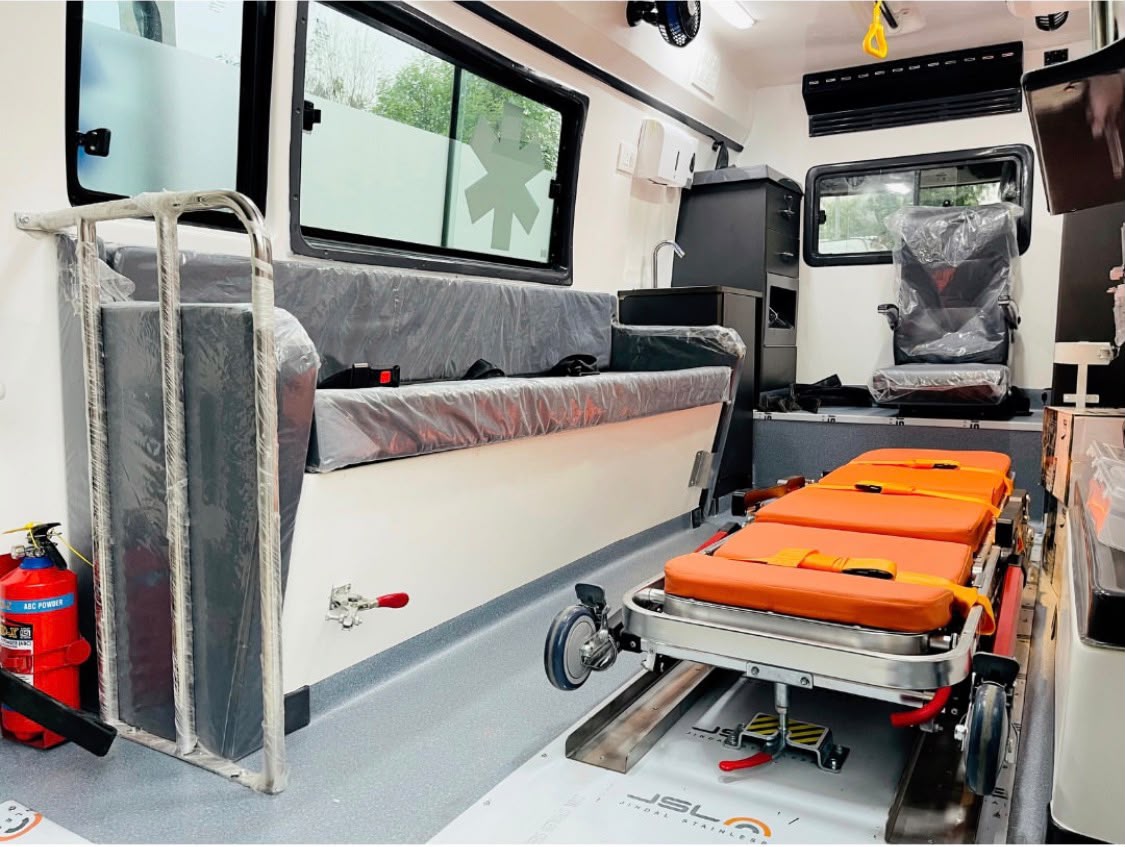
- Stretchers
- Wheelchairs
- Patient transfer equipment
- Safety restraints when appropriate
This helps move the patient from the home or roadside to the ambulance more safely.
Oxygen Support When Required
Some patients may require oxygen or respiratory support depending on their medical condition.
Ambulances can be equipped with oxygen and monitoring equipment when medically indicated.
Oxygen should not be given unnecessarily or used as a substitute for professional medical assessment. The ambulance team can determine appropriate support based on the patient’s condition.
Monitoring During Transportation
A stroke patient’s condition can change during transportation.
Medical personnel can observe the patient for changes in:
- Consciousness
- Breathing
- Blood pressure
- Movement
- Speech
- General responsiveness
Any significant change can be communicated to the receiving medical facility.
Choosing the Appropriate Ambulance
Not every stroke patient requires the same level of ambulance support.
A medically stable patient may require a BLS ambulance, while a patient with serious complications may require advanced life-support or ICU-level transportation.
The appropriate ambulance depends on factors such as:
- Patient’s current condition
- Consciousness level
- Breathing status
- Existing medical conditions
- Need for oxygen
- Need for advanced monitoring
If you’re unsure, provide the ambulance provider with accurate information about the patient’s condition before transportation.
Transporting Patients to Specialized Hospitals
Stroke patients may require evaluation by specialists and access to advanced diagnostic facilities.
Depending on the patient’s location and medical needs, transportation may be required to a hospital with appropriate stroke-care facilities.
RESQ Ambulance also provides ambulance service near PGI Chandigarh for patients requiring transportation around PGI and nearby healthcare facilities.
Patients requiring transportation around another major healthcare facility can also use our ambulance service near GMCH Sector 32 Chandigarh.
What Family Members Should Do While Waiting
After calling an ambulance, family members should remain calm and follow instructions from emergency professionals.
Keep the patient’s surroundings safe and avoid unnecessary movement.
It is also useful to prepare:
- Identification documents
- Existing medical records
- Prescription information
- Current medication details
- Allergy information
Most importantly, note the approximate time when the symptoms first appeared.
Do Not Give Food or Drink Without Medical Advice
A stroke can affect swallowing ability.
Giving food, water, or medication by mouth without professional guidance may create a risk of choking or aspiration.
Wait for instructions from emergency medical professionals unless the patient’s treating medical team has specifically advised otherwise.
Do Not Drive the Patient Yourself When Emergency Care Is Needed
A private vehicle does not provide medical monitoring or emergency equipment.
During an ambulance journey, trained personnel can monitor the patient and provide appropriate assistance if their condition changes.
If you are searching forambulance number in chandigarh, keep a reliable emergency ambulance contact available before a crisis occurs.
Hospital-to-Hospital Stroke Transfers
Some stroke patients need to be transferred between hospitals for specialist assessment, procedures, rehabilitation, or additional treatment.
During such transfers, the ambulance team can help maintain appropriate medical support throughout the journey.
The required ambulance type depends on the patient’s condition and the level of care needed.
Long-Distance Stroke Patient Transportation
Patients may sometimes need to travel to another city for specialized treatment or rehabilitation.
Long-distance transportation should be planned according to the patient’s medical condition.
Important considerations include:
- Required medical equipment
- Oxygen requirements
- Patient positioning
- Medical staff
- Travel duration
- Receiving hospital arrangements
For additional information, read our previous article How Ambulance Services Support Patients During Long-Distance Transfers.
Preparing for Ambulance Arrival
Families can help the ambulance team by making the pickup process easier.
Before the ambulance arrives:
- Unlock the entrance.
- Keep pathways clear.
- Keep medical documents ready.
- Note the time symptoms started.
- Keep the patient’s medication information available.
- Send someone outside if the location is difficult to find.
These simple steps can help avoid unnecessary delays.
Why Professional Ambulance Services Are Important
A professional ambulance can provide a controlled medical environment during transportation.
Depending on the service, patients may receive:
- Trained medical assistance
- Patient monitoring
- Oxygen support when required
- Stretcher transportation
- Emergency equipment
- Safe patient handling
RESQ Ambulance also provides ambulance mohali, kharar ambulance, and ambulance service panchkula for emergency and patient transportation across the Tricity region.
Frequently Asked Questions
What should I do if someone suddenly develops stroke symptoms?
Call emergency medical services immediately and provide the patient’s symptoms and the approximate time they began.
Should I give the patient food or water?
Do not give food or water unless instructed by a medical professional, because stroke can affect swallowing.
Can an ambulance monitor a stroke patient?
Depending on the ambulance type and patient’s condition, trained medical personnel can monitor vital signs and the patient’s general condition during transportation.
Should I drive a stroke patient to the hospital?
When emergency medical transportation is available, an ambulance can provide medical monitoring and support that a private vehicle cannot.
What information should I give the ambulance provider?
Provide the patient’s symptoms, age, location, known medical conditions, medications, and the approximate time symptoms started.
Conclusion
Stroke symptoms require urgent medical attention. Recognizing warning signs, calling for emergency help promptly, recording when symptoms began, and avoiding unnecessary movement can help during the initial response.
A professional ambulance provides a safer environment for transporting patients who may require medical observation, oxygen support, or other assistance during the journey. The appropriate ambulance should always be selected according to the patient’s medical condition and the level of care required.