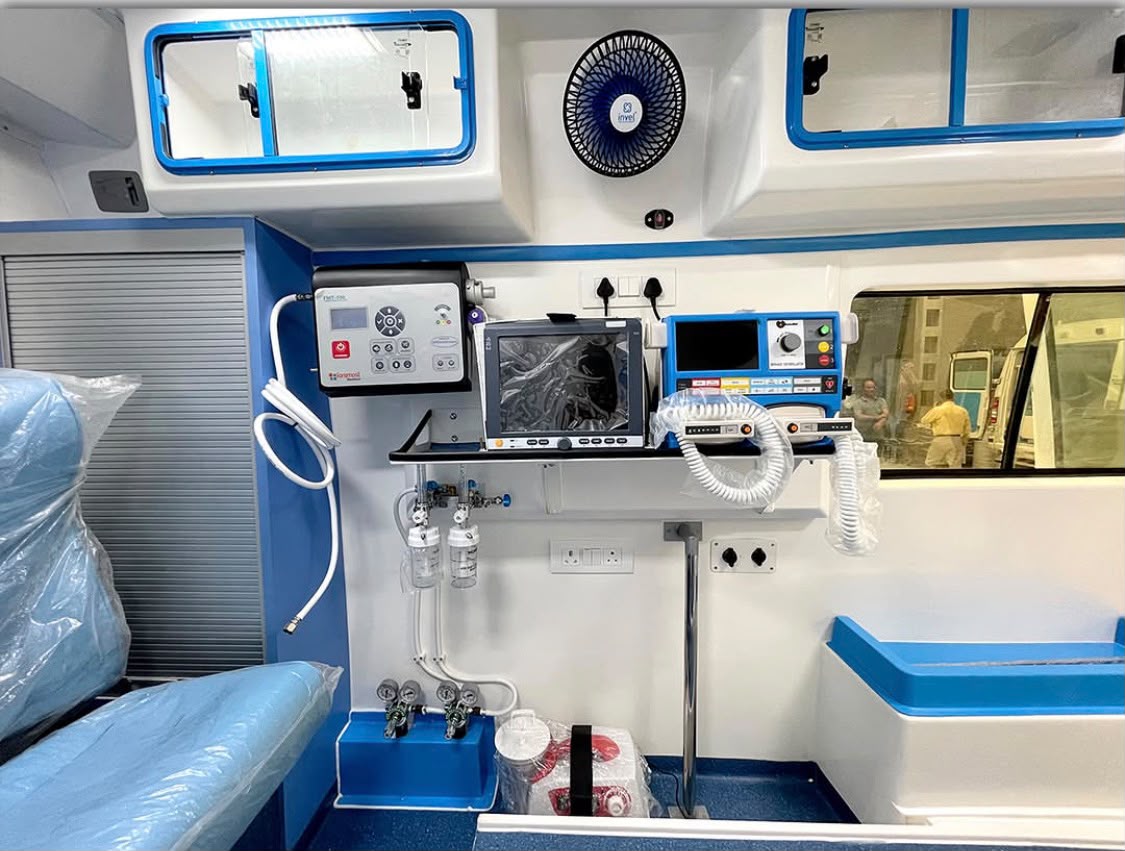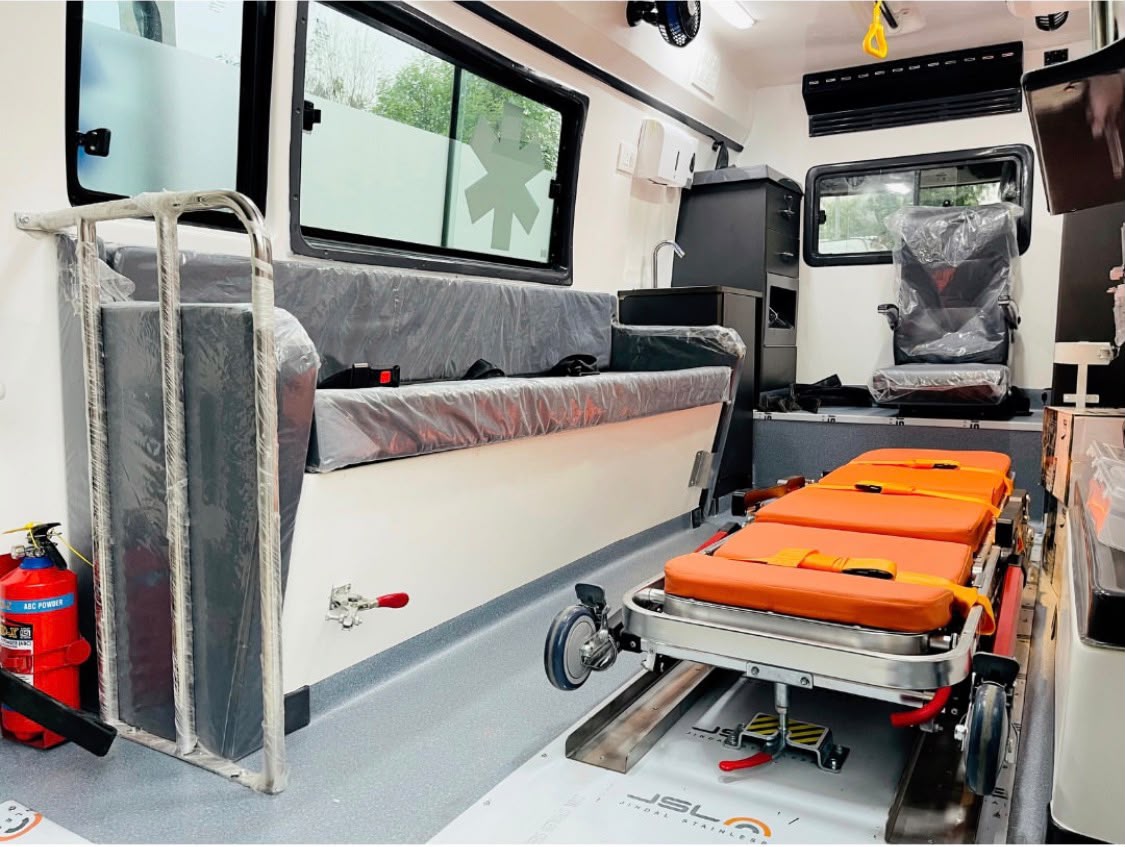

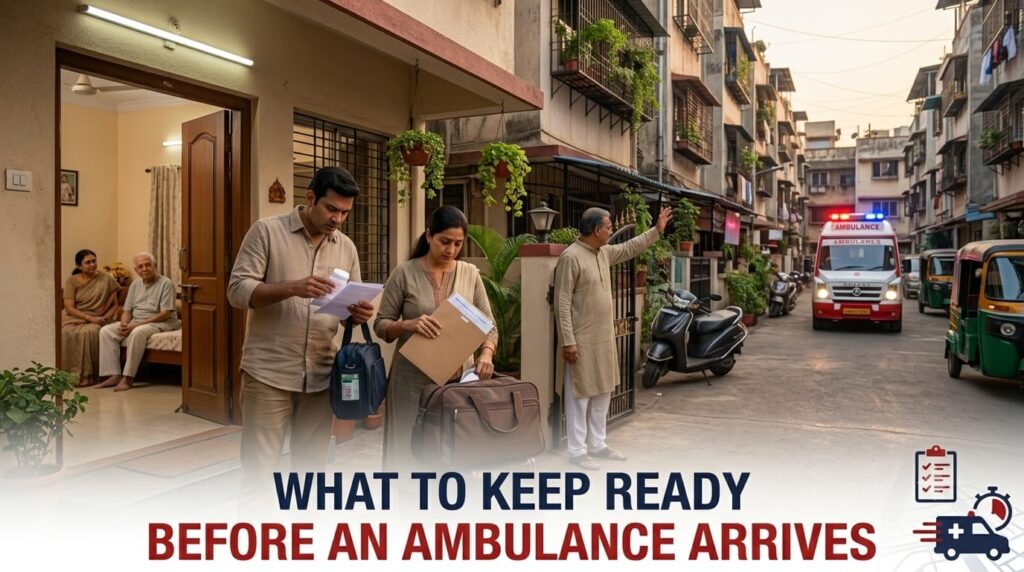
During a medical emergency, families often have to make several decisions at the same time. While contacting an ambulance should be the priority, preparing a few essential things before the ambulance arrives can make patient pickup faster and more organized.
Medical documents, current medicines, identification, and information about the patient’s condition can help the ambulance team understand the situation quickly. Preparing the entrance and keeping the patient’s belongings ready can also make the transfer easier.
Whether the patient needs emergency transportation, hospital transfer, or planned medical travel, a little preparation can make a significant difference.
Keep the Patient’s Medical Information Ready
The ambulance team should know as much as possible about the patient’s current condition.
Keep information such as:
- Current diagnosis
- Existing medical conditions
- Recent surgery
- Known allergies
- Current symptoms
- Current medications
- Oxygen requirements
- Previous major medical problems
When booking an ambulance service in Chandigarh, providing accurate information helps the ambulance provider arrange appropriate transportation.
Collect Important Medical Documents
Keep the patient’s important medical records together.
These may include:
- Prescription
- Discharge summary
- Blood test reports
- X-ray reports
- CT or MRI reports
- Previous treatment records
- Referral letter
- Insurance documents
If the patient is being transferred to another hospital, these documents can help the receiving medical team understand the patient’s history.
Keep Current Medicines Ready
If the patient is taking regular medication, keep the medicines together before transportation.
This may include:
- Prescription medicines
- Inhalers
- Insulin
- Emergency medicines
- Other doctor-prescribed treatments
Do not change or stop prescribed medication unless instructed by a qualified medical professional.
Keep Identification Documents Available
Hospitals may require identification information during admission.
Keep an appropriate identification document ready along with:
- Patient details
- Emergency contact information
- Insurance information, if applicable
Having these details available can help reduce administrative delays after arrival.
Tell the Ambulance Provider About Oxygen Requirements
If the patient already uses oxygen, tell the ambulance provider before the vehicle is dispatched.
This is particularly important for patients who cannot travel safely without respiratory support.
Depending on the patient’s condition, the provider may recommend an oxygen-equipped ambulance or a higher level of medical transportation.
Mention if the Patient Is Bedridden
A bedridden patient may require special handling and stretcher transportation.
Tell the ambulance provider if the patient:
- Cannot walk
- Cannot sit independently
- Has recently undergone surgery
- Has a fracture
- Has severe weakness
- Requires a stretcher
This allows the team to prepare for safe movement from the patient’s bed to the ambulance.
Clear the Path to the Patient
Before the ambulance arrives, check the route from the patient’s location to the entrance.
Remove:
- Furniture blocking the pathway
- Loose objects
- Toys
- Boxes
- Other obstacles
If the patient is on an upper floor, inform the ambulance team about stairs or elevator access.
A clear pathway can make stretcher movement safer and more efficient.
Keep the Entrance Accessible
If possible, keep the main entrance unlocked or arrange for someone to open it when the ambulance arrives.
At night, turn on exterior lights so the ambulance team can identify the location easily.
If the address is difficult to find, keep someone outside to guide the crew.
Keep the Patient Comfortable
While waiting, keep the patient in a safe and comfortable position unless medical professionals have instructed otherwise.
Avoid unnecessary movement, especially if the patient has suffered an accident or may have a spinal or serious injury.
The ambulance team will assess the patient and determine the safest way to move them.
Prepare Essential Personal Items
For hospital admission or longer transfers, pack only essential belongings.
These may include:
- Mobile phone
- Charger
- Spectacles
- Hearing aids
- Personal hygiene items
- Necessary clothing
- Medical devices
- Important documents
Avoid taking large bags unless the patient will be staying at the hospital for an extended period.
Keep One Family Member Available
One responsible family member should remain available to communicate with the ambulance team.
They can provide:
- Patient information
- Medical history
- Contact details
- Destination information
- Hospital documents
This can help the ambulance team understand the patient’s situation more quickly.
Share the Correct Destination
When booking the ambulance, clearly provide the destination.
If the patient is going to a specific hospital department, share that information whenever possible.
For patients requiring transportation around major medical facilities, RESQ Ambulance provides ambulance service PGI Chandigarh.
Keep Emergency Contacts Ready
Save important contacts in your phone and keep them accessible.
These may include:
- Family members
- Treating doctor
- Current hospital
- Destination hospital
- Ambulance service
During an emergency, having the correct numbers available can save time.
Do Not Overcrowd the Patient
Too many people around the patient can make emergency handling more difficult.
Allow the ambulance team enough space to:
- Assess the patient
- Prepare the stretcher
- Provide first aid
- Move the patient safely
Usually, only essential family members should remain involved in the immediate transfer.
Tell the Team About Recent Treatment
If the patient recently underwent surgery, hospitalization, chemotherapy, dialysis, or another significant treatment, mention it to the ambulance team.
This information may affect how the patient is positioned, monitored, and transported.
Choose the Correct Ambulance Type
The patient’s condition determines the appropriate ambulance.
Possible options include:
- Basic Life Support ambulance
- Oxygen ambulance
- Advanced Life Support ambulance
- ICU ambulance
- Ventilator ambulance
For example, a stable patient may require basic transportation, while a critically ill patient may need advanced monitoring and life-support equipment.
If you’re searching for ambulance number chandigarh, provide complete information about the patient’s condition before booking so the appropriate ambulance can be arranged.
Preparing for Hospital Transfers
Hospital-to-hospital transfers require additional preparation.
Before departure, confirm:
- Receiving hospital
- Destination department
- Medical records
- Referral documents
- Required ambulance type
- Patient’s current condition
For longer journeys, families should also discuss oxygen, medication, and monitoring requirements with the ambulance provider.
RESQ Ambulance provides ambulance service in mohali for emergency transportation, hospital transfers, patient discharge, and other medical transportation requirements.
What Not to Do While Waiting
While waiting for professional help:
- Do not panic.
- Do not move an injured patient unnecessarily.
- Do not give food or drink if the patient is unconscious or has difficulty swallowing.
- Do not delay the ambulance while collecting unnecessary belongings.
- Do not attempt complicated medical procedures without appropriate training.
Follow instructions provided by emergency professionals.
A Simple Emergency Preparation Checklist
Before the ambulance arrives, check:
Patient
- Medical condition explained
- Patient kept safe
- Oxygen requirements communicated
Documents
- Prescription
- Medical reports
- Identification
- Hospital records
Medicines
- Current medicines
- Essential medical devices
Location
- Entrance accessible
- Pathway clear
- Elevator available if needed
Destination
- Hospital confirmed
- Contact details available
- Relevant department informed
This simple checklist can make the transfer more organized.
Why Preparation Makes Ambulance Transportation Easier
Good preparation helps the ambulance team focus on the patient rather than searching for basic information or navigating unnecessary obstacles.
It can help with:
- Faster patient pickup
- Safer movement
- Better communication
- Smoother hospital admission
- Reduced family stress
RESQ Ambulance also provides ambulance service panchkula and ambulance service kharar for emergency and patient transportation requirements.
A Useful Previous Blog to Read
If you want to understand the complete preparation process in more detail, our previous blog How to Prepare a Patient for Safe Ambulance Transportation covers patient preparation, medical documents, medicines, home access, and ambulance selection.
Frequently Asked Questions
What should I prepare before an ambulance arrives?
Keep the patient’s medical documents, medicines, identification, medical history, and destination information ready.
Should I tell the ambulance provider if the patient needs oxygen?
Yes. Always mention oxygen requirements before booking so the appropriate ambulance can be arranged.
Should I move a seriously injured patient before the ambulance arrives?
Avoid unnecessary movement of seriously injured patients. Follow instructions from emergency professionals and allow trained ambulance staff to handle the transfer.
Can a family member travel with the patient?
Depending on the ambulance type and available space, an attendant may be permitted to accompany the patient.
What information should I give when booking an ambulance?
Provide the patient’s condition, age, pickup location, destination, mobility requirements, oxygen needs, and whether specialized equipment is required.
Conclusion
Preparing a few essential things before an ambulance arrives can make patient transportation smoother and more efficient. Medical records, medicines, identification, patient information, and a clear pathway can help the ambulance team begin the transfer without unnecessary delays.
The most important step is to communicate the patient’s actual medical condition accurately. This allows the ambulance provider to arrange the appropriate level of medical support.