

During a medical emergency, choosing the right ambulance can be just as important as calling for help quickly. Different patients have different medical requirements. While one patient may only need safe transportation and basic medical assistance, another may require oxygen, cardiac monitoring, intensive care, or ventilator support throughout the journey.
Understanding the different types of ambulance services can help families make a better decision when time is critical.
A professional ambulance service can provide trained medical staff, appropriate equipment, patient monitoring, and safe transportation from the pickup location to the hospital.
Why Choosing the Right Ambulance Matters
Every medical condition has different transportation requirements.
For example, a stable patient going for a routine medical appointment may not require an ICU ambulance. However, a patient who is critically ill or dependent on a ventilator needs advanced medical support throughout transportation.
Choosing an ambulance based on the patient’s condition helps ensure that the necessary equipment and medical professionals are available during the journey.
If you are searching for ambulance number in Chandigarh, RESQ Ambulance provides different ambulance options for emergency and patient transportation requirements.
Basic Life Support Ambulance
A Basic Life Support ambulance is generally suitable for patients who are medically stable but require professional assistance during transportation.
It may be appropriate for:
- Hospital discharge
- Elderly patient transportation
- Stable patients
- Routine medical transfers
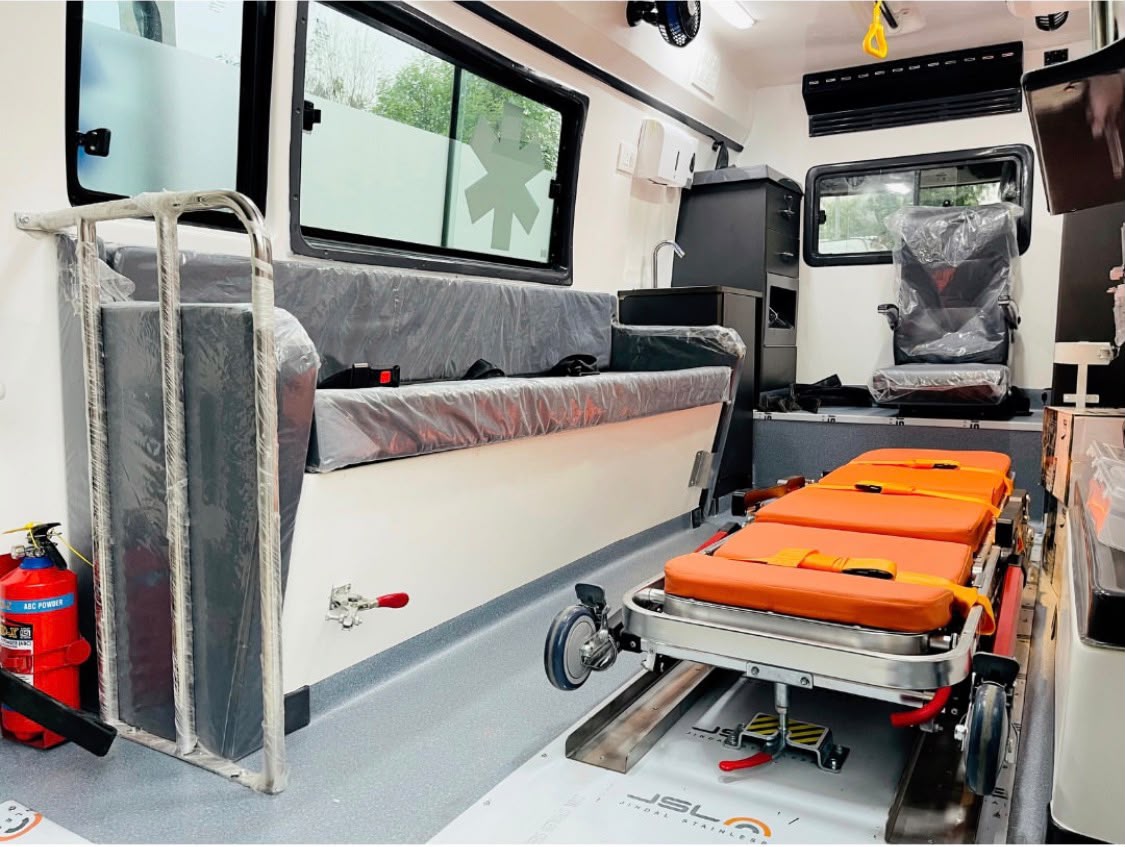
- Patients requiring stretcher transportation
- Patients requiring basic monitoring
- Certain non-critical emergencies
BLS ambulances can provide essential medical equipment and oxygen support when required.
For more information, read our previous article When Should You Choose a Basic Life Support Ambulance?
Oxygen Ambulance
An oxygen ambulance is suitable for patients who require supplemental oxygen during transportation.
Patients with certain respiratory and cardiac conditions may need continuous oxygen support while traveling to a healthcare facility.
Oxygen-supported transportation may be useful for:
- Respiratory illnesses
- Pneumonia
- COPD
- Breathing difficulties
- Certain heart conditions
- Patients recovering from serious illness
You can learn more in our article Why Oxygen Ambulances Are Essential During Medical Emergencies.
ICU Ambulance
An ICU ambulance is designed for patients who require advanced medical monitoring and critical-care support during transportation.
It may be required for:
- Critically ill patients
- ICU transfers
- Serious trauma
- Severe infections
- Cardiac patients
- Patients requiring intensive monitoring
- High-risk hospital transfers
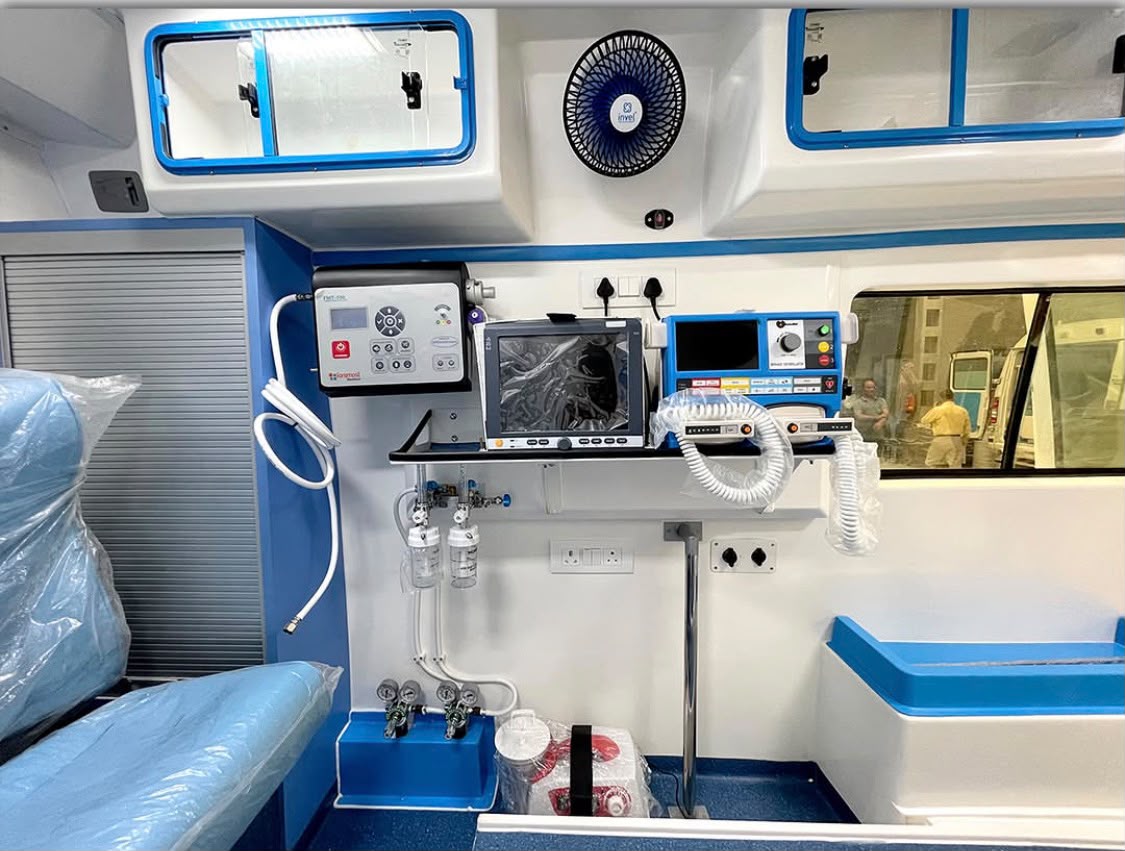
ICU ambulances can include advanced medical equipment such as cardiac monitors, infusion pumps, defibrillators, oxygen systems, and ventilators depending on the patient’s requirements.
Ventilator Ambulance
Patients who cannot breathe adequately without mechanical assistance may require a ventilator ambulance.
These ambulances are equipped with portable ventilators and other critical-care equipment to maintain respiratory support during transportation.
Ventilator ambulance transportation may be required for patients with:
- Respiratory failure
- Severe lung disease
- Serious infections
- Brain injuries
- Certain post-operative conditions
- Critical ICU conditions
Ambulance for Elderly Patients
Elderly patients may not always require intensive care, but they can still need specialized transportation.
A professional ambulance can provide:
- Stretcher assistance
- Wheelchair support
- Oxygen when required
- Safe patient handling
- Medical monitoring
This can be particularly helpful after surgery, during hospital discharge, or when a patient has limited mobility.
Ambulance for Hospital Discharge
A patient may be medically stable enough to leave the hospital but still unable to travel safely in a private car.
A discharge ambulance can be useful for patients who are:
- Bedridden
- Recovering from surgery
- Using a wheelchair
- Weak after hospitalization
- Requiring oxygen
- Unable to sit comfortably for extended periods
Ambulance for Inter-Hospital Transfers
Sometimes a patient needs to be moved from one hospital to another for specialized treatment.
Before arranging the transfer, confirm:
- The patient’s current condition
- Required medical equipment
- Oxygen requirements
- Whether ventilator support is needed
- Whether continuous monitoring is required
- The distance between hospitals
The ambulance type should match the patient’s medical needs.
Consider the Patient’s Medical Condition
The first question to ask is:
What level of medical support does the patient require during transportation?
Consider whether the patient needs:
- Basic assistance
- Oxygen
- Continuous monitoring
- Cardiac support
- ICU-level care
- Ventilator support
If the patient’s condition is unstable or unclear, consult the treating doctor or ambulance provider before arranging transportation.
Consider the Distance
The distance of the journey can also affect the type of ambulance required.
A short transfer may require basic support, while a long-distance journey may require additional oxygen, monitoring, medical equipment, and experienced medical staff.
For longer transfers, it is important to discuss the patient’s condition and expected travel duration with the ambulance provider in advance.
If you’re looking for dependable ambulance service chandigarh, professional ambulance transportation can help ensure appropriate medical support throughout the journey.
Check Medical Equipment
Before booking, ask whether the ambulance has the equipment required for the patient.
Depending on the condition, this may include:
- Oxygen cylinders
- Pulse oximeter
- Cardiac monitor
- Defibrillator
- Ventilator
- Infusion pumps
- Suction equipment
- Emergency medicines
- Stretcher
Having the appropriate equipment available can make transportation safer.
Ask About Medical Staff
The level of medical staff required depends on the patient’s condition.
Ask the ambulance provider about:
- Trained paramedics
- Emergency medical technicians
- Nurses
- Critical-care professionals
- Doctor support when medically required
For critically ill patients, appropriate medical expertise is particularly important.
Prepare the Patient Before Transportation
Once the ambulance has been selected, prepare the patient and medical documents before the team arrives.
Keep ready:
- Medical reports
- Prescriptions
- Current medicines
- Allergy information
- Identification documents
- Doctor’s instructions
Also make sure the entrance and pathway are clear.
Avoid Choosing an Ambulance Only by Price
Price is naturally an important consideration, but it should not be the only factor during a medical emergency.
A cheaper ambulance may not have the equipment or medical staff required for the patient’s condition.
Instead, consider:
- Ambulance type
- Medical equipment
- Staff experience
- Patient condition
- Required support
- Distance
- Availability
The priority should always be safe and appropriate medical transportation.
Why Professional Ambulance Services Are Important
A professional ambulance can provide medical support that a private vehicle cannot.
Depending on the service, patients may receive:
- Professional patient handling
- Oxygen support
- Vital-sign monitoring
- Emergency equipment
- Trained medical staff
- Stretcher transportation
- Critical-care support
This makes professional ambulance transportation a safer option for patients with medical needs.
RESQ Ambulance also provides reliable ambulance service in mohali, trusted ambulance service panchkula, and professional ambulance service in kharar for emergency transportation, hospital transfers, discharge, and patient movement.
What to Tell the Ambulance Provider
When booking an ambulance, clearly explain:
- Patient’s age
- Medical condition
- Whether the patient is conscious
- Whether the patient is breathing normally
- Oxygen requirement
- Ventilator requirement
- Whether the patient needs a stretcher
- Pickup location
- Destination hospital
Accurate information helps the provider arrange an appropriate ambulance.
Frequently Asked Questions
How do I choose the right ambulance?
Choose an ambulance according to the patient’s medical condition and the level of support required, such as basic care, oxygen, ICU monitoring, or ventilator support.
When is an ICU ambulance required?
An ICU ambulance may be required when a patient is critically ill and needs continuous advanced monitoring or life-support equipment during transportation.
When should I choose a ventilator ambulance?
Patients who depend on mechanical ventilation or cannot breathe adequately without ventilator assistance generally require specialized ventilator transportation.
Can elderly patients use a basic ambulance?
Yes. Medically stable elderly patients may use a BLS ambulance when they require assistance, stretcher transportation, wheelchair support, or basic medical monitoring.
Should I tell the ambulance provider about oxygen requirements?
Yes. Always mention oxygen requirements before booking so the appropriate ambulance and equipment can be arranged.
Conclusion
Choosing the right ambulance depends on the patient’s medical condition, required equipment, level of medical supervision, and travel distance. BLS ambulances can be suitable for stable patients, while oxygen, ICU, and ventilator ambulances provide progressively higher levels of medical support.
During an emergency, provide the ambulance provider with accurate information about the patient’s condition and follow the recommendations of the treating medical team.
Selecting the appropriate ambulance helps ensure that the patient receives suitable medical care and safe transportation from pickup to destination.