
During a medical emergency, every minute can matter. A sudden cardiac problem, stroke, serious injury, breathing difficulty, or loss of consciousness requires immediate attention. While reaching a hospital quickly is important, getting professional medical assistance during transportation can be equally valuable.
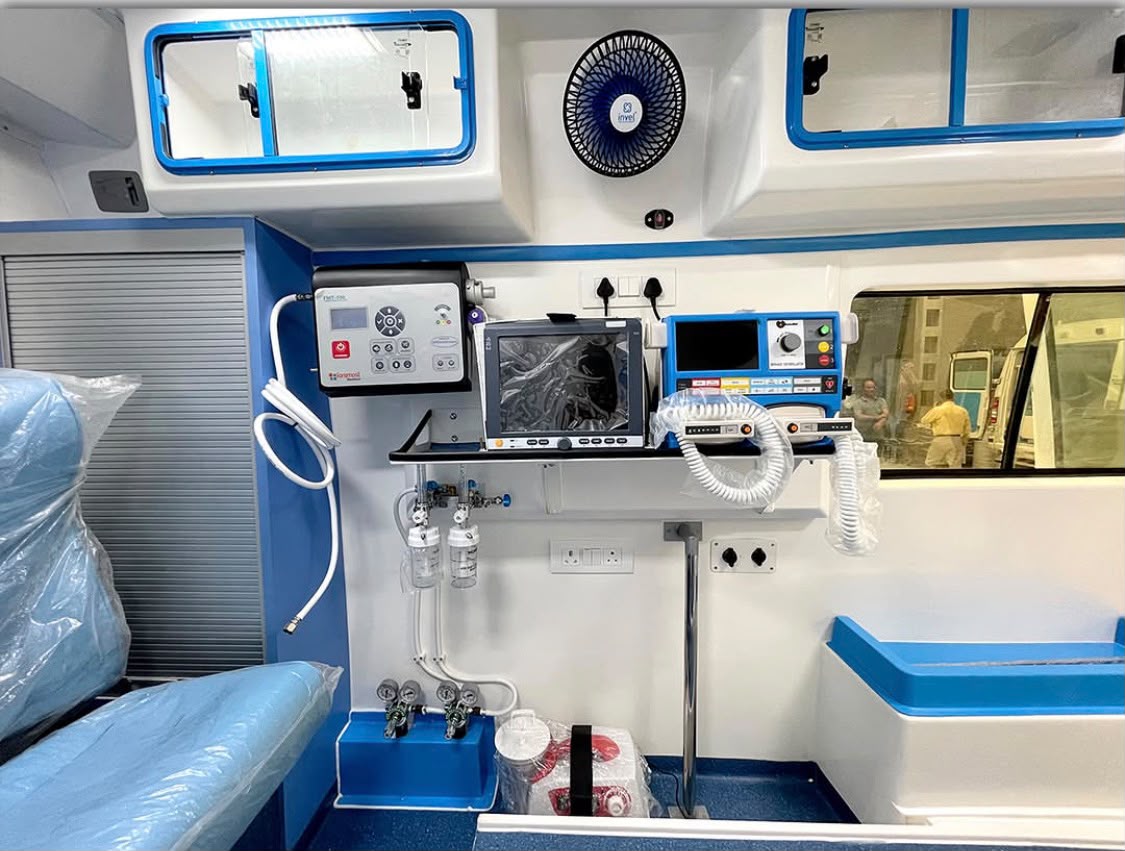
A professional ambulance provides more than transportation. Depending on the patient’s condition, it can offer oxygen support, medical monitoring, emergency equipment, trained paramedics, and other necessary assistance while the patient is being taken to a healthcare facility.
Understanding the importance of a timely ambulance response can help families make better decisions when faced with an emergency.
Why Every Minute Matters
Some medical emergencies can become more serious within a short period of time.
Conditions such as:
- Chest pain
- Stroke symptoms
- Severe breathing difficulty
- Major injuries
- Heavy bleeding
- Unconsciousness
- Serious allergic reactions
may require immediate medical evaluation.
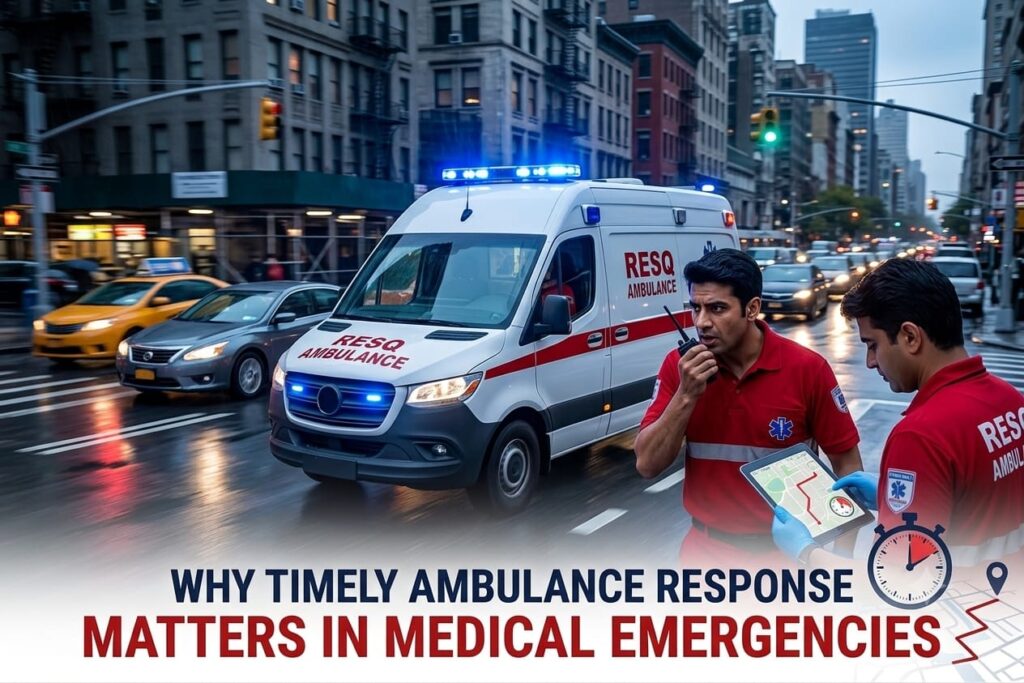
Calling an ambulance early gives emergency professionals more time to reach the patient and begin appropriate care.
For people searching for an ambulance number in Chandigarh, having a reliable ambulance service available can provide important support during unexpected emergencies.
Ambulances Provide Medical Support During Transportation
A major advantage of professional ambulance transportation is that patients can receive medical attention while traveling to the hospital.
Depending on the ambulance type, medical support may include:
- Oxygen administration
- Vital-sign monitoring
- First aid
- Patient positioning
- Emergency medical equipment
- Basic or advanced life support
This can be especially important when a patient’s condition changes while on the way to the hospital.
Faster Access to Professional Care
When an ambulance is dispatched, trained medical personnel can begin assessing the patient’s condition as soon as they reach the location.
They can determine:
- Whether the patient is conscious
- Whether the patient is breathing normally
- Whether oxygen is required
- Whether immediate emergency intervention is necessary
- Which hospital may be appropriate
This can help families avoid delays associated with arranging private transportation.
Why Private Vehicles May Not Be Suitable
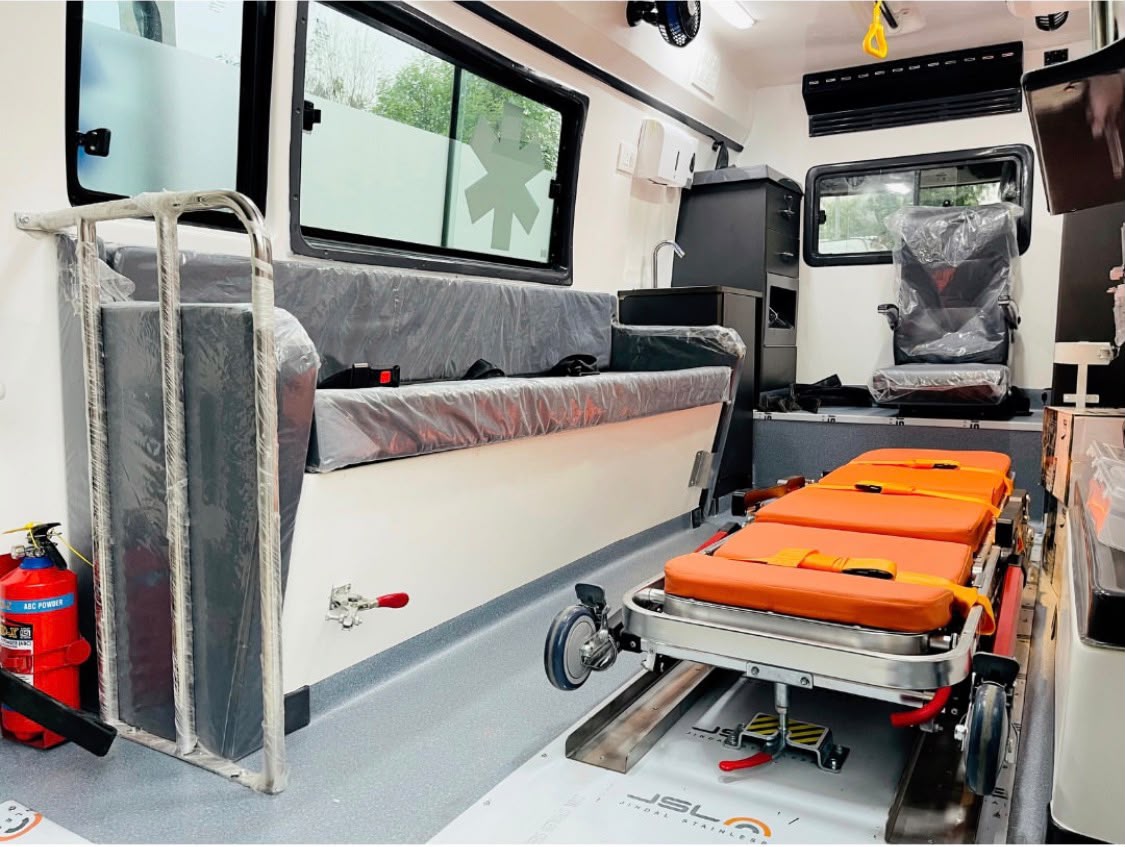
A private car may seem convenient during an emergency, but it does not provide the medical facilities available in a professional ambulance.
A private vehicle generally cannot provide:
- Medical oxygen
- Patient monitoring
- Emergency equipment
- Safe stretcher transportation
- Trained medical staff
For a patient whose condition is unstable, these differences can be significant.
If you need dependable ambulance in chandigarh, professional ambulance transportation can provide medical assistance from the pickup location until hospital arrival.
Ambulance Support for Stroke Patients
Stroke is one emergency where timely medical attention is particularly important.
Warning signs can include:
- Sudden weakness
- Difficulty speaking
- Facial drooping
- Confusion
- Loss of balance
- Sudden vision problems
If these symptoms appear, seek emergency medical assistance immediately.
Avoid delaying transportation while waiting for symptoms to improve.
Ambulance Support for Chest Pain
Chest pain should never be ignored, especially when it occurs with:
- Difficulty breathing
- Sweating
- Nausea
- Dizziness
- Pain spreading to the arm, shoulder, neck, or jaw
An ambulance allows trained professionals to assess the patient and provide appropriate support during transportation.
Emergency Support for Breathing Problems
Severe breathing difficulty can become dangerous quickly.
Patients experiencing serious respiratory distress may require oxygen support or advanced medical assistance.
The appropriate ambulance should be selected according to the patient’s condition and medical requirements.
For more information about oxygen-supported transportation, see our previous article Why Oxygen Ambulances Are Essential During Medical Emergencies.
Emergency Transportation After an Accident
Road accidents can cause injuries that are not immediately visible.
A patient may have:
- Internal injuries
- Head trauma
- Spinal injuries
- Broken bones
- Severe bleeding
Moving an injured person incorrectly can make certain injuries worse.
Professional ambulance teams are trained in patient handling and can transport accident victims using appropriate equipment.
The Importance of Choosing the Correct Ambulance
Fast response is important, but the ambulance must also be suitable for the patient’s condition.
Depending on the situation, a patient may require:
- Basic Life Support ambulance
- Oxygen ambulance
- Advanced Life Support ambulance
- ICU ambulance
- Ventilator ambulance
Providing accurate information when calling helps the ambulance provider arrange appropriate medical support.
Hospital Transfers Also Require Timely Response
Not every ambulance journey starts at home.
Patients may need urgent transportation:
- Between hospitals
- From an emergency department to another facility
- From a smaller hospital to a specialty center
- From a hospital to a rehabilitation facility
Timely transportation can help prevent unnecessary delays in continuing medical treatment.
What Information Should You Give When Calling?
When requesting an ambulance, provide clear information about:
- Patient’s condition
- Age of the patient
- Exact pickup location
- Nearby landmark
- Whether the patient is conscious
- Whether the patient is breathing
- Oxygen requirement
- Whether a stretcher is required
- Destination hospital
Accurate information allows the ambulance team to prepare appropriately before reaching the patient.
Keep the Pickup Location Accessible
You can help reduce delays by preparing the location before the ambulance arrives.
If possible:
- Keep the entrance unlocked
- Clear the pathway
- Keep the elevator accessible
- Send someone outside to guide the ambulance
- Keep the patient’s medical documents ready
Small preparations can make patient pickup more efficient.
Why Families Should Avoid Delaying the Call
One of the most common mistakes during emergencies is waiting to see whether the patient gets better.
If symptoms are serious or rapidly worsening, professional medical help should be contacted immediately.
Early action allows emergency professionals to assess the patient sooner and determine the appropriate next steps.
Frequently Asked Questions
Why is a fast ambulance response important?
A timely response can reduce delays in receiving professional medical assessment and treatment, particularly during serious emergencies.
Should I wait to see if the patient’s condition improves?
For serious or rapidly worsening symptoms, it is safer to seek professional emergency assistance immediately rather than waiting.
Can an ambulance provide treatment during transportation?
Depending on the ambulance type and patient’s condition, trained medical staff can provide monitoring, oxygen, first aid, and other emergency support.
What information should I provide when calling an ambulance?
Explain the patient’s condition, location, age, consciousness, breathing status, and any known requirement for oxygen or specialized medical support.
Is an ambulance better than a private car during an emergency?
For serious medical conditions, a professional ambulance can provide medical equipment, trained staff, patient monitoring, and safer transportation that a private vehicle cannot.
Conclusion
A timely ambulance response can make an important difference during a medical emergency. Calling for professional help early allows trained medical personnel to reach the patient, assess the situation, provide appropriate support, and begin transportation without unnecessary delays.
Families should provide accurate information when requesting an ambulance and select a service that matches the patient’s medical needs. Staying calm, preparing the pickup location, and avoiding unnecessary delays can further support a faster emergency response.