
Patient transportation is not always as simple as getting from one location to another. Some patients need assistance throughout the journey because of age, illness, injury, limited mobility, or recovery after hospitalization.
A medical escort can provide valuable support during transportation by monitoring the patient’s condition, assisting with mobility, and communicating important medical information when necessary.
For families, having a trained professional accompany a patient can provide greater confidence and help make the journey safer and more comfortable.
What Is a Medical Escort?
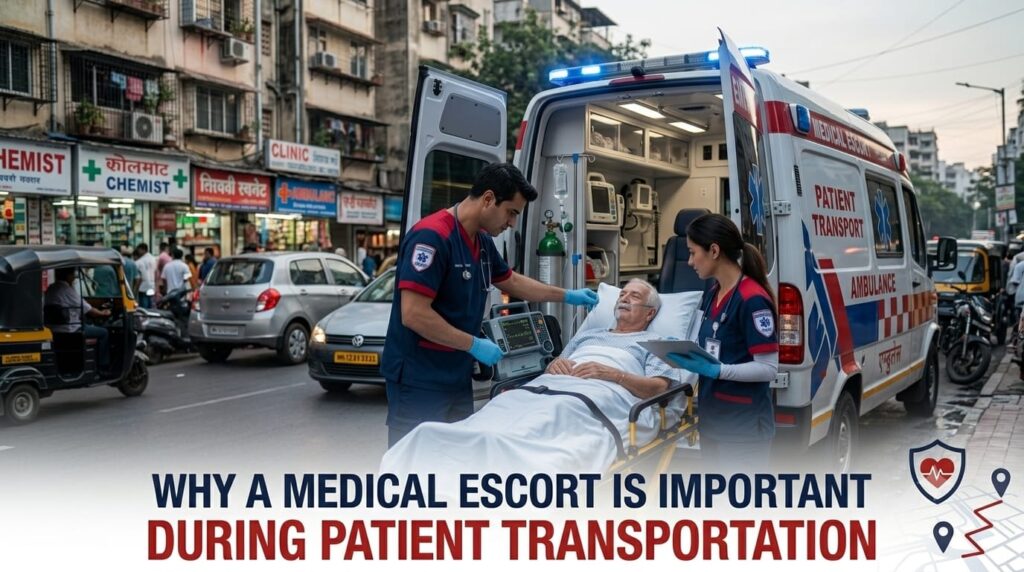
A medical escort is a trained healthcare professional who accompanies a patient during transportation and provides appropriate assistance based on the patient’s condition.
The level of support depends on the patient’s medical requirements.
A medical escort may assist with:
- Patient movement
- Basic medical monitoring
- Oxygen support when appropriate
- Medication-related instructions
- Communication with family members
- Communication with healthcare facilities
- Safe positioning during transportation
When professional transportation is required, choosing a dependable ambulance chandigarh service can help ensure the patient receives appropriate assistance throughout the journey.
Who May Need a Medical Escort?
A medical escort can be particularly helpful for patients who require additional support but may not necessarily need intensive-care transportation.
This can include:
- Elderly patients
- Bedridden patients
- Patients recovering from surgery
- Patients with limited mobility
- Patients returning home after hospitalization
- Patients attending specialist appointments
- Patients traveling between healthcare facilities
- Patients requiring supervised transportation
The patient’s medical condition should always determine the level of support required.
Support for Elderly Patients
Older adults may have difficulty walking, climbing stairs, or getting into ordinary vehicles.
A medical escort can assist with safe movement and help ensure that the patient remains comfortable throughout transportation.
For elderly patients, professional ambulance service in mohali can provide a more suitable alternative to traveling in an ordinary private vehicle when medical or mobility assistance is required.
Assistance for Bedridden Patients
Bedridden patients require careful handling during transfers.
Moving them from a bed to a stretcher and then into an ambulance should be performed carefully to reduce discomfort and the risk of injury.
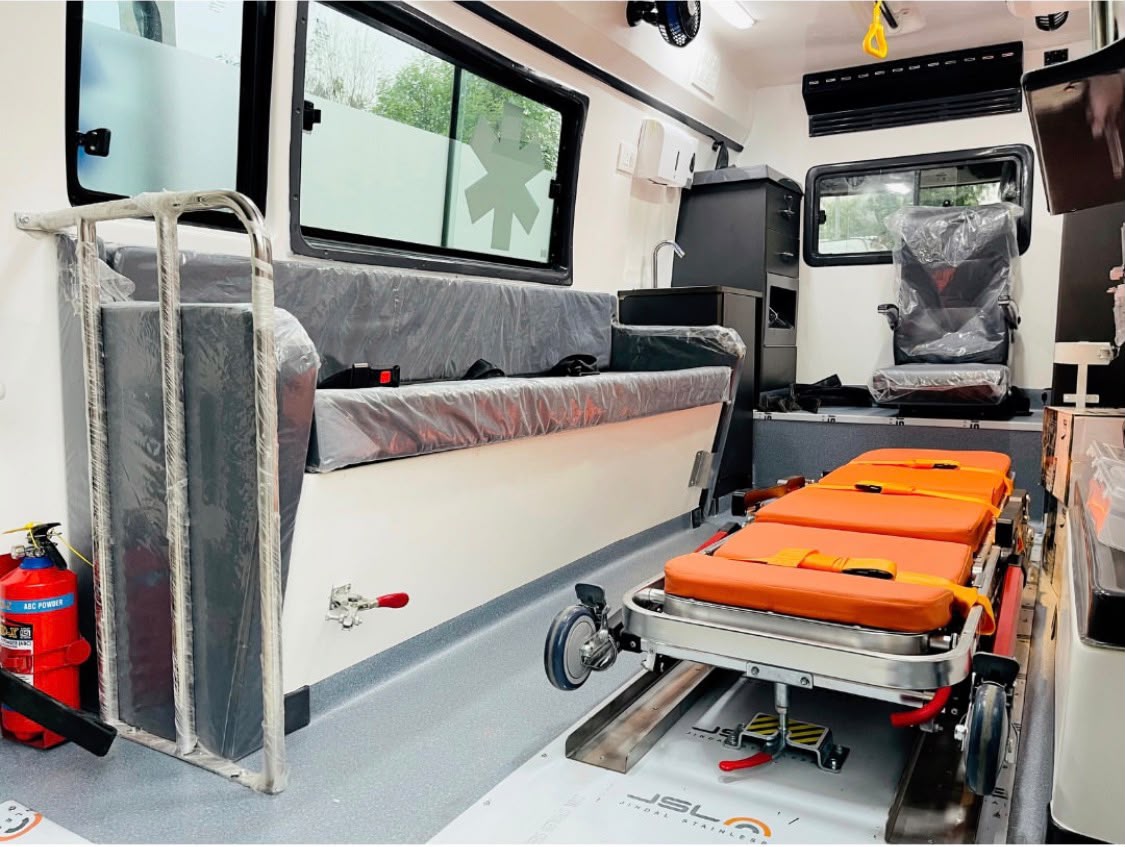
Professional ambulance teams use appropriate equipment and techniques for patient movement.
A medical escort can also observe the patient during the journey and communicate any changes to the ambulance team.
Support After Surgery
Patients recovering from surgery may feel weak, tired, or uncomfortable.
Even if they have been discharged from the hospital, they may not be suitable for regular transportation.
A medical escort can help with:
- Safe transfers
- Patient positioning
- Monitoring comfort
- Carrying medical documents
- Communicating instructions
- Coordinating with family members
This can make the journey home or to a follow-up facility easier.
Monitoring During Transportation
Some patients require observation even when they are medically stable.
Depending on the patient’s needs, monitoring may include observing:
- Breathing
- General alertness
- Oxygen saturation
- Heart rate
- Blood pressure
- Changes in symptoms
If something appears unusual, the medical team can respond appropriately or communicate with the receiving healthcare facility.
For patients requiring dependable ambulance number chandigarh, professional medical transportation can provide greater support than ordinary road travel.
Helping Patients With Mobility Difficulties
Mobility problems can make transportation challenging.
Patients with:
- Arthritis
- Fractures
- Weakness
- Neurological conditions
- Physical disabilities
- Post-surgical limitations
may need assistance getting into and out of the ambulance.
Trained staff can use wheelchairs, stretchers, and other appropriate equipment to make these transfers safer.
Assistance With Medical Documents
Medical transportation often involves transferring important information between healthcare facilities.
A medical escort can help ensure that essential documents remain with the patient, such as:
- Prescriptions
- Discharge summaries
- Diagnostic reports
- Referral letters
- Medication information
- Identification documents
Keeping these documents organized can help reduce delays when the patient reaches the destination.
Support During Hospital Transfers
Patients may sometimes need to move from one hospital to another for specialist treatment or additional medical services.
The journey may involve:
- Preparing the patient
- Moving the patient onto a stretcher
- Transporting medical records
- Communicating with healthcare staff
- Safely transferring the patient at the destination
Medical Escort vs Ordinary Attendant
A family member can provide emotional support, but a trained medical escort may be better equipped to recognize changes in a patient’s condition.
A medical escort can understand basic medical requirements and follow appropriate instructions from healthcare professionals.
This distinction becomes especially important when the patient:
- Has limited mobility
- Requires oxygen
- Has recently undergone treatment
- Needs monitoring
- Has difficulty communicating
- Is physically weak
Comfort During the Journey
Patient comfort is an important part of transportation.
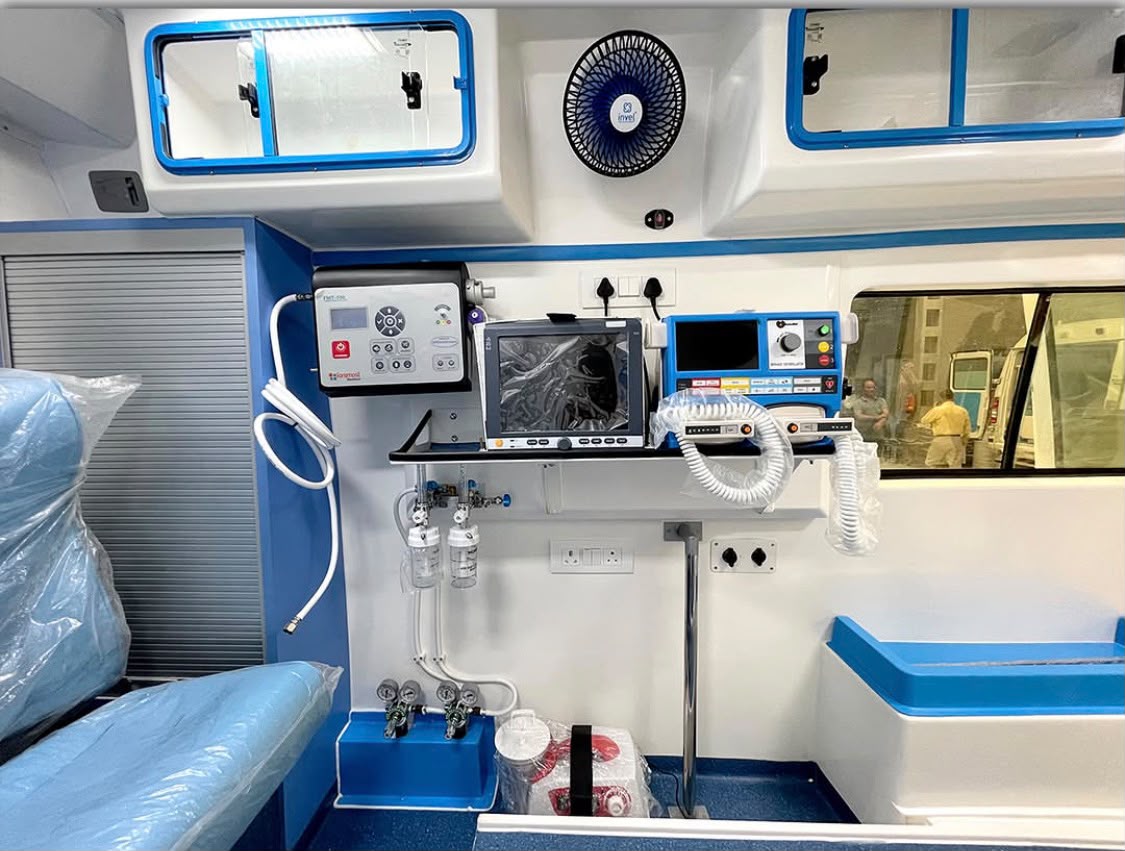
A professional ambulance can provide an appropriate stretcher, positioning support, and a controlled environment.
The medical team can also help reduce unnecessary movement and ensure the patient remains safely positioned.
For patients who require longer journeys, professional transportation can be particularly beneficial.
What Families Should Prepare
Before transportation, families should keep the following ready:
- Medical reports
- Current prescriptions
- Medicines
- Identification documents
- Doctor’s instructions
- Emergency contact information
It is also helpful to tell the ambulance provider about any specific medical or mobility requirements before the vehicle arrives.
Choosing the Right Ambulance Service
When arranging patient transportation, consider more than just the vehicle.
Important factors include:
- Ambulance type
- Medical equipment
- Trained staff
- Patient handling facilities
- Oxygen availability
- Response time
- Destination requirements
For emergency or medically supervised transportation, selecting the appropriate service can make the journey safer.
RESQ Ambulance provides ambulance service panchkula, ambulance service zirakpur, and professional patient transportation services for different medical requirements across the Tricity region.
When a Higher Level of Medical Support Is Needed
A medical escort is suitable only when the patient’s condition allows this level of transportation.
Patients with serious or unstable conditions may require specialized services such as:
- Basic Life Support ambulance
- Advanced Life Support ambulance
- ICU ambulance
- Ventilator ambulance
The appropriate ambulance should be selected according to the patient’s condition and the recommendation of their healthcare provider.
Benefits of Professional Medical Transportation
Choosing professional patient transportation can provide several advantages:
- Safer patient movement
- Trained assistance
- Better comfort
- Medical observation
- Appropriate equipment
- Reduced transportation stress
- Better coordination with healthcare facilities
For families, this can provide peace of mind knowing that the patient is being transported with appropriate support.
Frequently Asked Questions
What does a medical escort do?
A medical escort accompanies the patient during transportation and provides appropriate assistance based on the patient’s condition, mobility, and medical requirements.
Who should consider a medical escort?
Elderly, bedridden, post-surgery, mobility-limited, or medically vulnerable patients may benefit from a medical escort.
Can a medical escort travel with a patient between hospitals?
Yes. A medical escort can accompany patients during appropriate hospital-to-hospital transfers.
Is a medical escort the same as an ICU medical team?
No. Critically ill patients requiring intensive monitoring or life support need a specialized ICU or critical-care ambulance.
Should I tell the ambulance provider about the patient’s condition?
Yes. Providing accurate information helps the provider arrange the appropriate ambulance, equipment, and medical personnel.
Conclusion
A medical escort can provide valuable assistance when patients need additional support during transportation. From helping elderly and bedridden patients move safely to monitoring stable patients and assisting with hospital transfers, professional support can make the journey more comfortable and organized.
The most important step is to choose transportation according to the patient’s actual medical needs. When advanced support is required, a specialized ambulance should be arranged rather than relying on ordinary transportation.