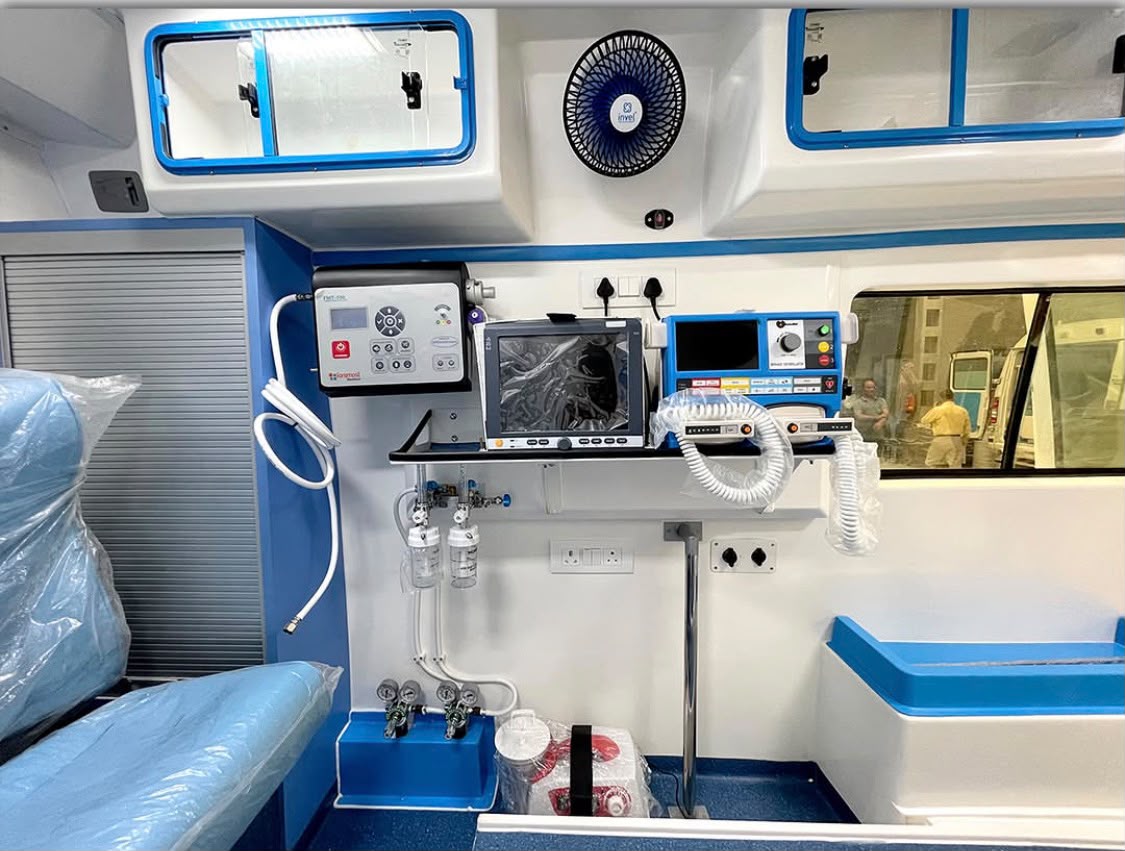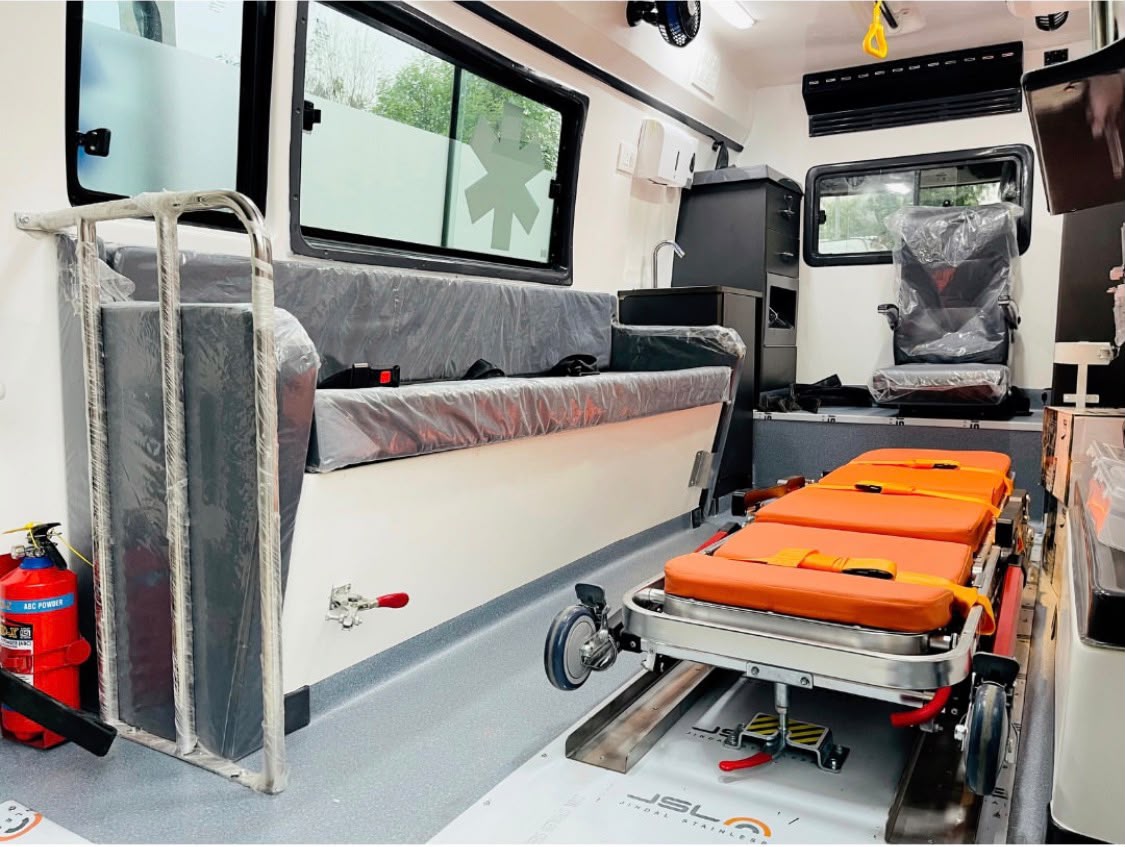


When an ambulance reaches a hospital, the journey is not complete the moment the vehicle stops. An important process takes place before the patient is fully transferred into the care of the hospital team. This process is known as patient handover.
During a handover, ambulance personnel transfer the patient to the receiving medical team and communicate important information about the patient’s condition, the events leading up to the journey, and any care provided during transportation.
A clear and organised handover helps hospital staff understand the situation and continue appropriate medical assessment and treatment. It also helps reduce confusion during the transition from ambulance care to hospital care.
For patients and families, understanding this process can make an emergency hospital transfer less stressful. It explains why ambulance personnel may spend a few additional minutes communicating with hospital staff after arrival.
What Is an Ambulance-to-Hospital Patient Handover?
A patient handover is the transfer of responsibility and relevant patient information from the ambulance team to the hospital’s receiving medical staff.
The ambulance team may share details such as:
- The patient’s main symptoms or reason for transport
- When the problem started, if known
- Any important changes in the patient’s condition
- Observations made during transportation
- First aid or other assistance provided during the journey
- Relevant information shared by the patient or family
- Any known medical history or allergies provided to the team
The exact process depends on the patient’s condition, the ambulance service, and the receiving hospital’s procedures.
The purpose is simple: to help the hospital team understand what has happened so far and what may need attention next.
Why Is a Proper Patient Handover Important?
The transition between ambulance care and hospital care is an important stage of emergency transportation. Missing or unclear information can make it harder for the receiving team to understand the patient’s situation.
A proper handover supports continuity of care in several ways.
1. It Gives Doctors a Clearer Picture of the Situation
A patient may experience changes in their condition between the time an ambulance is called and the time they reach the hospital.
The ambulance team can explain what they observed during transportation. This information may help doctors understand how the patient’s condition has developed.
2. It Communicates Care Provided During Transportation
If the patient received assistance during the journey, the receiving team should be informed.
For example, the ambulance personnel may communicate whether oxygen support, basic first aid, patient positioning, or other measures were provided, depending on the patient’s needs and the ambulance configuration.
This helps the hospital team understand what has already taken place.
3. It Reduces Information Gaps
During an emergency, family members may be worried and may not remember every detail. A structured handover helps communicate the information collected by the ambulance team.
It does not replace the hospital’s own assessment, but it provides useful context.
4. It Supports a More Organised Transfer
A patient may need to be moved from the ambulance stretcher to a hospital bed or another appropriate surface.
The transfer should be coordinated according to the patient’s condition and the hospital’s procedures. Proper coordination can help avoid unnecessary movement and confusion.
What Information Is Usually Shared During Handover?
The information shared depends on the emergency and what is known at the time of arrival.
Some common details include:
Patient identification: Available details that help hospital staff identify the patient correctly.
Reason for transport: The main complaint, injury, or medical concern that led to the ambulance call.
Timeline: When symptoms or the incident began, if this information is available.
Condition during the journey: Any important observations or changes noticed by the ambulance team.
Assistance provided: Details of first aid, oxygen support, or other care provided during transportation, where applicable.
Relevant background: Known medical conditions, medication information, allergies, or other details provided by the patient or family.
Families can help by sharing accurate information and bringing relevant medical documents when available. However, they should not delay an emergency transfer to search for paperwork.
What Happens When the Ambulance Reaches the Hospital?
Although procedures vary between hospitals, the handover process generally includes several stages.
Step 1: Arrival and Coordination
The ambulance reaches the hospital and the team coordinates with the appropriate receiving staff.
The destination department may depend on the patient’s symptoms, condition, and the hospital’s emergency procedures.
Step 2: Initial Communication
Ambulance personnel communicate the reason for transport and the important details collected during the journey.
If the patient’s condition changed on the way, this information is particularly relevant.
Step 3: Patient Transfer
The patient is moved from the ambulance to the hospital’s designated area or equipment.
The method of transfer depends on the patient’s mobility, injuries, medical needs, and the receiving team’s instructions.
Step 4: Sharing Relevant Information
The ambulance team provides the available patient information and explains any assistance given during transportation.
Family members may also be asked to share medical history, medication details, or other relevant information.
Step 5: Transfer of Responsibility
Once the receiving team has accepted the patient according to the hospital’s procedures, responsibility for ongoing hospital care moves to that team.
The ambulance crew may then complete any required documentation and prepare for its next assignment.
How Families Can Help During the Handover
Family members can support the process by sharing clear and accurate information.
A few practical steps can help:
- Explain what happened before the ambulance was called.
- Mention when the symptoms or injury first appeared, if known.
- Inform the medical team about known allergies.
- Share information about existing medical conditions.
- Provide a list or details of current medications, if available.
- Hand over relevant medical reports when readily accessible.
- Mention any important changes noticed during the journey.
Try to keep the information factual and concise. If you do not know an answer, it is better to say so rather than guess.
If the patient is conscious and able to communicate, the medical team may also ask the patient questions directly.
Does Every Patient Require the Same Handover Process?
No. The handover depends on the patient’s condition and the type of transportation involved.
A patient travelling for a planned hospital appointment may require a simpler transfer than someone experiencing a serious medical emergency.
Similarly, a patient requiring specialised support during transportation may need more detailed communication between the ambulance personnel and the receiving hospital team.
For example, transfers involving critical-care support may require information about the patient’s condition and the support provided during the journey. The exact requirements depend on the clinical situation and the services available.
Why Communication Matters During Hospital Transfers
Good communication is important throughout an ambulance journey, not only when the vehicle reaches the hospital.
When arranging an ambulance, families should provide accurate information about the patient’s condition, mobility, destination, and any known support requirements.
This can help the service understand the transportation needs and coordinate the journey appropriately.
For patients travelling to major medical facilities, planning the destination and sharing relevant information can also help avoid confusion on arrival.
Families arranging transportation may find it useful to learn about an ambulance service near PGI Chandigarh or an ambulance service near GMCH Sector 32 Chandigarh, depending on the patient’s intended destination and transport requirements.
Choosing an Ambulance Service That Values Communication
A reliable ambulance service should take communication seriously at every stage of transportation.
When arranging an ambulance, consider asking:
- What patient information should be shared before the vehicle arrives?
- Can the service accommodate the patient’s mobility and support requirements?
- What type of ambulance is appropriate for the patient’s condition?
- Can the destination hospital be confirmed before departure?
- What information will be communicated to the receiving team?
The right choice depends on the patient’s medical needs. A basic transport arrangement may be suitable for some journeys, while others may require a higher level of support.
Patients and families looking for zirakpur ambulance assistance, a kharar ambulance, or ambulance chandigarh services should explain the situation clearly when making an enquiry.
Similarly, people arranging ambulance mohali or ambulance service panchkula transportation should confirm the destination and any special requirements before the journey begins.
Frequently Asked Questions
1. What is patient handover in an ambulance?
Patient handover is the process of transferring the patient and relevant information from ambulance personnel to the receiving hospital team.
2. Why does the ambulance team communicate with hospital staff after arrival?
The communication helps hospital staff understand the patient’s condition, the reason for transportation, any changes during the journey, and the assistance provided.
3. Can family members participate in the handover?
Yes. Family members can share useful information about the patient’s medical history, allergies, medication, symptoms, and the events leading up to the ambulance call.
4. Does the ambulance team provide medical reports to the hospital?
The documentation and information shared depend on the ambulance service’s procedures and the type of transport. Families can ask the service what records are available.
5. Is the handover process different for ICU ambulance transfers?
It can be. Patients requiring critical-care transportation may need more detailed communication about their condition and the support provided during the journey. The process depends on the patient’s needs and the teams involved.
6. Should families carry medical documents during an emergency transfer?
If documents are readily available, they can be useful. However, searching for reports or paperwork should never delay an urgent ambulance transfer.
Conclusion
An ambulance journey involves more than transporting a patient from one location to another. The transfer of information and responsibility when the ambulance reaches the hospital is also an important part of the process.
A clear patient handover helps the receiving team understand the patient’s condition, the events during transportation, and the assistance already provided. Families can contribute by sharing accurate information and cooperating with the ambulance and hospital teams.
RESQ Ambulance provides patient transportation support for different travel requirements. If you need to arrange an ambulance, share the patient’s condition, pickup location, destination, and any special support requirements when calling.