
A hospital transfer can be stressful for both patients and their families. Whether a patient is being moved to another hospital for specialized treatment, transferred to a higher-level facility, or taken home after treatment, transportation needs to be planned carefully.
For patients with medical conditions, traveling in an ordinary car may not always be appropriate. They may require a stretcher, oxygen, medical monitoring, or assistance from trained professionals during the journey.
A professional ambulance can provide the right environment for medical transportation while helping families avoid unnecessary risks.
Why Hospital Transfers Require Planning
A hospital transfer involves more than simply moving a patient from one location to another.
Before transportation, families and healthcare teams may need to consider:
- The patient’s current medical condition
- Required medical equipment
- Oxygen requirements
- Mobility limitations
- Distance between hospitals
- Medical records
- Destination hospital arrangements
Proper planning helps reduce delays and ensures that the patient receives suitable support throughout the journey.
If you are searching for ambulance service in Chandigarh, RESQ Ambulance provides patient transportation for hospital transfers, emergency situations, and other medical requirements.
Understand the Patient’s Condition
The first step is understanding how stable the patient is.
A patient who is medically stable may require basic transportation and monitoring, while a critically ill patient may need advanced life-support equipment.
The ambulance provider should be informed about:
- Diagnosis
- Recent surgery
- Current symptoms
- Medication
- Oxygen requirement
- Ventilator requirement
- Mobility limitations
- Existing medical conditions
Providing accurate information helps the ambulance team prepare for the transfer.
Choose the Correct Ambulance
Different patients require different levels of medical support.
Depending on the condition, transportation may involve:
- Basic Life Support ambulance
- Oxygen ambulance
- Advanced Life Support ambulance
- ICU ambulance
- Ventilator ambulance
A stable patient may not need intensive-care transportation, while someone requiring continuous critical care should not be transported in a basic vehicle.
If you’re looking for an ambulance number in Chandigarh, make sure the ambulance you choose matches the patient’s medical requirements rather than choosing one based solely on price.
Keep Medical Records Ready
Medical documents should travel with the patient during a hospital transfer.
Important documents may include:
- Discharge summary
- Doctor’s referral
- Prescription
- Blood test reports
- Imaging reports
- Previous treatment records
- Medication list
- Identification documents
These records allow the receiving medical team to understand the patient’s history and continue treatment appropriately.
Coordinate With the Receiving Hospital
Before leaving the current hospital, confirm that the destination hospital is prepared to receive the patient.
This may involve confirming:
- Hospital admission
- Bed availability
- Department or ward
- Doctor or specialist
- Required medical equipment
- Estimated arrival time
Good coordination can reduce unnecessary waiting after the ambulance reaches its destination.
Prepare Oxygen-Dependent Patients
Some patients require oxygen continuously and should not have their oxygen supply interrupted during transportation.
Before departure, inform the ambulance provider about the patient’s oxygen requirement.
The ambulance team can then arrange suitable oxygen equipment and ensure the patient receives appropriate support during the journey.
For families arranging medical transportation, ambulance service in mohali can be particularly useful when a patient needs supervised travel rather than transportation in a private vehicle.
Use Proper Patient Handling
Patients who are weak, injured, bedridden, or recovering from surgery may be at risk of injury during movement.
Professional ambulance teams can use:
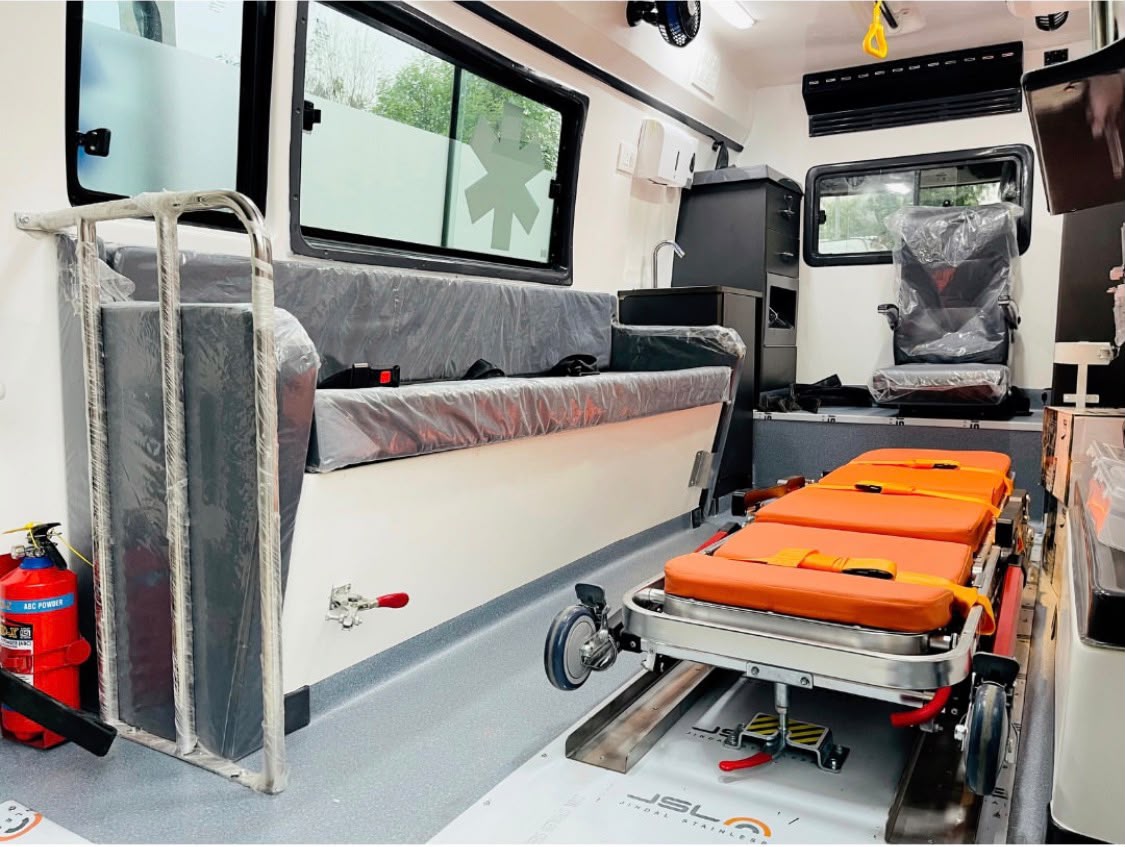
- Stretchers
- Wheelchairs
- Patient transfer equipment
- Safety straps
- Appropriate lifting techniques
The goal is to minimize unnecessary movement and keep the patient comfortable and secure.
Special Care for Elderly Patients
Older adults can have difficulty sitting for extended periods or entering and leaving ordinary vehicles.
They may also have mobility problems or multiple medical conditions.
Professional patient transportation can help elderly patients travel safely while receiving appropriate assistance.
For example, a patient returning home after hospitalization may need stretcher transportation even if their medical condition is stable.
Hospital Transfers for Critically Ill Patients
Critically ill patients require additional preparation.
Patients receiving intensive care may need:
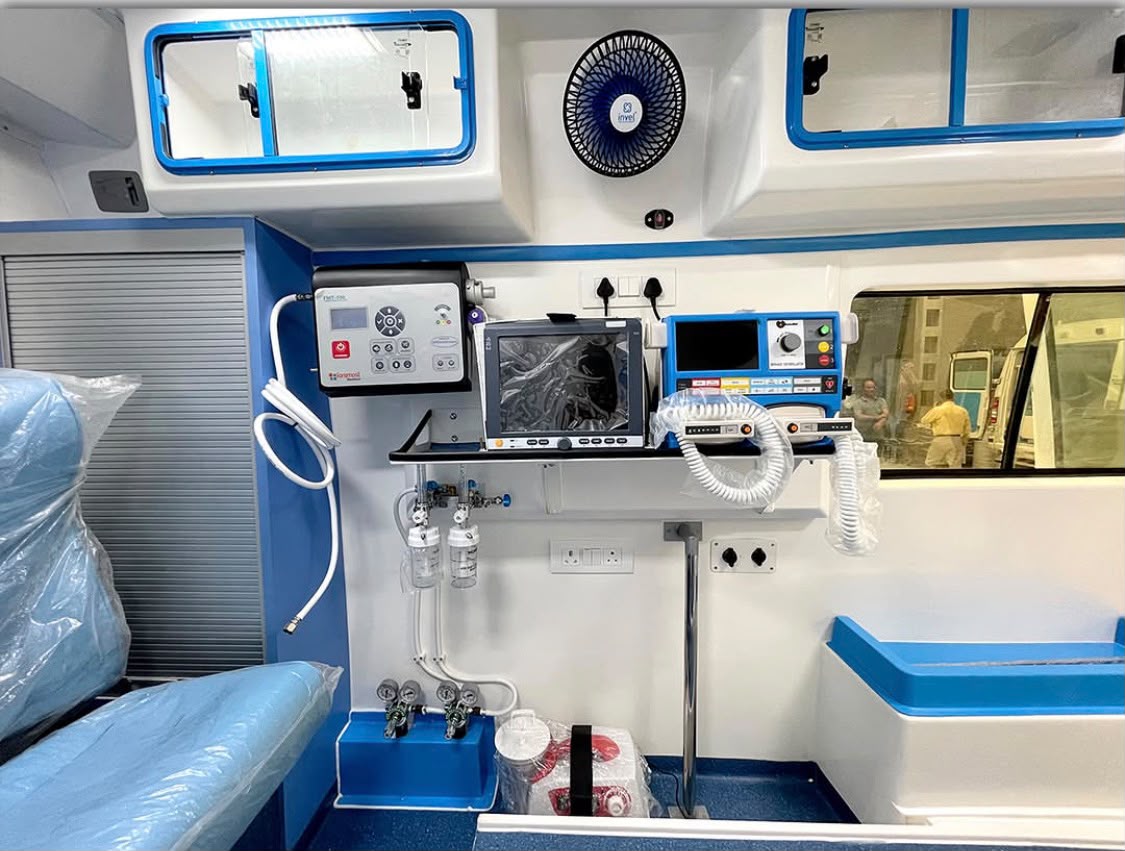
- Continuous monitoring
- Oxygen therapy
- Ventilator support
- Cardiac monitoring
- Infusion pumps
- Emergency medicines
An ICU ambulance can provide an appropriate environment for these transfers.
The medical team should communicate the patient’s condition and treatment requirements to the ambulance provider before transportation begins.
Transfers Near Major Hospitals
Hospital transfers around major healthcare facilities can sometimes require quick coordination between the sending and receiving hospitals.
For patients who need transportation to or from PGI, families can arrange an ambulance service PGI Chandigarh through RESQ Ambulance.
What Families Should Carry
Families should keep essential items together before the ambulance arrives.
These may include:
- Patient’s medicines
- Medical records
- Identification documents
- Doctor’s prescriptions
- Personal belongings
- Emergency contact details
- Insurance information
Avoid carrying unnecessary items that may make patient handling more difficult.
Keep the Patient Comfortable
Comfort becomes especially important during longer transfers.
Depending on the patient’s condition, the ambulance team can help with:
- Proper positioning
- Stretcher adjustment
- Temperature control
- Oxygen support
- Safe movement
Family members should inform the medical team if the patient experiences discomfort during the journey.
For patients traveling over longer distances, professional medical transportation can provide greater reassurance than ordinary road travel.
Avoid Unnecessary Delays
Once the ambulance arrives, unnecessary delays should be avoided.
Preparing documents, medicines, and personal belongings beforehand can make the transfer more efficient.
If the patient is being transferred between hospitals, the family should also ensure that the receiving hospital has been contacted.
What Information Should Be Shared With the Ambulance Provider?
When booking an ambulance, provide clear information about:
- Patient’s age
- Medical condition
- Pickup location
- Destination
- Consciousness level
- Breathing condition
- Oxygen requirements
- Mobility
- Stretcher requirements
- Ventilator requirements
The more accurate the information, the easier it is for the ambulance provider to arrange suitable medical transportation.
Why Professional Ambulance Transportation Is Safer
A professional ambulance provides facilities that ordinary transportation cannot offer.
Depending on the ambulance type, these may include:
- Medical monitoring
- Oxygen support
- Emergency equipment
- Trained medical staff
- Stretcher transportation
- Safe patient handling
- Critical-care support
This can be especially important when a patient’s condition could change during transportation.
What to Do Before the Ambulance Arrives
Families can make the process easier by:
- Preparing all medical documents.
- Keeping medicines ready.
- Confirming the receiving hospital.
- Informing the ambulance provider about the patient’s condition.
- Clearing the pathway for stretcher movement.
- Keeping an attendant available to assist with information.
- Avoiding unnecessary movement of the patient.
These simple steps can make the transfer more organized.
How to Make Long-Distance Transfers Easier
For long-distance transfers, additional planning may be required.
Consider:
- Travel duration
- Oxygen requirements
- Medical monitoring
- Restroom or comfort requirements
- Weather conditions
- Required medications
- Destination arrangements
Patients with significant medical needs should have suitable medical support throughout the journey.
When Should You Ask for Medical Advice?
If you are unsure which ambulance is appropriate, contact the patient’s doctor or discuss the condition with the ambulance provider.
This is particularly important when the patient:
- Requires oxygen
- Has unstable vital signs
- Is dependent on a ventilator
- Has recently undergone major surgery
- Has serious breathing difficulties
- Requires continuous monitoring
The ambulance should match the patient’s medical requirements.
Frequently Asked Questions
What is a hospital transfer ambulance?
A hospital transfer ambulance transports patients safely from one healthcare facility to another while providing medical assistance appropriate to their condition.
Can bedridden patients be transferred between hospitals?
Yes. Ambulances equipped with stretchers and appropriate patient-handling equipment can transport bedridden patients safely.
Can patients receive oxygen during a hospital transfer?
Yes. Oxygen-supported ambulances can provide oxygen during transportation when medically required.
What documents should accompany the patient?
Medical reports, prescriptions, discharge summaries, referral letters, medication information, and identification documents should generally travel with the patient.
Does every hospital transfer require an ICU ambulance?
No. The required ambulance depends on the patient’s condition. Stable patients may require BLS transportation, while critically ill patients may require ICU or ventilator support.
Conclusion
Safe hospital transfers require proper planning, accurate medical information, appropriate ambulance selection, and coordination between healthcare facilities.
Families can help by preparing medical records, medicines, and personal items before transportation. They should also clearly communicate the patient’s medical requirements to the ambulance provider.
For patients who need medical supervision, oxygen, stretcher transportation, or advanced critical-care support, a professional ambulance provides a safer alternative to ordinary transportation.
RESQ Ambulance is available for emergency transportation, hospital transfers, patient discharge, and long-distance medical transportation across Zirakpur and the surrounding Tricity region.