
Medical emergencies often require immediate oxygen support before a patient reaches the hospital. Conditions such as asthma attacks, pneumonia, heart failure, chronic lung disease, severe infections, and respiratory distress can rapidly reduce oxygen levels in the body. In these situations, every minute matters, and proper oxygen therapy during transportation can significantly improve patient outcomes.
An oxygen ambulance is specially equipped to provide continuous oxygen support while transporting patients safely to the hospital. Along with trained medical professionals, these ambulances help stabilize patients and reduce the risk of complications during the journey.
In this article, we’ll explain why oxygen ambulances are essential, who needs them, and how they make emergency transportation safer.
What Is an Oxygen Ambulance?
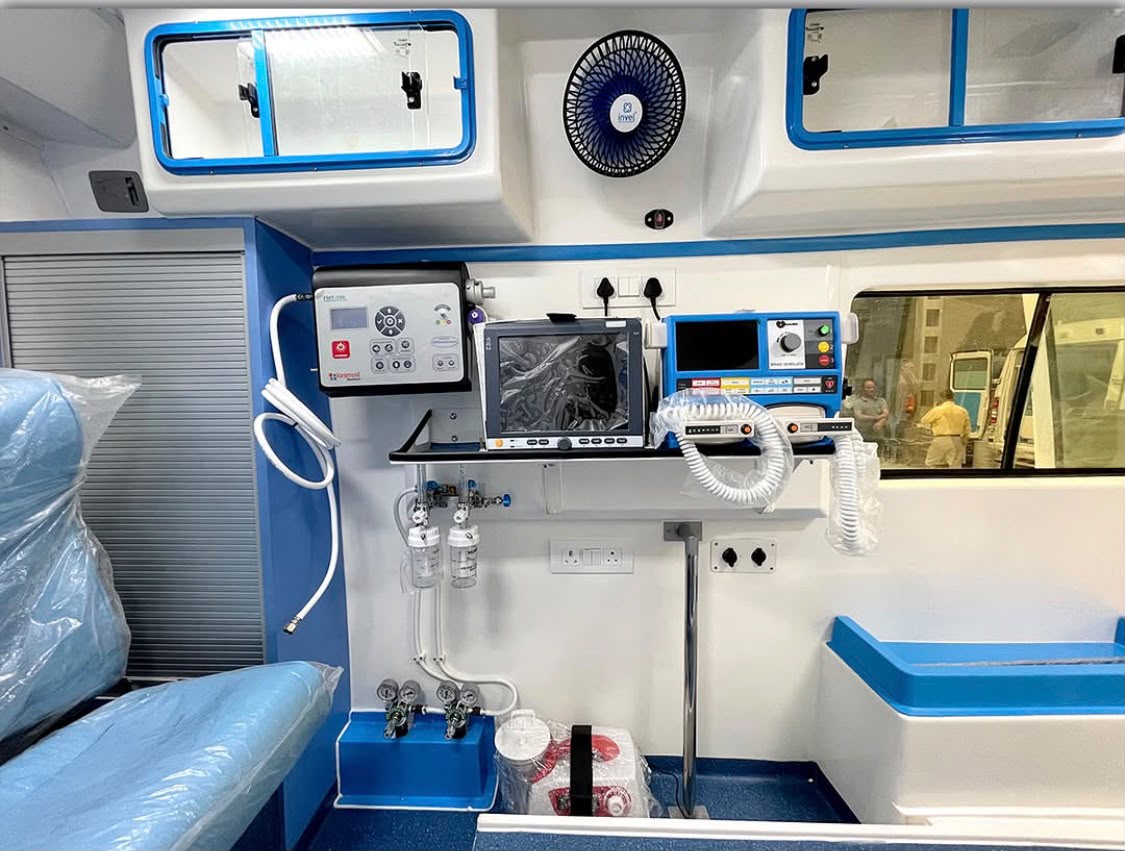
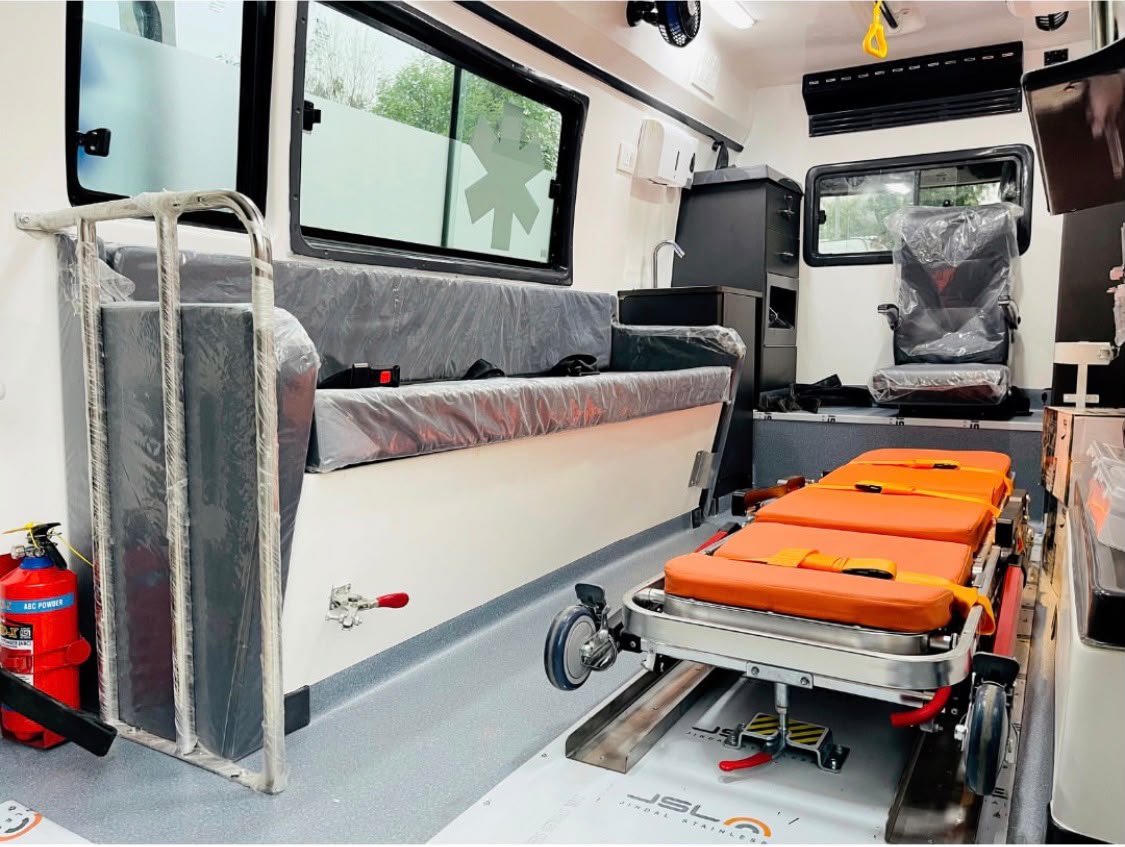
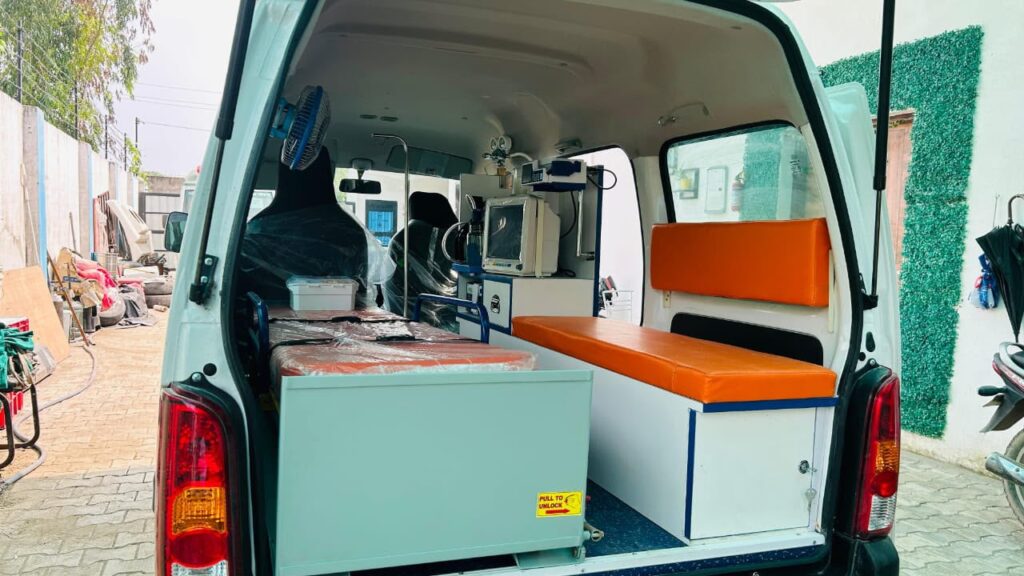
An oxygen ambulance is a medical transport vehicle equipped with oxygen cylinders, delivery systems, monitoring equipment, and emergency medical supplies.
Unlike a regular vehicle, it allows patients to receive oxygen therapy throughout transportation under the supervision of trained paramedics.
This is especially important for patients who cannot maintain normal oxygen levels on their own.
If you need immediate medical transportation, RESQ Ambulance provides dependable ambulance number in zirakpur services with oxygen-equipped ambulances available 24×7.
Who Needs an Oxygen Ambulance?
Many medical conditions require oxygen support during transport.
These include:
- Asthma attacks
- COPD (Chronic Obstructive Pulmonary Disease)
- Pneumonia
- Lung infections
- Heart failure
- Severe allergic reactions
- COVID-related breathing complications
- Smoke inhalation
- Respiratory distress
- Elderly patients with low oxygen saturation
Continuous oxygen therapy helps maintain healthy oxygen levels until the patient reaches the hospital.
Why Oxygen Support Is So Important
Every organ in the human body depends on oxygen to function properly.
When oxygen levels fall, patients may experience:
- Shortness of breath
- Chest discomfort
- Confusion
- Blue lips or fingertips
- Rapid heartbeat
- Fatigue
- Loss of consciousness
Without timely treatment, prolonged oxygen deficiency can damage vital organs such as the brain and heart.
Providing oxygen during transportation helps reduce these risks.
Oxygen Ambulances Improve Patient Safety
An oxygen ambulance offers much more than oxygen cylinders.
Professional medical teams continuously monitor the patient’s condition and adjust oxygen delivery if needed.
They regularly check:
- Oxygen saturation
- Pulse rate
- Blood pressure
- Respiratory rate
- Consciousness level
Continuous monitoring ensures that any sudden changes are managed immediately.
Common Emergencies That Require Oxygen Support
Oxygen ambulances are frequently used during:
Heart Attack
Patients experiencing a heart attack may require oxygen to reduce strain on the heart and improve circulation.
Stroke
Some stroke patients require oxygen support while being transported to a specialized hospital.
Severe Asthma
Patients suffering from acute asthma attacks often struggle to breathe and may require immediate oxygen therapy.
Road Accidents
Trauma patients with chest injuries or breathing difficulties benefit from continuous oxygen support during transport.
Lung Diseases
Patients with COPD, pneumonia, or other respiratory illnesses often require oxygen throughout the journey.
Why Private Vehicles Are Not Safe
Many families attempt to transport patients in private vehicles during emergencies.
However, private cars cannot provide:
- Medical oxygen
- Patient monitoring
- Emergency treatment
- Trained medical staff
- Safe patient handling
If the patient’s condition suddenly worsens, there may be no immediate medical assistance available.
Professional ambulance services eliminate these risks.
Equipment Available in an Oxygen Ambulance
Modern oxygen ambulances are equipped with:
- Medical oxygen cylinders
- Oxygen masks
- Nasal cannulas
- Pulse oximeters
- Cardiac monitors
- Blood pressure monitors
- Stretchers
- Emergency medicines
- First-aid equipment
This allows treatment to begin immediately after the ambulance arrives.
If you’re looking for dependable ambulance service pgi chandigarh, RESQ Ambulance offers professional medical transportation with oxygen-equipped ambulances and experienced emergency staff.
Benefits of Choosing an Oxygen Ambulance
Using an oxygen ambulance offers several important advantages.
These include:
- Continuous oxygen therapy
- Professional medical supervision
- Safer transportation
- Faster emergency response
- Reduced health risks
- Better patient comfort
- Immediate medical intervention if needed
These benefits are especially valuable during critical medical emergencies.
Hospital-to-Hospital Transfers
Oxygen ambulances are also widely used for inter-hospital transfers.
Patients requiring continued oxygen support can be safely transported between hospitals without interrupting treatment.
This is particularly useful for patients moving to specialized medical centers for advanced care.
Elderly Patients Often Require Oxygen Support
Older adults frequently suffer from heart disease, respiratory illnesses, and reduced lung function.
During transportation, oxygen support helps:
- Improve breathing
- Reduce fatigue
- Maintain oxygen saturation
- Increase comfort
Professional ambulance staff carefully monitor elderly patients throughout the journey.
When Should You Call an Oxygen Ambulance?
Call an oxygen ambulance if the patient has:
- Severe breathing difficulty
- Oxygen saturation below normal levels
- Chest pain with breathing problems
- Chronic lung disease
- Respiratory infection
- Severe asthma attack
- Difficulty breathing after an accident
Early medical transportation reduces the risk of complications.
RESQ Ambulance also provides reliable ambulance service in mohali, trusted ambulance service in panchkula, and prompt ambulance number in kharar for emergency patient transportation throughout the Tricity region.
Frequently Asked Questions
What is an oxygen ambulance?
An oxygen ambulance is a specially equipped ambulance that provides continuous oxygen therapy and medical monitoring while transporting patients.
Who should use an oxygen ambulance?
Patients with breathing difficulties, lung diseases, heart conditions, severe infections, or low oxygen levels should use an oxygen ambulance.
Is oxygen available throughout the journey?
Yes. Professional oxygen ambulances carry medical oxygen and are designed to provide uninterrupted oxygen support during transport.
Can trained paramedics monitor the patient?
Yes. Experienced paramedics continuously monitor vital signs and provide emergency medical care if required.
Is an oxygen ambulance suitable for elderly patients?
Yes. It is one of the safest transportation options for elderly patients who require oxygen support or continuous monitoring.
Conclusion
An oxygen ambulance is an essential part of modern emergency healthcare. It provides life-saving oxygen therapy, continuous patient monitoring, and professional medical care while transporting patients safely to the hospital.
Whether the emergency involves respiratory illness, heart disease, trauma, or critical care transfers, choosing an oxygen-equipped ambulance ensures patients receive timely medical attention from trained professionals throughout the journey.